Photo Booth Machine: Complete 2026 Buyer's Guide
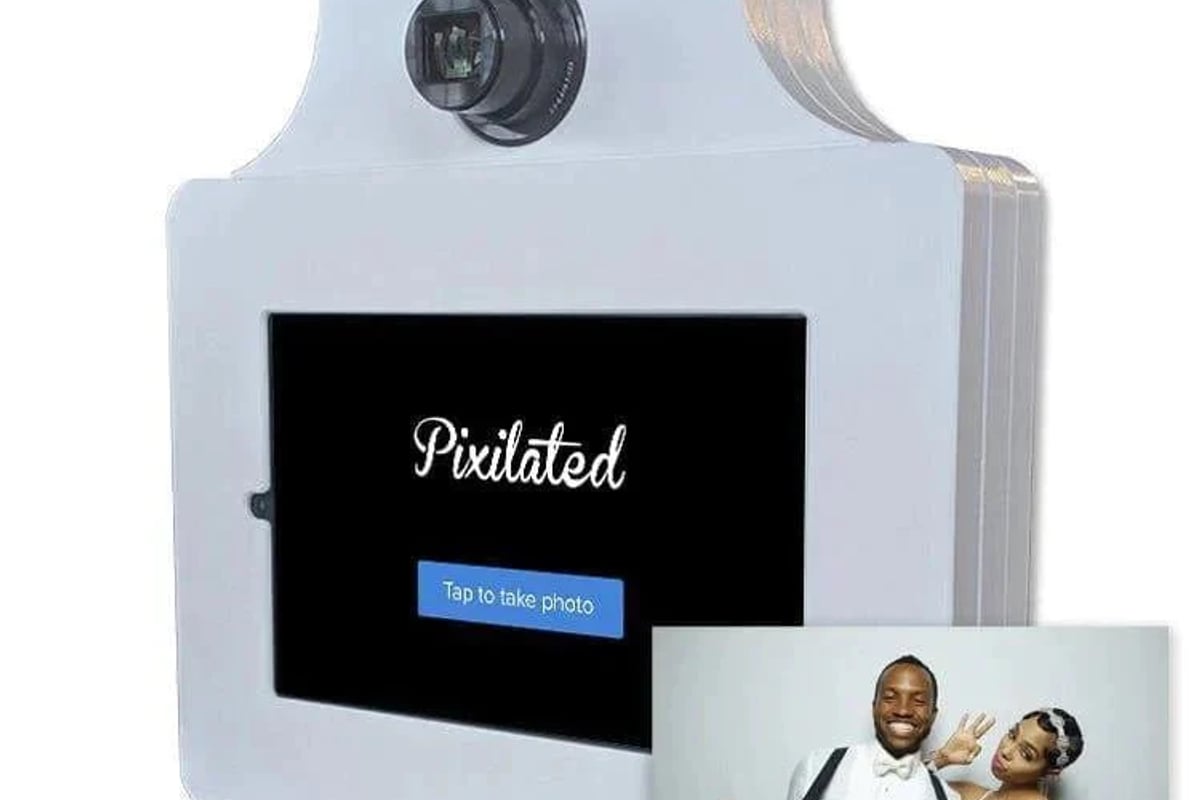
Pixilated Photo BoothThe photo booth machine has transformed from a nostalgic carnival attraction into a sophisticated event technology platform. Today's equipment delivers professional-grade photography, instant social sharing, and customizable brand experiences that make every celebration more engaging. Whether you're planning a corporate event, wedding, or private celebration, understanding what makes modern photo booth technology tick can help you make informed decisions about rental, purchase, or business investment opportunities.
Understanding Modern Photo Booth Technology
A photo booth machine today represents far more than a simple camera enclosed in a box. These systems integrate high-resolution cameras, professional lighting, touchscreen interfaces, and cloud-based software to create seamless photo experiences. The global photo booth market continues to expand as businesses and individuals recognize the value of interactive photo experiences that generate both memories and social media content.
Core Components of Professional Equipment
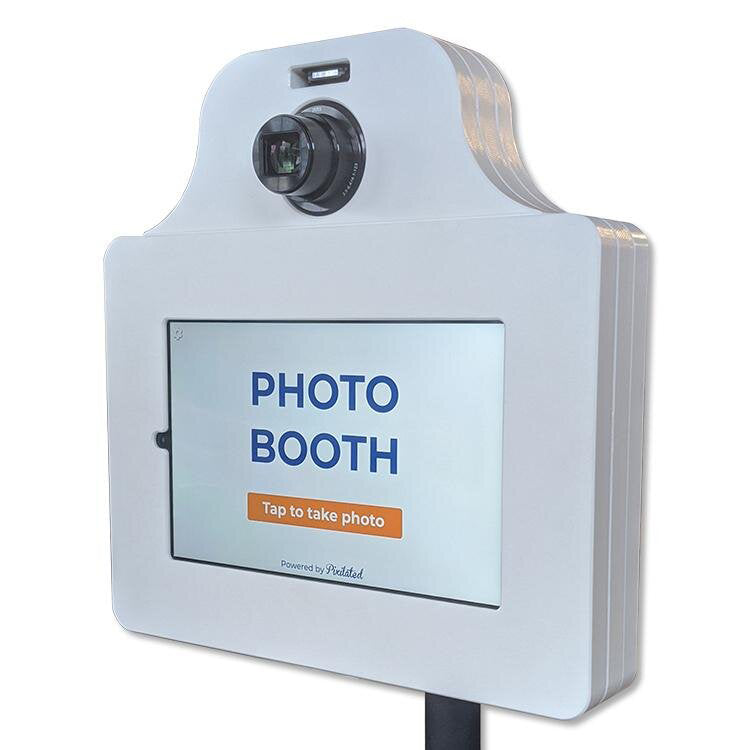
Every quality photo booth machine includes several essential elements that work together to deliver consistent results:
- DSLR or mirrorless camera systems with professional-grade lenses
- LED lighting arrays calibrated for flattering, even illumination
- Touchscreen interface running specialized photo booth software
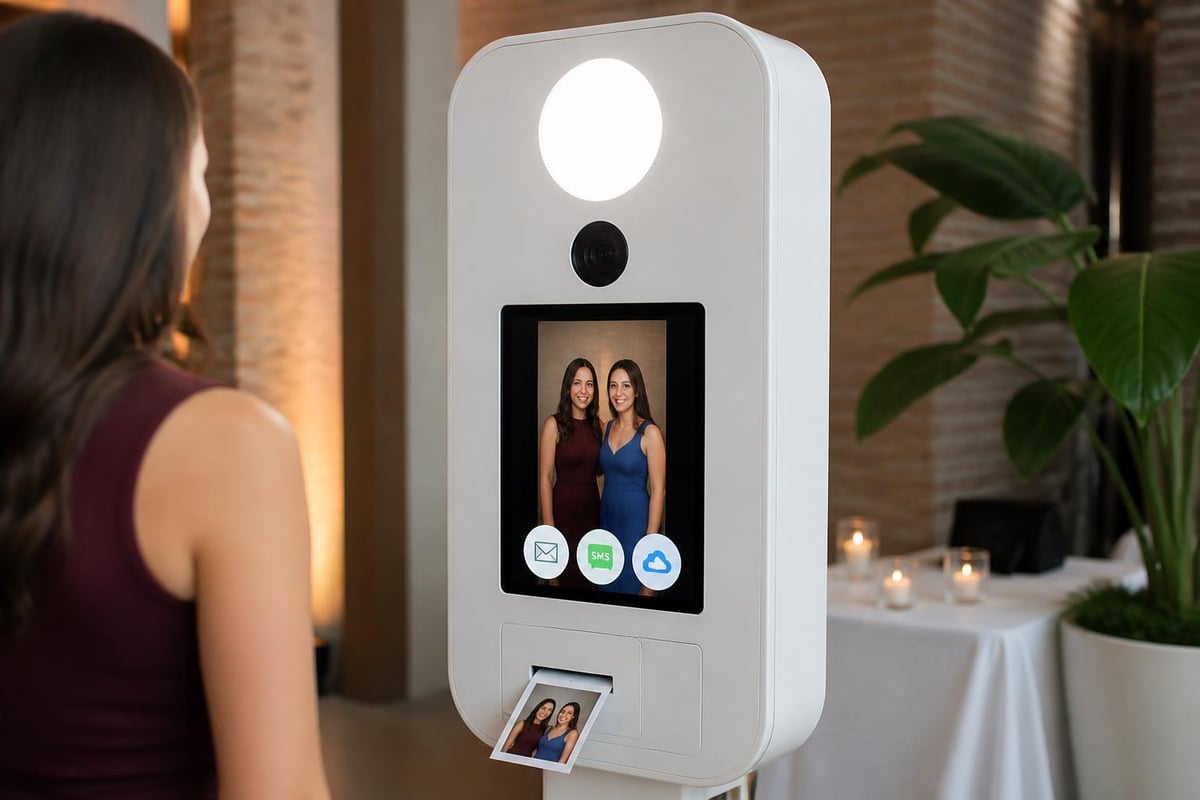
- Instant sharing capabilities via email, SMS, and social media
- Dye-sublimation or inkjet printer for physical output
- Backdrop system or green screen technology
The software ecosystem driving these machines has evolved dramatically. Modern platforms offer real-time filters, augmented reality overlays, GIF creation, boomerang videos, and 360-degree captures that keep guests engaged throughout events.
Types of Photo Booth Machines Available
The marketplace offers several distinct categories, each designed for specific use cases and venue requirements.
| Type | Best For | Key Features | Price Range |
|---|---|---|---|
| Enclosed Booth | Traditional events, privacy | Classic design, seated experience | $3,000-$8,000 |
| Open-Air Kiosk | High-traffic events, branding | Compact footprint, customizable | $2,500-$6,000 |
| Mirror Booth | Upscale events, engagement | Interactive touchscreen mirror | $4,000-$10,000 |
| 360 Platform | Premium experiences, viral content | Rotating camera arm, video output | $8,000-$20,000 |
Each configuration serves different audience expectations. Understanding photo booth rental costs helps clarify which type delivers the best value for specific event needs.
Business Applications and ROI Potential
The photo booth machine has become a strategic asset for businesses across multiple industries. According to recent profitability data, photo booth ventures continue demonstrating strong returns when positioned correctly in target markets.
Corporate Event Integration
Companies leverage photo booth technology for:
Trade show lead generation through email capture at booths Employee engagement during holiday parties and team-building events Product launches with branded photo experiences Recruitment fairs creating memorable candidate touchpoints
The data collection capabilities integrated into modern machines transform them from entertainment into marketing tools. Event organizers capture contact information, social media handles, and engagement metrics that fuel post-event follow-up campaigns.
Wedding and Private Event Market
Weddings represent the largest single segment for photo booth rentals. Industry statistics show increasing adoption rates as couples seek interactive entertainment that doubles as guest favors. The immediate gratification of printed photos combined with digital sharing creates dual-value propositions.
Private celebrations-birthdays, anniversaries, graduations-benefit from photo booth machines by creating structured opportunities for group photos that might otherwise be missed. Professional lighting and instant prints elevate casual gatherings into documented occasions.
Key Features Driving 2026 Adoption
The latest trends shaping photo booth machine development reflect broader technological shifts and changing consumer expectations around event experiences.
Social Media Integration
Modern equipment prioritizes frictionless sharing. Guests expect to receive high-resolution images on their phones within seconds, enabling immediate posting to Instagram, Facebook, and TikTok. This instant gratification creates organic social proof as events unfold in real-time across platforms.
Advanced machines offer:
- QR code instant delivery to smartphones
- Custom hashtag integration for event aggregation
- Platform-specific formatting for optimal display
- Engagement analytics tracking shares and reach
Customization Capabilities
Brand activation and personalized experiences drive demand for extensive customization options. Photo booth machines now support digital overlays, custom frames, logo integration, and themed filters that align with event branding or personal aesthetics.
The ability to swap templates quickly makes single machines versatile across different event types. A setup serving a corporate conference in the morning can be reconfigured for a wedding reception that evening through simple software adjustments.

Data Analytics and Reporting
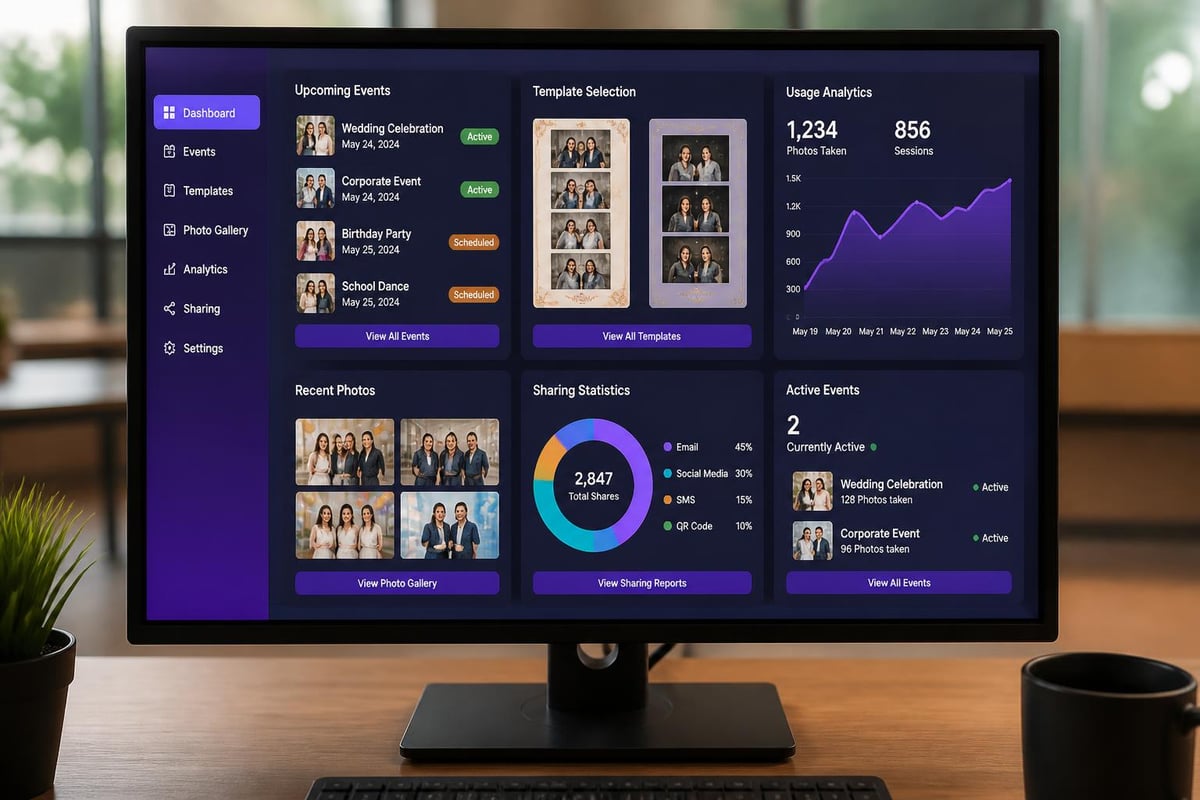
Premium photo booth machines include backend dashboards providing insights into usage patterns, peak activity times, most popular features, and demographic data when collected. Event planners use these metrics to optimize future experiences and demonstrate ROI to stakeholders.
Selection Criteria for Different Needs
Choosing the right photo booth machine requires balancing budget constraints against feature requirements and intended use frequency.
Rental Considerations
For one-time or occasional events, rental options eliminate upfront capital investment while providing access to current technology. Rental agreements typically include:
- Equipment delivery and pickup within specified timeframes
- Technical support during event hours
- Customization services for branding and templates
- Unlimited photo sessions throughout rental period
- Digital image galleries accessible post-event
When evaluating rental providers, verify equipment age and model specifications. Older machines may lack features like instant mobile sharing or high-resolution output that guests increasingly expect.
Purchase Decisions for Business Use
Entrepreneurs building photo booth businesses need equipment that withstands frequent transport and heavy use. Commercial-grade machines justify higher initial costs through:
- Durable construction surviving repeated setup and teardown
- Reliable components minimizing maintenance downtime
- Expandable software supporting feature upgrades
- Strong manufacturer support and warranty coverage
The decision between purchasing and renting depends heavily on projected usage frequency. Businesses booking three or more events monthly typically achieve payback within 12-18 months through ownership versus continuous rentals.
Technical Specifications That Matter
Not all photo booth machines deliver equivalent performance. Understanding technical details helps separate marketing claims from actual capability.
Camera and Image Quality
Resolution standards have risen dramatically as smartphones set new baselines for acceptable photo quality. Professional photo booth machines should feature:
- Minimum 20-megapixel sensors for detailed prints
- Fast autofocus systems handling groups of varying sizes
- Low-light performance maintaining quality in dim venues
- RAW capture capability for post-processing flexibility
Cheap consumer cameras produce noticeably inferior results compared to proper DSLR or mirrorless systems. The camera represents the core investment in any photo booth machine-compromising here compromises the entire user experience.
Printing Technology and Speed
Photo output quality directly impacts guest satisfaction. Two primary printing technologies dominate:
| Technology | Advantages | Disadvantages | Cost Per Print |
|---|---|---|---|
| Dye Sublimation | Professional quality, water/fade resistant | Higher equipment cost, slower speed | $0.50-$0.75 |
| Inkjet | Faster printing, lower hardware cost | Less durable, potential smudging | $0.30-$0.50 |
Print speed matters significantly during high-traffic events. Machines producing 4x6 prints in under 10 seconds maintain guest flow better than slower alternatives that create bottlenecks.
Software Ecosystem and Updates
The operating system powering a photo booth machine determines long-term viability. Cloud-based platforms offer distinct advantages:
Automatic feature updates without manual intervention Remote troubleshooting reducing on-site technical issues Template libraries providing fresh design options Multi-device management for businesses running multiple booths
Proprietary closed systems risk obsolescence if manufacturers discontinue support. Open-platform solutions built on standard operating systems provide greater longevity and flexibility.
Setup and Operational Requirements
Successfully deploying a photo booth machine requires more than simply turning on equipment. Proper planning ensures smooth operation throughout events.
Space and Power Needs
Typical booth footprints range from 10x10 feet for enclosed models to 8x8 feet for open-air kiosks. Additional considerations include:
- Access to standard 110V electrical outlets within 15 feet
- Level flooring preventing equipment tipping
- Adequate clearance for guest queuing
- Protection from weather for outdoor events
Venues without reliable power access may require generator support. Some rental providers offer Wi-Fi hotspot solutions for outdoor locations lacking internet connectivity necessary for instant sharing features.
Staffing Versus Self-Service
Modern photo booth machines offer varying autonomy levels. Fully automated systems allow completely self-service operation with intuitive touchscreen guidance. This DIY approach reduces labor costs while empowering guests to control their experience.
Attended setups provide on-site assistance troubleshooting issues and encouraging participation. The staffing decision balances budget against event complexity and expected guest technical proficiency.
Transportation and Logistics
Equipment portability significantly impacts operational efficiency. Modular designs breaking down into cases weighing under 50 pounds each facilitate single-person setup versus bulkier alternatives requiring teams. When comparing options, evaluate:
- Total weight and case count
- Setup time from arrival to operational
- Teardown and packing duration
- Vehicle size required for transport
- Fragility and shipping damage risk
Businesses operating rental models benefit from equipment designed specifically for frequent shipping and handling rather than permanent installation systems.
Maintenance and Longevity Factors
Photo booth machines represent significant investments requiring proper care to maximize lifespan and maintain performance standards.
Routine Maintenance Schedules
Regular upkeep prevents costly repairs and ensures consistent output quality:
- Weekly camera sensor cleaning removing dust affecting image sharpness
- Monthly printer head maintenance preventing clogs and color shifts
- Quarterly software updates adding features and security patches
- Annual professional servicing addressing wear on mechanical components
Neglecting maintenance accelerates depreciation and risks equipment failure during paid events-a catastrophic scenario for rental businesses depending on reliability.
Common Issues and Solutions
Understanding frequent problems helps operators respond quickly when issues arise:
Connectivity failures often resolve through router resets or switching wireless channels Print quality degradation typically indicates depleted ink supplies or dirty printer heads Touchscreen responsiveness may require recalibration or cleaning of screen surfaces Camera focus problems could signal dirty lenses or incorrect autofocus settings
Maintaining backup equipment provides insurance against unexpected failures at critical moments. Professional operators typically keep spare printers, tablets, and cameras readily available.
Market Trends Shaping Future Development
The photo booth industry continues evolving rapidly as new technologies become commercially viable and consumer preferences shift. Current developments demonstrate how the sector adapts to changing event landscapes.
Artificial Intelligence Integration
Machine learning algorithms now power:
- Automatic photo enhancement adjusting exposure and color
- Background removal enabling virtual backdrop replacement
- Facial recognition organizing photos by attendee
- Predictive analytics optimizing equipment positioning
These AI capabilities reduce manual adjustment requirements while improving output consistency across varying lighting conditions and guest skin tones.
Augmented Reality Experiences
AR filters and effects represent the fastest-growing feature category. Guests increasingly expect the same Snapchat-style capabilities available on smartphones integrated into professional photo booth experiences. Advanced implementations include:
3D object placement adding virtual props to scenes Face tracking effects applying makeup, accessories, or transformations Motion-triggered animations responding to guest movements Brand mascot integration positioning company characters alongside guests
The historical significance of photobooths demonstrates remarkable staying power across technological generations, suggesting AR-enhanced versions will coexist with traditional formats rather than replacing them entirely.
Sustainability Initiatives
Environmental consciousness drives demand for eco-friendly photo booth operations:
- Digital-only options eliminating paper waste
- Recycled paper stocks for printed output
- Energy-efficient LED lighting reducing power consumption
- Carbon offset programs for shipping and operations
Companies positioning themselves as sustainable alternatives capture market share among environmentally conscious clients, particularly corporate customers with ESG commitments.
Cost Analysis and Investment Returns
Understanding total ownership costs versus rental economics helps stakeholders make financially sound decisions around photo booth machine acquisition.
Purchase Investment Breakdown
| Component | Budget Range | Mid-Range | Premium |
|---|---|---|---|
| Camera System | $300-$800 | $1,200-$2,000 | $2,500-$4,000 |
| Lighting Kit | $150-$400 | $500-$800 | $1,000-$1,500 |
| Printer | $400-$800 | $1,000-$1,800 | $2,000-$3,500 |
| Enclosure/Kiosk | $500-$1,500 | $2,000-$4,000 | $5,000-$8,000 |
| Software License | $200-$500/year | $600-$1,200/year | $1,500-$3,000/year |
| Total Initial | $1,550-$4,000 | $5,300-$9,800 | $12,000-$20,000 |
Operating costs including printer supplies, backdrops, props, and transportation add $50-$150 per event depending on session volume and output quantities.
Revenue Potential for Rental Businesses
According to comprehensive industry data, photo booth rental rates vary significantly by region and event type:
Corporate events: $800-$2,000 for 4-hour sessions Weddings: $600-$1,500 for 4-6 hour packages Private parties: $400-$800 for 3-4 hour rentals Hourly rates: $150-$300 per hour for shorter bookings
Operators booking 10-15 events monthly generate gross revenues between $8,000-$22,500. After accounting for equipment costs, supplies, transportation, and marketing, successful businesses achieve 40-60% profit margins.
Maximizing Guest Engagement and Experience
The technical specifications of a photo booth machine matter less than the experiences it creates. Optimizing guest interaction separates memorable events from forgettable ones.
Strategic Placement and Promotion
Location dramatically impacts usage rates. High-traffic areas near bars, restrooms, or main entrances capture more participants than isolated corners. Visual cues like sample prints, signage, and staff encouragement during slow periods maintain steady engagement.
Creating scarcity through limited-time special effects or exclusive prints during specific hours drives urgency and increases overall participation throughout events.
Props and Physical Elements
Digital effects complement rather than replace physical props. Guests enjoy tangible items-hats, glasses, signs, feather boas-that add playful elements to photos. Quality props justify higher rental rates and differentiate services in competitive markets.
Seasonal rotations keep prop collections fresh for repeat clients while allowing rental businesses to charge premium rates for themed packages around holidays and special occasions.
Post-Event Follow-Up
The photo booth experience extends beyond events themselves. Automated email galleries, social media albums, and thank-you messages maintain engagement while providing marketing opportunities. Collecting feedback through post-event surveys improves service quality and generates testimonials supporting future sales efforts.
Operators who consistently deliver these follow-through elements build stronger reputations and earn more referrals than competitors treating booths as purely transactional services.
The photo booth machine has evolved from simple novelty into sophisticated event technology delivering measurable value for businesses, event planners, and private celebrations. Understanding equipment capabilities, operational requirements, and market dynamics positions you to make informed decisions whether renting for single events or building comprehensive business operations. Pixilated Photo Booth delivers professional-grade, DIY photo booth rental solutions that eliminate complexity while maintaining the quality and features today's events demand, shipping complete kits directly to your location nationwide.