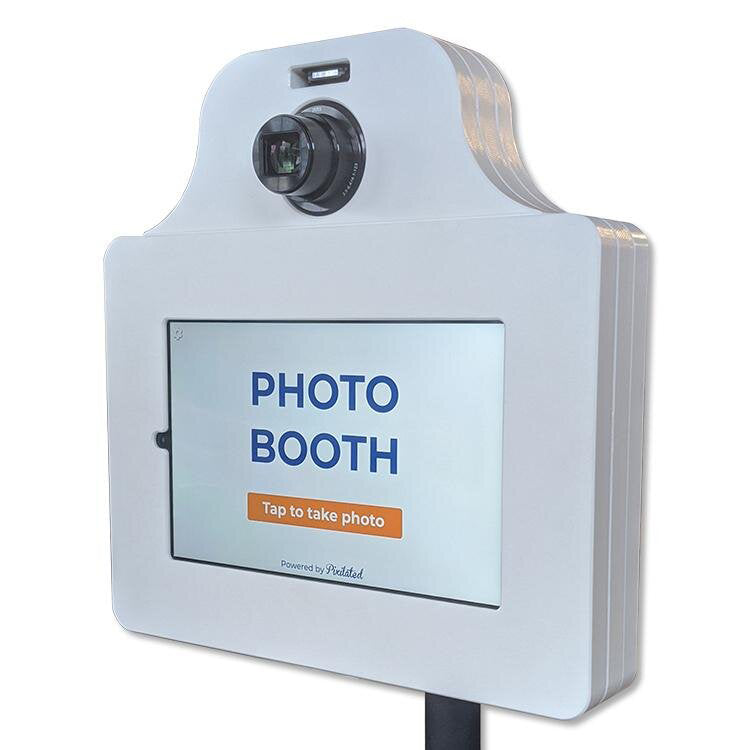
Selfie Stations: Transform Events Into Shareable Moments
Pixilated Photo BoothModern events demand interactive experiences that guests can capture and share instantly. Selfie stations have emerged as essential entertainment elements that combine photography, technology, and social media connectivity into seamless self-service experiences. Unlike traditional photo booths requiring attendants, these DIY setups empower guests to create professional-quality images independently while brands and hosts maintain complete creative control over the visual output.
Understanding Selfie Station Technology
Selfie stations represent a significant evolution in event photography, merging intuitive touchscreen interfaces with professional camera equipment. These systems eliminate the guesswork from self-directed photography by providing optimal lighting, camera angles, and instant previews before final capture.
The technology behind modern selfie stations integrates several critical components. High-resolution cameras capture images with clarity that smartphones cannot match, while studio-quality lighting ensures consistent results regardless of venue conditions. Touchscreen controls guide users through the capture process, offering filters, overlays, and customization options that make each photo unique.
Hardware Components That Matter
Professional selfie stations balance portability with performance. The foundation includes:
- Camera systems with wide-angle lenses to accommodate group photos
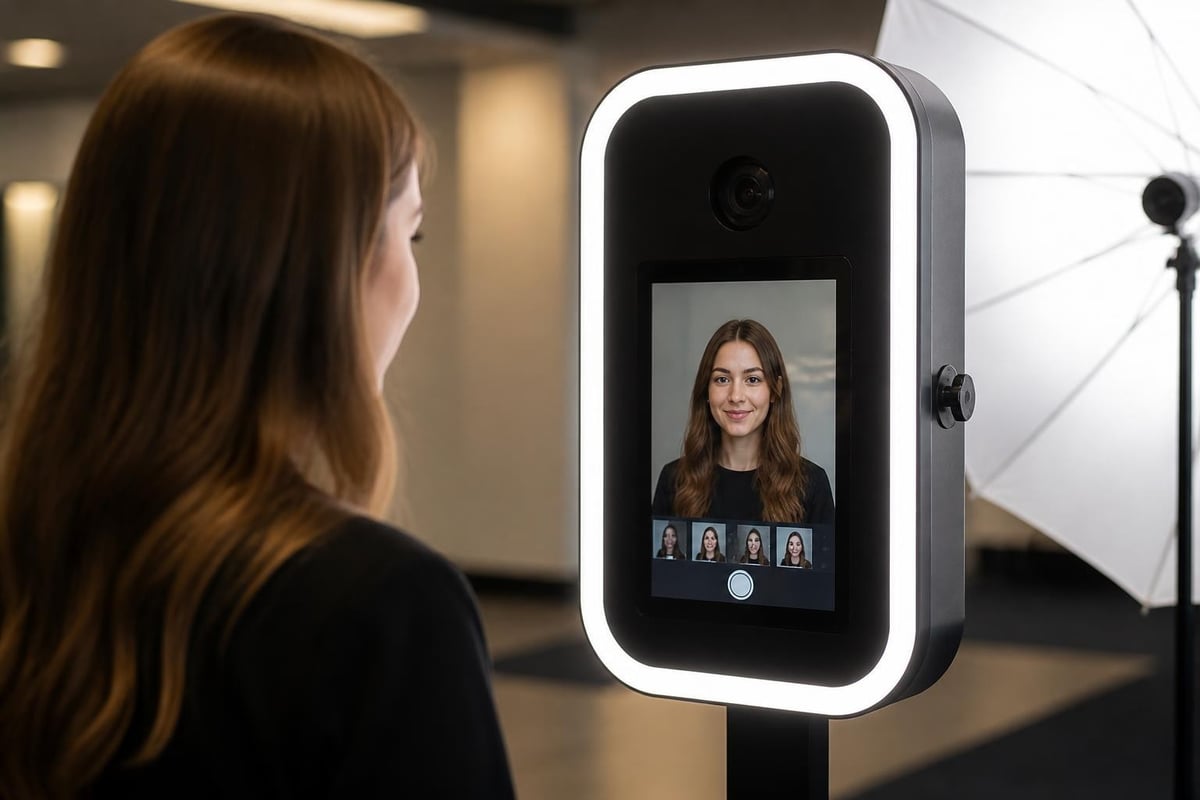
- Ring lights or softbox lighting for flattering illumination
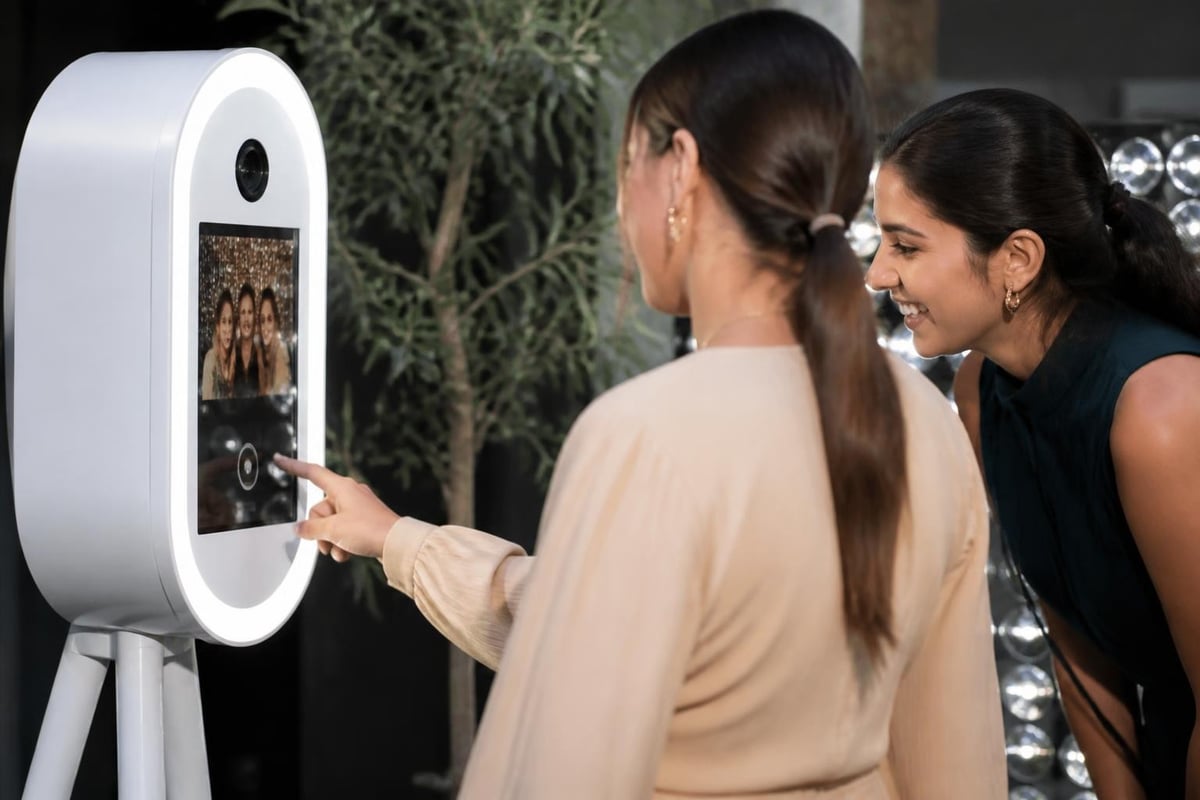
- Tablets or touchscreens sized between 10-15 inches for easy navigation
- Sturdy tripods or stands that maintain stability during high-traffic events
- Portable printers (optional) for instant physical keepsakes
Modern units often incorporate wireless connectivity, allowing images to transmit immediately to email, text message, or social media platforms. This instant delivery satisfies the immediate gratification that research on selfie-posting behaviors identifies as a primary motivation for photo capture at events.
Strategic Placement and Event Integration
Location determines whether a selfie station becomes a focal point or an overlooked amenity. Strategic placement considers traffic flow, lighting conditions, and backdrop visibility to maximize utilization and photo quality.
High-traffic zones near entrances, bars, or food stations naturally attract attention. However, these locations can create bottlenecks during peak event periods. Dedicated photo zones with clear signage and queue space prevent congestion while building anticipation as guests watch others participate.
Backdrop Selection and Branding Opportunities
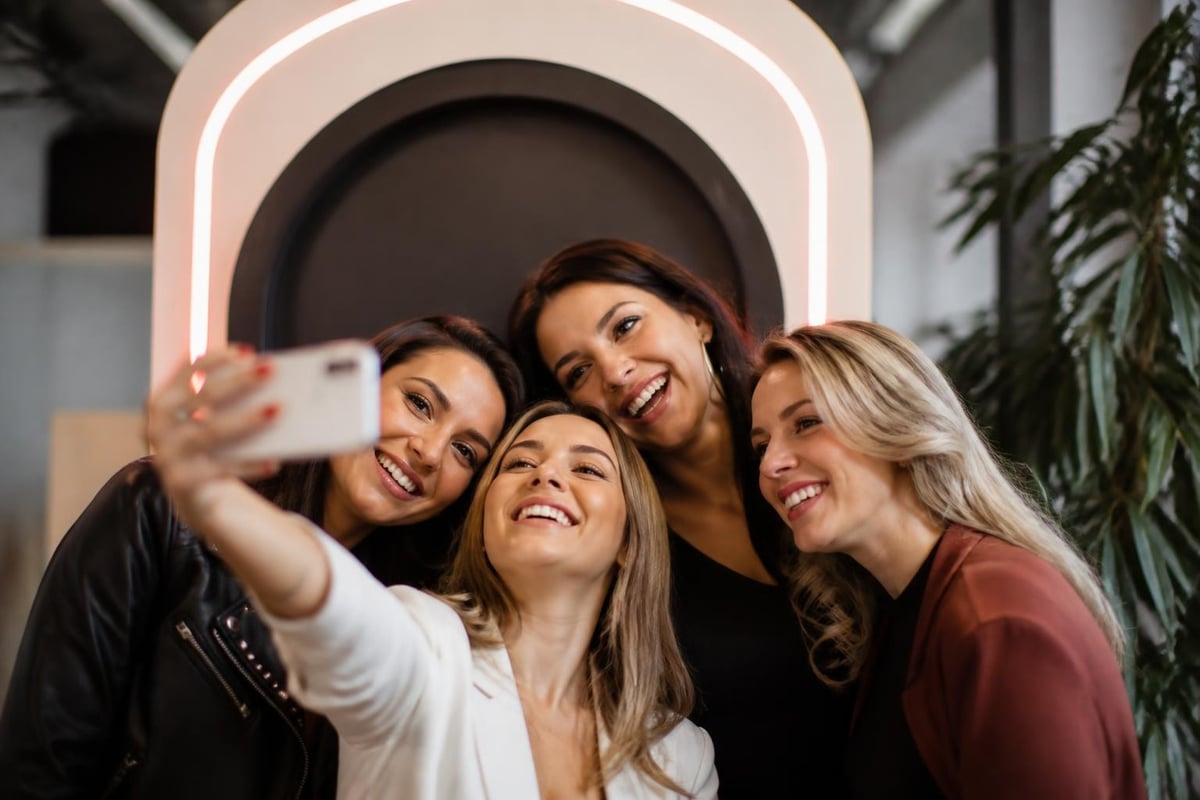
The backdrop transforms a simple photo into a branded marketing asset or memorable keepsake. Corporate events benefit from custom logo integration that turns every shared photo into brand exposure. Wedding celebrations use personalized designs featuring names, dates, and thematic elements that reinforce the event's aesthetic.
| Backdrop Type | Best For | Key Benefit |
|---|---|---|
| Step and Repeat | Corporate events, galas | Maximum brand visibility |
| Themed Scenery | Weddings, parties | Enhanced event atmosphere |
| Green Screen | Product launches, conferences | Unlimited virtual backgrounds |
| Minimalist | Professional gatherings | Timeless, versatile appeal |
Physical backdrops should measure at least 8 feet wide and 8 feet tall to accommodate group photos without showing edges. Material quality matters-wrinkle-free fabric or rigid panels maintain professional appearance throughout multi-hour events.
Maximizing Guest Engagement
Selfie stations thrive on spontaneity and ease of use. The best implementations require zero instruction, guiding guests through intuitive interfaces that feel familiar to anyone who has used a smartphone camera.
Visual prompts displayed on-screen reduce hesitation. Simple instructions like "Tap to Start," "Strike a Pose," and "Smile in 3... 2... 1..." create comfortable participation even for camera-shy attendees. The rise of selfies as a social media phenomenon demonstrates that when barriers to entry disappear, participation rates soar.
Interactive Features That Drive Participation
Modern selfie stations extend beyond basic photography:
- Animated GIF creation that captures 3-5 seconds of movement
- Boomerang-style loops that play forward and backward
- Filter libraries offering vintage, black-and-white, or artistic effects
- Digital props and overlays that appear on-screen
- Social media frames pre-formatted for Instagram, Facebook, or Twitter
Physical props remain popular despite digital alternatives. Quality prop collections encourage group participation and add playful elements that digital overlays cannot replicate. Oversized sunglasses, speech bubbles, and themed accessories break down social barriers and create shared experiences among guests who arrived as strangers.
Business Applications and ROI
Selfie stations deliver measurable value for businesses through data capture, brand amplification, and enhanced customer experiences. Corporate events transform from one-time gatherings into sustained marketing campaigns when attendees share branded photos across their social networks.
Lead generation represents a primary business objective. When configured correctly, selfie stations can collect email addresses, phone numbers, or social media handles in exchange for photo delivery. This opt-in data collection builds marketing lists with attendees already demonstrating interest in the brand or product.
Measuring Success Metrics
Organizations should track several key performance indicators:
- Total photos captured indicating overall engagement levels
- Share rates showing percentage of photos distributed via social media
- Reach and impressions measuring social media exposure
- Email capture rates for lead generation campaigns
- Booth revisit frequency demonstrating sustained interest
A well-executed corporate event photo booth strategy typically sees 70-85% of attendees participating, with share rates between 40-60% when social integration is streamlined. These metrics translate directly to brand impressions that would cost thousands through traditional advertising channels.
Technical Considerations and Troubleshooting
Reliable operation requires attention to technical details that guests never see but immediately notice when problems occur. Internet connectivity tops the list of potential failure points, particularly for stations that deliver photos via email or text message.
Connectivity Solutions
Venues with unreliable WiFi create frustration when photos cannot transmit immediately. Solutions include:
- Mobile hotspots providing dedicated bandwidth exclusively for the station
- Offline mode storing photos locally for delayed delivery
- Cellular-enabled tablets eliminating WiFi dependency entirely
- Pre-event testing confirming network strength and speed
For outdoor events or venues with questionable internet access, a WiFi hotspot rental ensures uninterrupted operation. These dedicated devices provide reliable connectivity regardless of venue infrastructure, preventing the disappointment of captured photos that never reach their intended recipients.
Power Management
Battery life becomes critical for events exceeding 4-6 hours. Professional stations incorporate:
- External battery packs extending operational time to 12+ hours
- AC power adapters for venues with accessible outlets
- Backup tablets or phones ready for immediate swap if batteries deplete
- Low-power mode settings that conserve energy between captures
Event planners should calculate power requirements based on expected photo volume. High-traffic events capturing 200-300 photos may drain batteries faster than intimate gatherings with 50-75 captures.
Customization and Personalization Options
Generic experiences disappear from memory within days. Customized selfie stations create distinctive moments that guests remember and share long after events conclude. Personalization spans visual branding, messaging, and functional elements tailored to specific audiences.
Overlay templates represent the most visible customization opportunity. Wedding couples incorporate monograms, ceremony dates, and romantic graphics. Corporate events feature company logos, event hashtags, and promotional messaging that transforms every photo into marketing collateral.
| Customization Element | Impact Level | Implementation Complexity |
|---|---|---|
| Logo overlay | High | Low |
| Custom background | High | Medium |
| Branded email templates | Medium | Low |
| Animated overlays | High | High |
| Custom user interface | Medium | High |
Professional selfie booth providers offer design services that match station output to existing brand guidelines or event themes. This attention to detail ensures visual consistency across all event touchpoints, from invitations and signage to photo outputs and social shares.
Filter Effects and Style Considerations
Filter selection dramatically influences photo aesthetics and guest satisfaction. The impact of selfie filters on recognition systems demonstrates how significantly these effects alter images, which carries implications for events where photo quality and authenticity matter.
Conservative corporate events typically limit filters to subtle enhancements-skin smoothing, slight color correction, and lighting adjustments that improve without distorting. Creative events embrace artistic filters, vintage effects, and dramatic transformations that prioritize fun over photographic accuracy.
Setup and Operation Best Practices
Successful selfie station deployment begins hours before the first guest arrives. Professional setup follows a systematic checklist that addresses technical functionality, aesthetic presentation, and contingency planning.
Pre-Event Preparation Checklist
Complete these steps 24-48 hours before the event:
- Test all equipment functionality including camera, touchscreen, and printer
- Charge batteries to 100% and pack backup power sources
- Load custom overlays, filters, and branding elements
- Configure email/SMS delivery settings and test transmissions
- Prepare physical props and arrange them attractively
- Create clear signage explaining how to use the station
- Brief event staff or volunteers on basic troubleshooting
Understanding photo booth rental basics helps first-time users avoid common pitfalls that compromise guest experiences. Simple oversights like forgetting to remove lens caps or failing to test lighting in venue conditions create entirely preventable problems.
On-Site Setup Timeline
Arrive with sufficient time to address unexpected challenges:
- 90 minutes before: Begin physical setup and equipment positioning
- 60 minutes before: Complete technical configuration and connectivity testing
- 45 minutes before: Arrange props and finalize backdrop presentation
- 30 minutes before: Capture test photos under actual lighting conditions
- 15 minutes before: Final review of all settings and guest pathways
Professional event planners recognize that rushed setup produces suboptimal results. Adequate preparation time ensures the station operates flawlessly from the moment guests arrive through the final hour of celebration.
Cost Analysis and Rental Considerations
Selfie stations span a wide price spectrum depending on features, customization, and rental duration. Understanding cost components helps event planners allocate budgets effectively while securing necessary functionality for their specific needs.
Basic packages starting around $300-500 typically include standard equipment, simple overlays, and digital delivery. Premium offerings reaching $1,000-2,000+ incorporate advanced features like green screens, professional lighting arrays, unlimited prints, and comprehensive customization.
Rental vs. Purchase Decision Factors
Organizations hosting frequent events face the rental-versus-purchase calculation:
Renting makes sense when:
- Hosting fewer than 6 events annually
- Requiring different equipment configurations for various event types
- Avoiding storage and maintenance responsibilities
- Wanting access to latest technology without capital investment
Purchasing makes sense when:
- Hosting monthly or weekly events
- Maintaining consistent branding across all deployments
- Building in-house event production capabilities
- Seeking long-term cost savings after initial investment
The Pixilated Photo Booth delivers professional-grade DIY solutions that bridge the rental-purchase gap, offering modern equipment shipped directly for events while maintaining the flexibility and cost advantages of rental models.
For events requiring specialized features or extended rental periods, additional day extensions provide cost-effective options compared to booking separate rentals for consecutive events. This flexibility particularly benefits multi-day conferences, weekend weddings, or festival environments where a single setup serves multiple sessions.
Privacy and Data Management
Selfie stations collect personal information ranging from email addresses to biometric facial data embedded in photographs. Responsible operators implement clear privacy policies and secure data handling practices that protect guest information while enabling desired functionality.
Consent and Disclosure Requirements
Transparent communication builds trust and ensures legal compliance:
- Visible signage explaining what data is collected and how it will be used
- Opt-in requirements for email capture and marketing communications
- Social sharing controls allowing guests to choose distribution methods
- Data retention policies specifying how long images and contact information remain stored
- Deletion requests providing mechanisms for post-event data removal
Event hosts should clarify data ownership before rental agreements are finalized. Some providers retain rights to captured images for promotional purposes unless specifically prohibited. Corporate clients particularly need explicit ownership guarantees to prevent unauthorized use of employee or customer likenesses.
Security Best Practices
Protecting collected data requires technical and procedural safeguards:
- Encrypted transmission for all email and text message delivery
- Secure storage with password protection and access controls
- Regular backups preventing data loss from equipment failure
- Limited retention periods automatically deleting old information
- Staff training on privacy requirements and proper handling procedures
Organizations operating in regulated industries must ensure selfie station data collection complies with applicable laws. Healthcare events, financial services gatherings, and government functions carry heightened privacy requirements that standard consumer-focused solutions may not address adequately.
Future Trends and Emerging Technologies
Selfie station evolution continues accelerating as new technologies emerge and guest expectations rise. Several innovations are reshaping what these systems offer and how events integrate them into broader experiential strategies.
Augmented reality overlays represent the most significant emerging capability. Rather than static graphics layered onto photos, AR systems detect faces and objects in real-time, applying dynamic effects that respond to movement and positioning. Virtual accessories follow head movements, animated characters interact with gestures, and branded elements integrate seamlessly into complex scenes.
AI-Powered Enhancements
Artificial intelligence brings sophisticated capabilities to selfie stations:
- Automatic photo curation selecting the best shots from multi-capture sequences
- Real-time retouching smoothing skin, whitening teeth, and adjusting lighting
- Background removal enabling green screen effects without physical backdrops
- Pose suggestions providing on-screen guidance for optimal composition
- Accessibility features including voice commands and gesture controls
These intelligent systems reduce the technical knowledge required to capture professional results. Guests achieve magazine-quality photos through intuitive interfaces that feel effortless despite the complex processing occurring behind the scenes.
Integration With Broader Event Technology
Modern selfie stations no longer operate in isolation. Integration with event management platforms creates cohesive experiences:
| Integration Type | Functionality | Event Application |
|---|---|---|
| Registration systems | Automatic guest identification | Personalized overlays with names |
| Social media walls | Live photo displays | Real-time event highlights |
| Lead scoring platforms | Engagement tracking | Sales follow-up prioritization |
| CRM systems | Automated contact import | Streamlined post-event marketing |
Corporate event planners increasingly view selfie stations as data collection touchpoints rather than mere entertainment amenities. This strategic perspective transforms photo capture into actionable business intelligence that informs marketing, sales, and customer relationship strategies.
Accessibility and Inclusive Design
Effective selfie stations accommodate diverse guests with varying physical abilities, technical comfort levels, and accessibility needs. Inclusive design ensures everyone can participate fully regardless of mobility, vision, or other limitations.
Height adjustability represents the most fundamental accessibility feature. Stations should accommodate both standing guests and wheelchair users through telescoping stands or adjustable mounting systems. Controls positioned between 36-48 inches from the floor remain accessible to the broadest range of users.
Universal Design Principles
Implementing accessibility features benefits all guests:
- Large touchscreen buttons (minimum 1 inch square) for easy target acquisition
- High-contrast interfaces supporting guests with visual impairments
- Audio instructions supplementing visual prompts
- Extended capture timers allowing additional positioning time
- Seated operation options through flexible camera mounting
Simple modifications create inclusive experiences without compromising aesthetic appeal or operational efficiency. Event hosts demonstrate organizational values through accessibility commitments that welcome participation from entire guest populations.
Industry Applications and Use Cases
Selfie stations adapt to virtually any industry or event type, with specific configurations optimizing different objectives and audiences. Understanding these varied applications helps organizations identify opportunities they might otherwise overlook.
Corporate Events and Trade Shows
Business applications prioritize lead capture and brand exposure. Conference selfie stations collect contact information while attendees wait for photos, building qualified prospect lists without pushy sales tactics. Trade show implementations draw booth traffic through eye-catching setups that create shareable moments tied to company branding.
Social Celebrations and Milestones
Weddings, anniversaries, and birthday parties emphasize memory creation over marketing objectives. These stations focus on aesthetic quality, personalized themes, and physical print options that provide immediate keepsakes. The wedding photo booth rental experience balances elegant design with entertaining functionality that keeps guests engaged throughout lengthy receptions.
Educational Institutions
Universities and schools deploy selfie stations for recruitment events, alumni gatherings, and campus celebrations. Student orientation programs use them to facilitate social connections among incoming classes while capturing contact information for ongoing communication. Graduation events create shareable milestone moments that alumni distribute across networks, extending institutional brand visibility.
Retail and Hospitality
Stores and venues integrate selfie stations into customer experiences, encouraging social media sharing that functions as organic marketing. Pop-up shops create Instagram-worthy moments that drive foot traffic, while restaurants use branded photo opportunities to increase check-ins and online reviews. Each shared photo extends marketing reach without paid advertising spend.
Selfie stations have evolved from novelty attractions to essential event elements that deliver measurable engagement, marketing value, and guest satisfaction. The technology continues advancing while core principles remain constant-intuitive operation, instant gratification, and shareable experiences that extend beyond the physical event. Whether you're planning corporate gatherings, social celebrations, or marketing activations, Pixilated Photo Booth provides professional DIY rental solutions that make it easy to create high-quality, shareable photo experiences without the cost or complexity of traditional staffed setups.