Photo Booth Photos: The Ultimate Guide for 2026
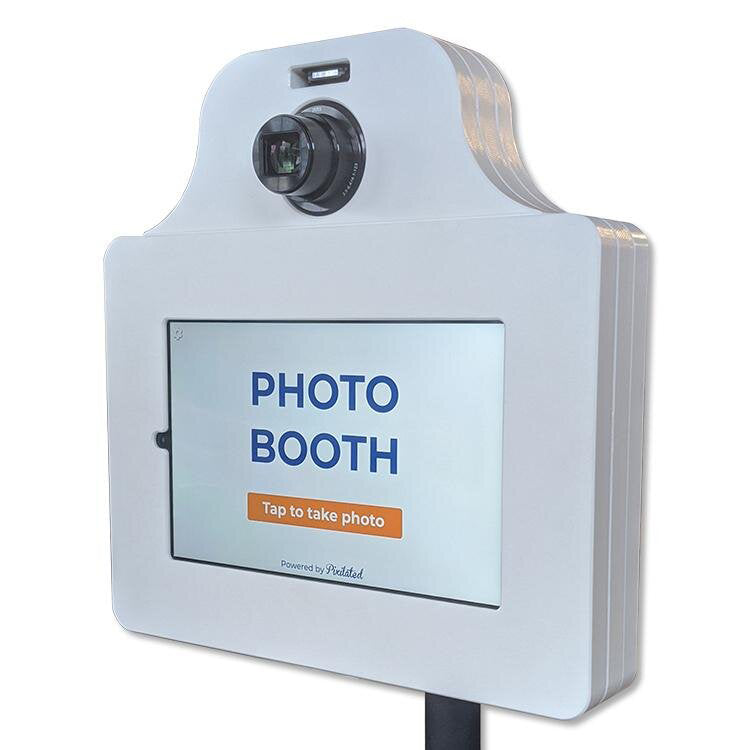
Pixilated Photo BoothPhoto booth photos have transformed from simple keepsakes into powerful social currency that defines modern celebrations and brand experiences. Whether you're hosting a wedding, corporate event, or birthday party, the quality and creativity of your photo booth photos can make or break the guest experience. These instant mementos combine nostalgia with cutting-edge technology, delivering shareable moments that extend far beyond the event itself. Understanding how to maximize the quality, engagement, and memorability of photo booth photos requires knowledge of equipment, setup techniques, and the creative elements that turn simple snapshots into treasured memories.
The Evolution and Modern Appeal of Photo Booth Photos
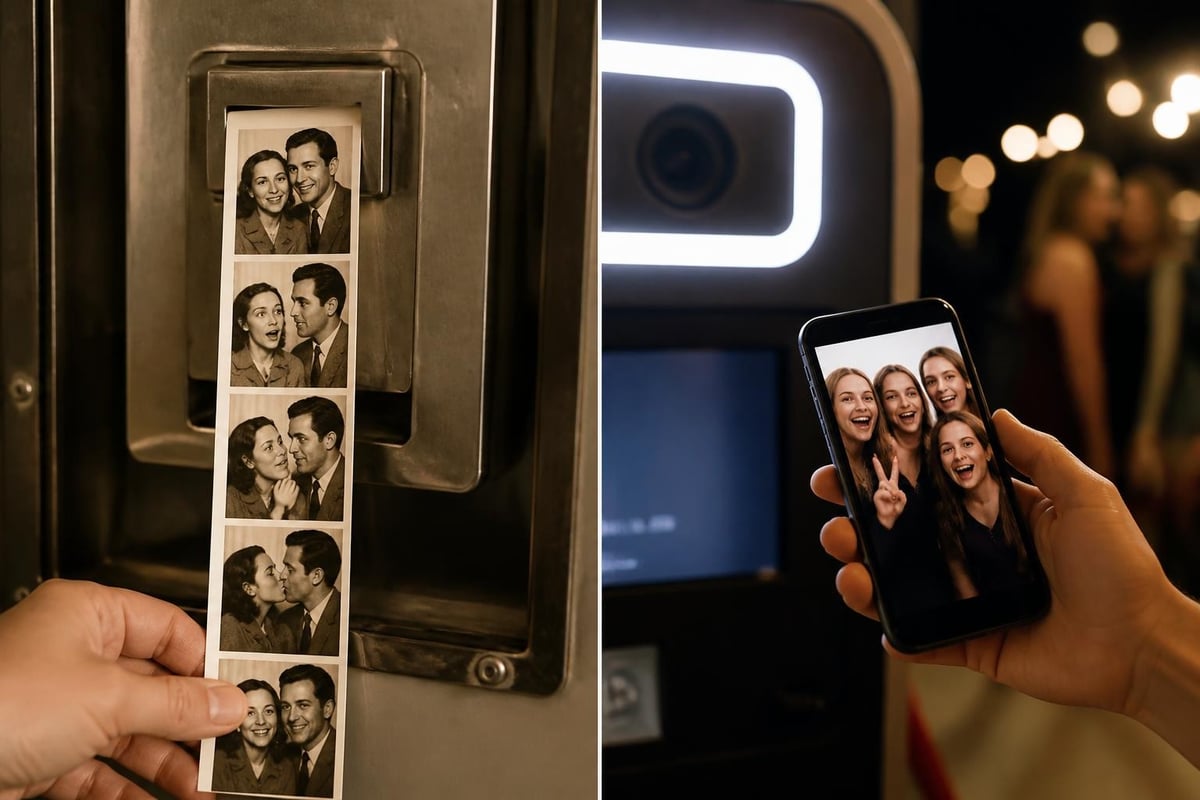
The history of photo booths stretches back to 1925, when Anatol Josepho invented the first automated photography machine in New York City. These early booths produced small, black-and-white strips that became instant collectibles. Today's photo booth photos maintain that same appeal while incorporating digital delivery, custom branding, and social media integration.
Modern photo booth experiences have evolved dramatically from their analog ancestors. Digital technology allows for instant sharing, unlimited retakes, and customization that wasn't possible with traditional chemical processing. Guests now expect immediate access to their photos via email, text message, or direct downloads.
The resurgence of photo booths, particularly among younger generations, demonstrates their enduring cultural relevance. These experiences offer a tangible counterpoint to everyday smartphone photography, creating deliberate moments of fun and creativity.
Why Photo Booth Photos Outperform Traditional Event Photography
Photo booth photos serve a different purpose than professional event photography. While photographers capture candid moments and formal portraits, photo booths create interactive experiences that guests actively participate in creating. This participation generates higher engagement and more authentic expressions.
Key advantages include:
- Instant gratification through immediate photo delivery
- Lower inhibitions leading to more playful, genuine expressions
- Unlimited takes encouraging experimentation and creativity
- Built-in sharing mechanisms that extend event reach
- Physical or digital keepsakes that outlast the event
The interactive nature of photo booth experiences also makes them ideal for corporate events, where brand activation and attendee engagement drive ROI. Companies can incorporate logos, custom messaging, and branded backdrops that transform each photo into a marketing asset.
Technical Foundations for High-Quality Photo Booth Photos
Camera settings and equipment choices directly impact the quality of photo booth photos. Understanding the technical fundamentals ensures consistent, professional results regardless of lighting conditions or venue challenges.
Essential Camera Settings and Equipment Specifications
Professional photo booth photos require careful attention to camera settings that balance sharpness, exposure, and consistency. The relationship between ISO, aperture, and shutter speed determines whether your photos appear crisp and well-lit or grainy and dark.
| Setting | Recommended Value | Purpose |
|---|---|---|
| ISO | 400-800 | Balances light sensitivity and grain |
| Aperture | f/5.6-f/8 | Ensures multiple subjects stay in focus |
| Shutter Speed | 1/125-1/200 | Freezes motion without blur |
| White Balance | Flash/Auto | Maintains accurate color temperature |
| Flash Power | TTL or Manual 1/2-1/4 | Provides consistent illumination |
These settings create the foundation for professional-quality results. According to photo booth camera configuration guides, using a dedicated external flash rather than on-camera flash dramatically improves photo quality by reducing harsh shadows and red-eye.
Lighting Techniques That Transform Photo Quality
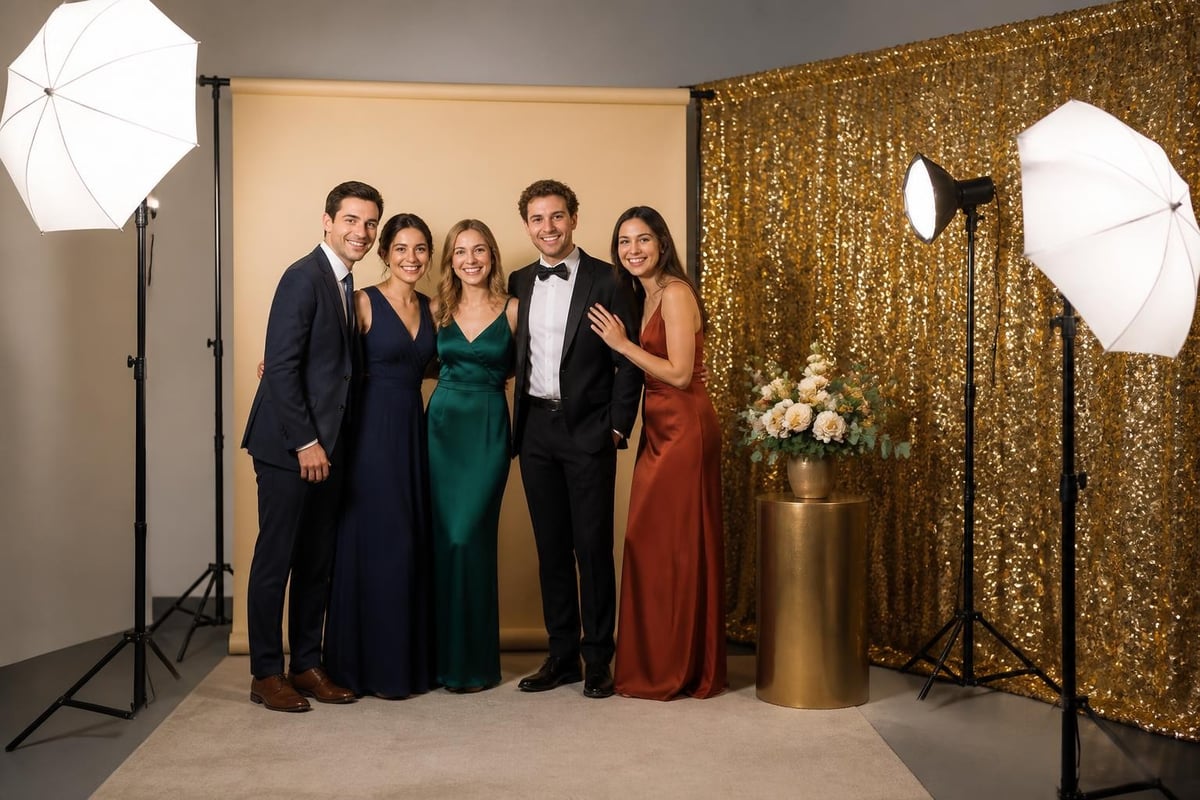
Proper lighting separates amateur photo booth photos from professional-grade results. Three-point lighting remains the gold standard, using a key light, fill light, and backlight to create dimensional, flattering illumination. However, simplified two-light setups often prove more practical for event environments.
External flash units positioned at 45-degree angles to the subject create soft, even illumination that minimizes harsh shadows. Diffusers or bounce umbrellas further soften the light, producing the flattering glow that makes guests look their best.
Ambient venue lighting presents unique challenges. Dark reception halls require more powerful flash output, while bright outdoor venues may need fill flash to combat harsh sunlight. Testing your setup before guests arrive ensures consistent quality throughout the event.
Creative Elements That Elevate Photo Booth Photos
Technical excellence provides the foundation, but creative elements transform competent photos into memorable experiences. Props, backdrops, and composition strategies determine whether guests engage briefly or return multiple times throughout an event.
Strategic Prop Selection and Curation
Props encourage playfulness and help guests overcome camera shyness. The most effective prop collections balance variety with cohesion, offering options that match the event theme while providing enough diversity to inspire creativity.
Wedding photo booth photos benefit from romantic props like vintage frames, speech bubbles with loving messages, and elegant accessories. Corporate events require branded props that reinforce company identity without appearing too commercial. Birthday celebrations can embrace whimsical, age-appropriate items that encourage silly expressions.
Quality matters as much as variety. Flimsy, poorly constructed props photograph badly and break easily under heavy use. Durable materials and thoughtful design ensure props remain photogenic throughout multi-hour events. Consider these categories when building your collection:
- Handheld signs: Speech bubbles, hashtags, event-specific messaging
- Wearable accessories: Hats, glasses, boas, crowns, masks
- Thematic items: Season-specific, holiday-related, or event-appropriate pieces
- Interactive elements: Frames, mustaches on sticks, emoji cutouts
Backdrop Strategies for Different Event Types
Backdrops provide the visual foundation for photo booth photos, establishing mood and reinforcing branding. The backdrop choice influences everything from lighting requirements to photo composition possibilities. Simple, solid-color backdrops offer versatility and timeless appeal, while themed options create immediate visual impact.
Sequin backdrops remain popular for weddings due to their glamorous shimmer and light-reflective properties. However, they can create exposure challenges that require careful lighting adjustment. Fabric backdrops in solid colors provide cleaner backgrounds that emphasize subjects rather than competing for attention.
Custom-printed backdrops featuring logos, branded patterns, or event-specific designs transform photo booth photos into marketing assets. Universities, corporations, and event sponsors appreciate the consistent brand visibility these backdrops provide across hundreds or thousands of photos.
Optimizing Photo Composition and Guest Positioning
Even with perfect technical settings and creative props, poor composition undermines photo quality. Strategic positioning, framing, and guidance help guests create photo booth photos they'll actually want to share and display.
Camera Height and Angle Considerations
Camera positioning dramatically affects how subjects appear in photo booth photos. Mounting the camera too low creates unflattering upward angles that emphasize chins and nostrils. Positioning it too high produces downward angles that can make guests appear shorter or compress their features.
Optimal camera height typically places the lens at approximately 60-65 inches from the floor, roughly eye level for average-height adults. This positioning creates natural, straight-on angles that flatter most face shapes and body types.
Distance between the camera and subjects influences both composition and depth of field. Closer positioning creates more intimate portraits but requires wider apertures to keep all subjects in focus. Greater distance allows more people in the frame but may make individual features less distinct.
- Position camera at 60-65 inches height for eye-level perspective
- Maintain 6-8 feet distance between camera and backdrop
- Allow 4-6 feet between subjects and backdrop for depth
- Mark floor positions with subtle tape to guide guest placement
- Test angles with various group sizes before the event
Framing Guidelines for Solo and Group Photos
Photo booth photos must accommodate varying group sizes, from solo shots to large groups. Pre-programmed framing zones help ensure everyone fits within the frame regardless of group composition. Most professional setups use countdown timers that allow guests to review framing before capture.
For solo subjects, vertical orientation often works better than horizontal, creating portrait-style compositions that emphasize the individual. Groups of two to four typically photograph well in horizontal orientation, while larger groups may require wider angles or creative arrangements.
Providing subtle visual guidance through floor markings or on-screen overlays helps guests position themselves optimally. Simple instructions like "step closer together" or "move slightly left" can dramatically improve composition without creating awkward interactions.
Enhancing Shareability and Digital Delivery
The value of photo booth photos extends far beyond the event itself when guests can easily share and download their images. Digital delivery systems, custom branding, and social media integration transform individual keepsakes into viral content that amplifies event reach.
Digital Sharing Methods and Best Practices
Modern photo booth photos must deliver instantly through multiple channels. Email delivery provides high-resolution files suitable for printing, while SMS text messaging offers immediate mobile access. QR codes and direct downloads give guests additional retrieval options that accommodate different preferences.
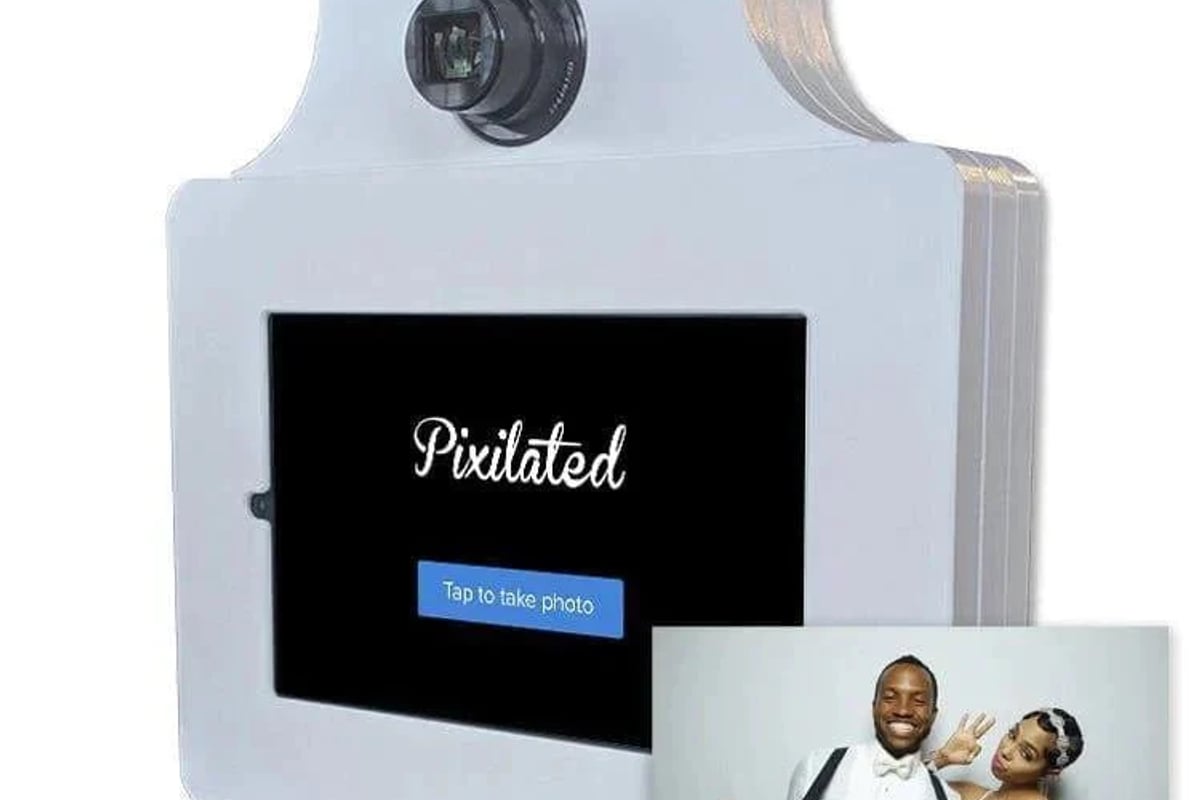
The Pixilated Photo Booth approach emphasizes seamless digital delivery without requiring technical expertise or staff intervention. This DIY model ensures guests receive their photos immediately while reducing operational complexity for event hosts.
| Delivery Method | Advantages | Considerations |
|---|---|---|
| High resolution, permanent storage | Requires accurate email entry | |
| SMS/Text | Instant mobile delivery | File size limitations |
| QR Code | No data entry required | Requires smartphone scanning |
| Social Media | Immediate sharing, viral potential | Privacy concerns for some guests |
| USB/Digital Gallery | Comprehensive event archives | Delayed access |
Optimizing file sizes for sharing ensures photos upload quickly to social platforms without sacrificing visual quality. Most effective photo booth photos balance resolution and compression, typically delivering files between 1-3MB that display well on screens while remaining shareable.
Custom Branding and Overlay Design
Photo overlays transform standard photo booth photos into branded assets that reinforce event identity. Digital overlays can include event names, dates, hashtags, logos, and decorative elements that appear on every photo without physical setup requirements.
Effective overlay design principles include:
- Keep text and logos in non-critical areas (corners, top/bottom margins)
- Use contrasting colors that remain legible against varied backgrounds
- Incorporate event hashtags to encourage social media engagement
- Balance branding with subject visibility
- Test designs with different group sizes to ensure they don't obscure faces
Corporate events particularly benefit from branded overlays that turn guest photos into marketing content. When attendees share these photos on social media, the embedded branding creates exponential exposure that extends well beyond the event's physical attendance.
Troubleshooting Common Photo Booth Photo Challenges
Even well-planned setups encounter technical and logistical challenges. Understanding common issues and their solutions prevents disruptions and maintains consistent photo quality throughout events.
Addressing Lighting and Exposure Problems
Inconsistent exposure represents the most frequent technical complaint about photo booth photos. Subjects appear too dark, too bright, or unevenly lit due to inadequate flash power, incorrect camera settings, or problematic ambient lighting.
Manual flash control often produces more consistent results than automatic TTL modes in challenging lighting environments. Setting flash power to 1/2 or 1/4 and adjusting based on test shots provides predictable output that doesn't vary between captures.
Reflective surfaces and backdrops can create hotspots or washed-out areas in photo booth photos. Adjusting flash angle, adding diffusion, or slightly repositioning the backdrop often eliminates these issues without requiring major setup changes.
Managing Guest Flow and Technical Difficulties
High-traffic events can create bottlenecks at photo booths, particularly when technical issues slow the experience. Clear signage, intuitive interfaces, and strategic positioning help maintain smooth operation even during peak usage periods.
Providing simple written instructions near the booth reduces confusion and speeds the photo-taking process. Step-by-step guides with visual demonstrations help guests operate equipment independently, especially important for DIY setups without dedicated attendants.
Maximizing Event Impact Through Photo Booth Photos
Strategic photo booth placement and promotion transform these experiences from optional extras into event centerpieces that drive engagement and create lasting memories. Thoughtful planning ensures maximum participation and photo quality.
Optimal Booth Positioning and Event Integration
Booth location influences participation rates and photo quality. High-traffic areas near entrances, bars, or cocktail areas capture more guests but may create congestion. Quieter corners offer better lighting control and reduced background noise but lower visibility.
Consider traffic flow patterns throughout your venue. Positioning the booth along natural movement paths increases discovery without creating bottlenecks. For outdoor events, shade and weather protection become critical factors that influence both equipment safety and guest comfort.
Integration with other event elements amplifies impact. Coordinating photo booth photos with event hashtags, welcome signage, and social media displays creates cohesive experiences that reinforce event branding across multiple touchpoints. When planning your setup, reviewing DIY photo booth setup guides can help you avoid common placement mistakes.
Pre-Event Promotion and Guest Encouragement
The most sophisticated photo booth setup underperforms without proper promotion. Pre-event communications should highlight the photo booth experience, explain sharing capabilities, and encourage participation. Event hashtags promoted in advance seed social media activity before the first photo is captured.
On-site promotion through signage, announcements, and visual examples motivates participation. Displaying sample photos or creating a live feed of recent captures demonstrates quality and inspires creativity. Event staff or hosts who model participation by taking their own photos encourage guests to follow suit.
Creating themed photo opportunities around specific moments (cake cutting, toasts, award presentations) generates natural participation peaks. These structured photo moments ensure comprehensive event documentation while distributing booth traffic more evenly throughout the celebration.
Preserving and Showcasing Photo Booth Photos
The post-event life of photo booth photos determines their lasting value. Proper archiving, display strategies, and accessibility ensure these memories remain accessible and meaningful long after the celebration ends.
Digital Organization and Long-Term Storage
Professional event hosts maintain organized digital libraries that allow easy retrieval of photo booth photos from past events. Cloud storage platforms provide reliable, accessible archiving that protects against hard drive failures and data loss.
File naming conventions and metadata tagging facilitate quick searches when clients request photos from previous years. Including event date, type, and client name in filenames creates self-documenting archives that remain navigable even without specialized database software.
Best practices for photo archives include:
- Maintain at least two backup copies on separate physical devices
- Use cloud storage for off-site redundancy
- Implement consistent file naming structures
- Tag photos with event metadata for easy searching
- Review and cull duplicates or technical failures before final archiving
Physical and Digital Display Options
While digital sharing dominates modern photo booth photo distribution, physical prints and displays retain significant sentimental value. Guest books featuring printed strips provide tangible keepsakes that wedding couples and event hosts treasure for decades.
Digital galleries and slideshow displays extend photo visibility beyond social media's ephemeral nature. Creating password-protected online albums gives guests permanent access to high-resolution versions suitable for printing or archiving.
For corporate events, compiling photo booth photos into highlight reels or social media recap videos maximizes marketing value. These curated collections demonstrate event energy and attendee engagement in ways that traditional photography cannot capture.
Creating exceptional photo booth photos requires balancing technical expertise with creative vision and strategic planning. From camera settings and lighting to props, backdrops, and digital delivery, each element contributes to guest experiences that generate authentic engagement and shareable memories. Whether you're planning a wedding, corporate activation, or private celebration, Pixilated Photo Booth delivers professional-grade DIY photo booth rentals that make high-quality photo experiences accessible nationwide without the complexity or cost of traditional staffed services.