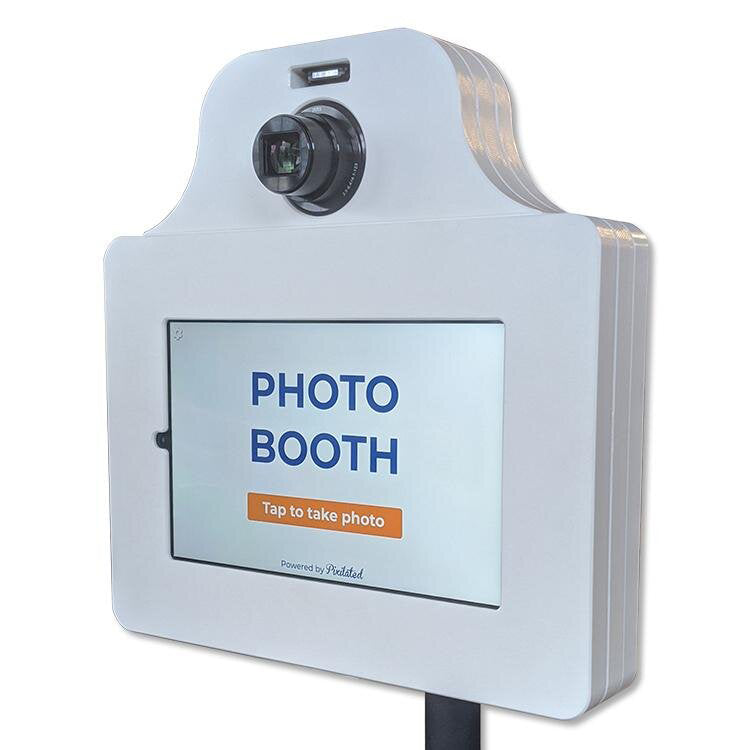
Photo Event Success: Planning & Execution Guide 2026
Pixilated Photo BoothCreating a memorable photo event requires more than simply setting up equipment and hoping guests engage. Whether you're planning a corporate gathering, wedding celebration, or brand activation, the photo experience you provide becomes a crucial touchpoint that shapes how attendees remember your event. Modern photo events blend technology, design, and strategic planning to deliver shareable moments that extend your event's reach far beyond the physical venue. This comprehensive guide explores the essential elements that transform ordinary gatherings into extraordinary photo events that guests talk about long after they leave.
Understanding the Modern Photo Event Landscape
The concept of a photo event has evolved dramatically over the past five years. What once meant hiring a photographer to document proceedings now encompasses interactive experiences where guests become active participants in creating visual content. This shift reflects broader changes in how people consume and share media, with event photography trends in 2025 emphasizing instant gratification and personalized content delivery.
Today's photo event integrates multiple touchpoints throughout the guest journey. From arrival shots to candid moments and structured photo opportunities, each interaction contributes to a comprehensive visual narrative. Event planners must consider how these elements work together to create cohesive experiences that align with event goals.
Key Components of Successful Photo Events
Several foundational elements determine whether your photo event delivers lasting impact:
- Strategic placement of photo opportunities throughout the venue
- Seamless technology integration for instant sharing capabilities
- Branded or themed visual elements that reinforce event identity
- Clear guest instructions that encourage participation
- Backup systems ensuring uninterrupted photo experiences
The most successful photo events balance structure with spontaneity. While planned photo moments create consistency, leaving room for organic interactions often yields the most authentic and shareable content.
Planning Your Photo Event Strategy
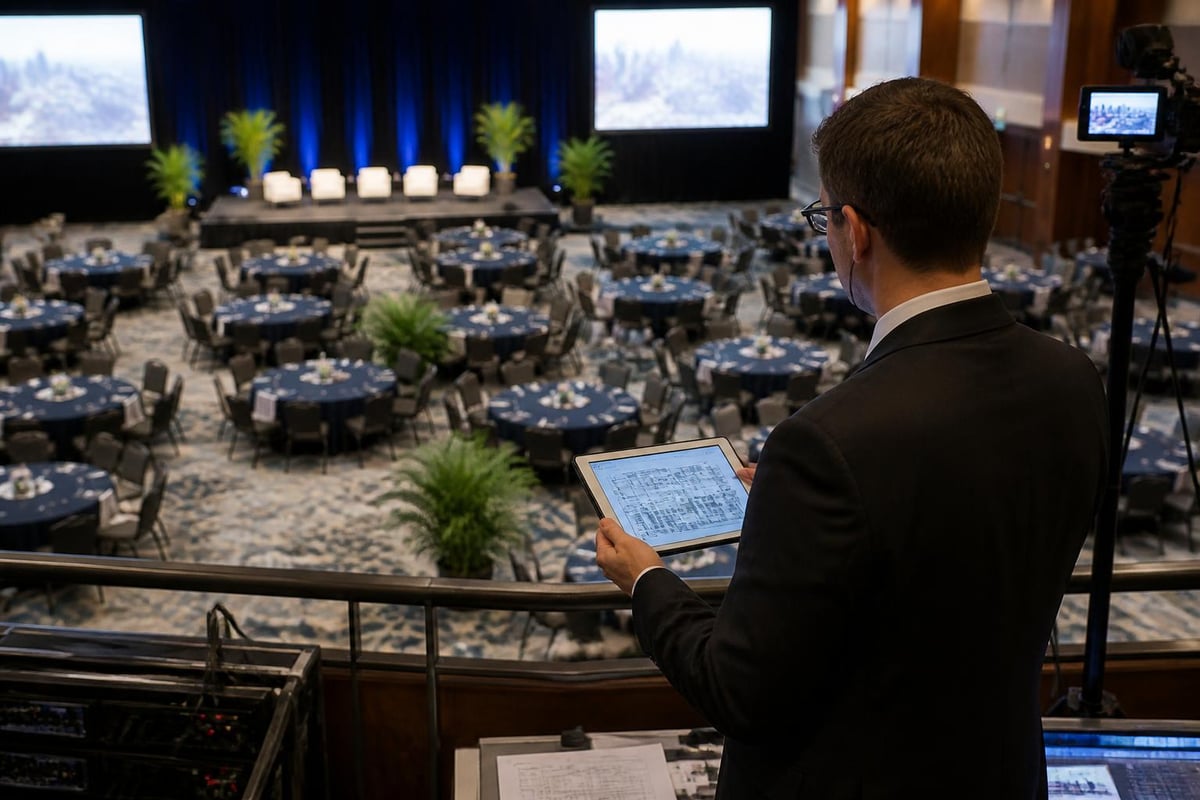
Strategic planning separates mediocre photo events from exceptional ones. Begin by defining clear objectives: Are you building brand awareness, creating keepsakes for attendees, or generating social media content? Your goals directly influence equipment selection, layout design, and promotional approach.
Defining Photo Event Objectives
Different event types require distinct photo strategies. Corporate events often prioritize branded content and professional networking documentation, while wedding photo booth experiences focus on personal memories and guest entertainment. Understanding these nuances helps you allocate resources effectively.
| Event Type | Primary Photo Goal | Secondary Benefit |
|---|---|---|
| Corporate | Brand visibility | Employee engagement |
| Wedding | Guest memories | Entertainment value |
| Brand Activation | Social media reach | Product association |
| Fundraiser | Event documentation | Donor recognition |
| Birthday | Personal keepsakes | Guest interaction |
Once objectives are clear, develop a timeline that accounts for setup, testing, event duration, and breakdown. Professional photo event execution requires buffer time at each stage to address unexpected challenges without compromising guest experience.
Selecting Appropriate Photo Technology
Technology choices significantly impact your photo event's success. Traditional staffed photography provides high-quality images but limits guest participation and requires substantial budget allocation. Self-service photo booth solutions offer interactive experiences that encourage repeated engagement throughout your event.
Modern photo event technology now incorporates artificial intelligence for enhanced functionality. As explored in recent coverage of how AI changed photography in 2025, automated features streamline workflows while improving output quality. Face recognition, automatic cropping, and intelligent lighting adjustments have become standard expectations rather than premium features.
When evaluating photo event equipment, consider these technical specifications:
- Image resolution and quality standards
- Sharing capabilities (email, SMS, social media)
- Customization options for branding or themes
- Offline functionality for venues with connectivity challenges
- Setup complexity and space requirements
Maximizing Guest Engagement at Photo Events
The most beautifully designed photo event fails if guests don't participate. Creating compelling reasons for interaction requires understanding human psychology and removing barriers to engagement. People naturally gravitate toward experiences that make them look good, feel special, or provide social currency among their networks.
Designing Irresistible Photo Opportunities
Physical design elements dramatically influence participation rates at photo events. Well-lit spaces with thoughtful backdrops signal professionalism and encourage guests to invest time in capturing quality images. Consider incorporating multiple photo zones throughout your venue rather than concentrating everything in one location, which creates bottlenecks and reduces overall engagement.
Successful photo event design balances aesthetics with functionality. Your setup should photograph well while accommodating varying group sizes and mobility levels. Step-and-repeat backdrops work excellently for formal events, while interactive props and themed environments suit celebrations with relaxed atmospheres.
Current entertaining trends emphasize intentional experiences that feel curated without appearing contrived. This philosophy applies directly to photo event design, where authentic moments often outperform overly staged alternatives in terms of guest satisfaction and social sharing.
Encouraging Social Sharing and Digital Distribution
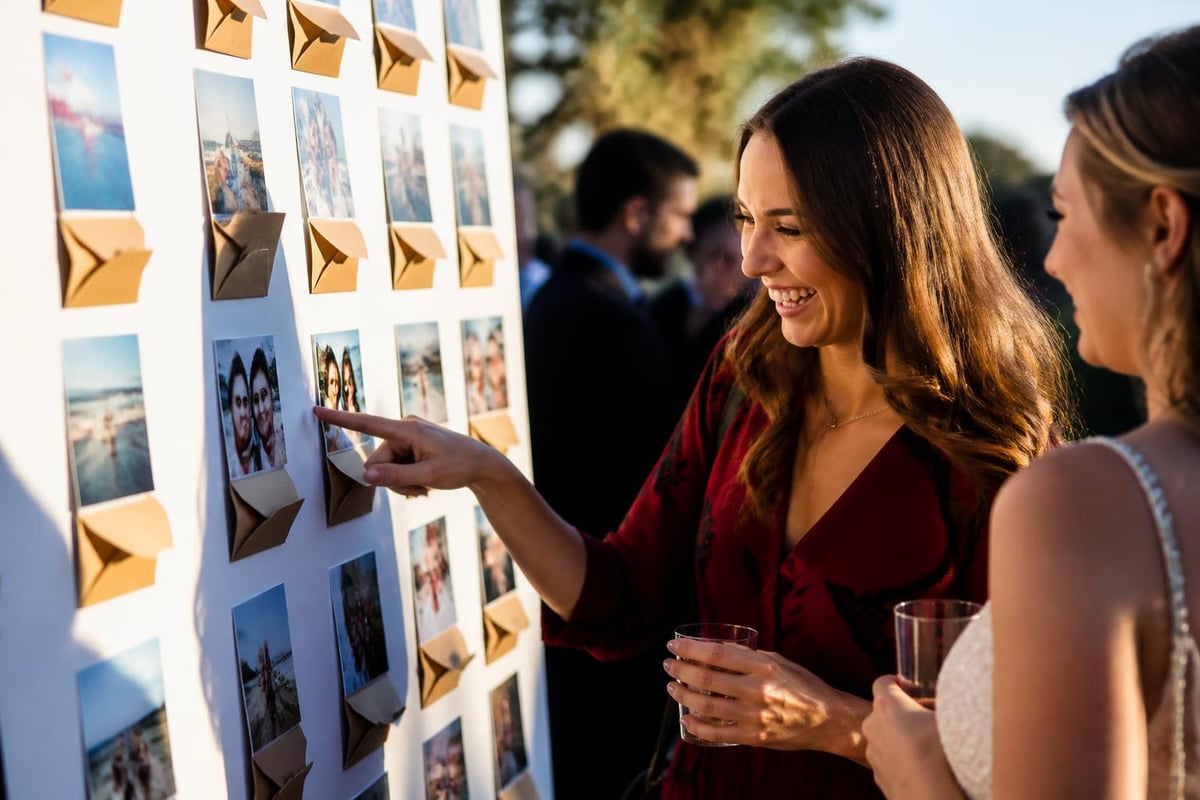
Converting photo event participation into digital reach requires strategic planning. Guests need clear, simple paths for accessing and sharing their images. Friction at any point in this process dramatically reduces sharing rates and limits your event's extended impact.
Implement these proven strategies to boost photo event social sharing:
- Provide instant digital delivery through multiple channels
- Include event hashtags or handles in photo overlays
- Create shareable moments that align with platform algorithms
- Remove download barriers or complicated access procedures
- Offer incentives for social posts (contests, recognition, prizes)
The 2025 guide to event photography technology emphasizes real-time delivery as a critical expectation. Guests increasingly expect immediate access to their photos rather than waiting hours or days for professional editing and distribution.
Technical Considerations for Photo Event Success
Behind every successful photo event lies robust technical infrastructure. While guests experience seamless interaction, planners must address numerous technical details that enable smooth operation. Understanding these requirements helps prevent common pitfalls that compromise guest experience.
Connectivity and Power Requirements
Internet connectivity presents one of the most common photo event challenges, particularly at outdoor venues or historic buildings. While many photo booth solutions offer offline modes that store images for later delivery, real-time sharing significantly enhances guest satisfaction and social media amplification.
For venues with questionable connectivity, specialized solutions provide reliable alternatives. Equipment designed specifically for challenging environments ensures your photo event proceeds without technical disruptions that frustrate guests and diminish your event's professional image.
Power access deserves equal attention during photo event planning. Calculate total electrical requirements including lighting, display screens, printing capabilities, and backup charging stations. Coordinate with venue management to confirm adequate power availability and circuit capacity, particularly when operating multiple photo stations simultaneously.
Equipment Protection and Risk Management
Professional-grade photo event equipment represents significant investment, making protection strategies essential. While proper handling prevents most issues, accidents occur even with careful operation. Understanding your coverage options provides peace of mind and financial protection.
Comprehensive protection safeguards your photo event investment against unforeseen circumstances. Photo Booth Insurance provides coverage for equipment damage sustained during celebrations, subject to proper usage compliance with operational standards. With a straightforward deductible structure, you can proceed confidently knowing potential repair costs are managed and your event experience remains uninterrupted.

Creating Branded Photo Event Experiences
Corporate photo events require additional strategic layers that align visual output with organizational identity. Every image becomes a potential marketing asset that either reinforces or dilutes brand messaging. Thoughtful planning ensures consistency across all photo event touchpoints while maintaining authentic guest experiences.
Customization and Brand Integration
Modern photo events offer extensive customization capabilities that transform standard setups into branded experiences. From custom overlays and backgrounds to themed props and signage, every element can reflect organizational identity or event themes. This consistency creates professional impressions while making images immediately identifiable when shared across social platforms.
Three levels of photo event branding include:
- Visual elements: Logos, color schemes, custom backgrounds
- Messaging integration: Hashtags, taglines, calls-to-action
- Experience design: Themed interactions aligned with brand values
Corporate event photo booth solutions excel when customization feels natural rather than forced. Subtle branding that enhances rather than dominates creates shareable content guests genuinely want to distribute, multiplying your marketing reach organically.
Data Collection and Post-Event Analytics
Beyond immediate visual output, photo events generate valuable data that informs future planning and marketing strategies. Email capture, engagement timing, social sharing rates, and demographic information provide insights into attendee behavior and preferences.
Structured data collection during photo events serves multiple purposes:
| Data Type | Primary Use | Strategic Value |
|---|---|---|
| Email addresses | Post-event communication | Marketing database growth |
| Sharing timestamps | Peak engagement identification | Future event timing |
| Photo counts per guest | Engagement measurement | Experience optimization |
| Social reach metrics | ROI calculation | Budget justification |
Transparency about data usage builds trust while maximizing collection rates. Clear signage explaining how information will be used and stored addresses privacy concerns that might otherwise prevent participation at your photo event.
Logistics and Operational Excellence
Flawless execution distinguishes professional photo events from amateur attempts. While creative elements capture attention, operational details determine whether your event proceeds smoothly or encounters frustrating disruptions. Comprehensive planning addresses potential challenges before they impact guest experience.
Setup and Testing Protocols
Adequate setup time prevents rushed installations that compromise functionality or safety. Professional photo event execution requires arriving with sufficient buffer time for thorough testing before guests arrive. This preparation identifies technical issues, lighting problems, or connectivity challenges while solutions remain readily available.
Complete photo event setup checklist:
- Confirm power sources and connectivity functionality
- Test all photo capture and sharing capabilities
- Verify customization elements display correctly
- Position equipment for optimal traffic flow
- Brief staff or volunteers on troubleshooting procedures
- Conduct test runs simulating actual guest interactions
- Establish backup protocols for common technical issues
The most prepared planners anticipate problems that haven't occurred yet. Backup batteries, alternative connectivity solutions, and spare equipment components transform potential disasters into minor inconveniences that guests never notice.
Staffing and Guest Support
Even with self-service photo event equipment, human support enhances experiences and resolves issues quickly. Whether you designate existing event staff or hire specialized attendants, clear protocols ensure consistent assistance quality throughout your event.
Support personnel should understand basic troubleshooting, encourage participation among hesitant guests, and maintain the photo area's appearance. Their presence signals professionalism while providing reassurance that help is available if needed.
Measuring Photo Event Success
Quantifying photo event performance validates investment and guides future improvements. Beyond subjective impressions, concrete metrics demonstrate value to stakeholders while identifying optimization opportunities. Establish measurement criteria before your event to ensure proper data collection.
Quantitative Success Metrics
Numbers provide objective assessment of photo event performance across multiple dimensions. Participation rates indicate whether your setup attracted sufficient guest interest, while sharing metrics measure extended reach beyond physical attendees. Image quality and technical reliability affect both immediate satisfaction and long-term brand impression.
Essential photo event metrics include:
- Total photos captured and guests participated
- Average photos per participating guest
- Social media shares and extended reach
- Email capture rate among participants
- Equipment uptime and technical reliability
- Average wait times during peak periods
Comparing these metrics across multiple photo events reveals patterns that inform strategic decisions. Seasonal variations, venue characteristics, and demographic differences all influence optimal approaches for maximizing engagement and satisfaction.
Qualitative Feedback and Guest Satisfaction
While numbers quantify performance, qualitative feedback reveals underlying motivations and emotional responses. Post-event surveys, social media sentiment analysis, and direct conversations provide context that pure statistics cannot capture. Understanding why guests enjoyed or avoided your photo event informs improvements that numerical data alone might miss.
Modern wedding planning trends emphasize personalization and immersive experiences, principles that apply equally to photo events across all categories. Guests increasingly expect customization that acknowledges their preferences and creates memorable moments worth sharing.
Future-Proofing Your Photo Event Approach
Technology evolution continues reshaping photo event possibilities, with artificial intelligence, augmented reality, and automated systems creating opportunities that seemed impossible just years ago. Staying informed about emerging capabilities helps planners deliver cutting-edge experiences while avoiding investments in technologies that quickly become obsolete.
Emerging Technologies Reshaping Photo Events
Innovation cycles in photo event technology have accelerated dramatically. Features considered premium additions in 2024 now represent baseline expectations for professional experiences. Understanding this trajectory helps planners allocate budgets toward capabilities that provide lasting value rather than temporary differentiation.
Recent developments showcased at major industry gatherings like the 2025 NAB Show demonstrate how artificial intelligence and cloud-based solutions continue transforming media creation. These advances trickle down to consumer-facing applications including photo event technology, making sophisticated features accessible at reasonable price points.
Augmented reality overlays, real-time background replacement, and intelligent composition suggestions represent current frontier technologies becoming mainstream photo event features. Planners who understand these capabilities can create distinctive experiences that differentiate their events while remaining accessible to guests with varying technical comfort levels.
Sustainability Considerations in Photo Events
Environmental consciousness increasingly influences planning decisions across all event categories. Photo events present unique sustainability opportunities through digital-first approaches that eliminate waste associated with traditional photography. Printed photos create environmental impact through paper consumption, chemical processing, and physical distribution requirements.
Modern photo event solutions emphasize digital delivery that reduces environmental footprint while providing superior convenience. Guests receive instant access to high-resolution images through email or text message, eliminating printing needs while ensuring permanent digital archives. This approach aligns with broader sustainability trends while delivering practical benefits that guests genuinely appreciate.
Successfully executing a photo event requires balancing creative vision with technical expertise and operational excellence. From initial concept development through post-event analysis, each decision influences whether your gathering creates lasting memories or fades quickly from attendee consciousness. By implementing the strategies outlined above, you'll create photo experiences that engage guests, amplify your message, and deliver measurable value that justifies the investment. Ready to elevate your next celebration with professional photo booth experiences? Pixilated Photo Booth delivers modern, DIY rental solutions that combine cutting-edge technology with user-friendly design, making it simple to create shareable moments without the complexity or cost of traditional staffed alternatives.