Self Photo Studio: The Future of DIY Photography
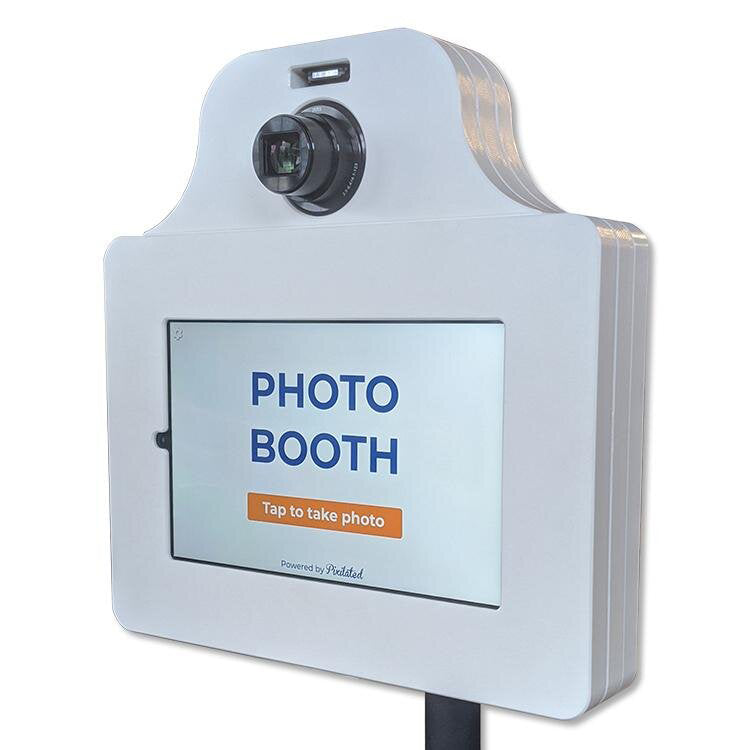
Pixilated Photo BoothThe photography industry is experiencing a fundamental shift in how people capture professional-quality images. A self photo studio represents an innovative approach to photography that eliminates traditional barriers like scheduling conflicts, hourly photographer fees, and limited creative control. These automated spaces provide professional-grade equipment, lighting, and backdrops that customers access independently, creating a democratized photography experience that's reshaping both consumer expectations and business models across the industry.
Understanding the Self Photo Studio Concept
The rise of self-service photography spaces marks a significant departure from conventional studio operations. A self photo studio functions as an unmanned photography environment where clients book time slots, access the space independently, and operate all equipment themselves. This model removes the photographer from the equation, placing creative control entirely in the hands of the customer.
Core components of a successful self photo studio include:
- Professional lighting systems with adjustable settings
- High-quality cameras or smartphone integration capabilities
- Multiple backdrop options and prop collections
- Automated booking and access control systems
- Remote monitoring for security and customer support
The business model thrives on efficiency and accessibility. Unlike traditional studios that require photographers to be present during every session, self photo studios operate continuously without direct staff involvement. This approach significantly reduces overhead costs while maximizing revenue potential through round-the-clock availability.
The Technology Behind Unmanned Photography Spaces
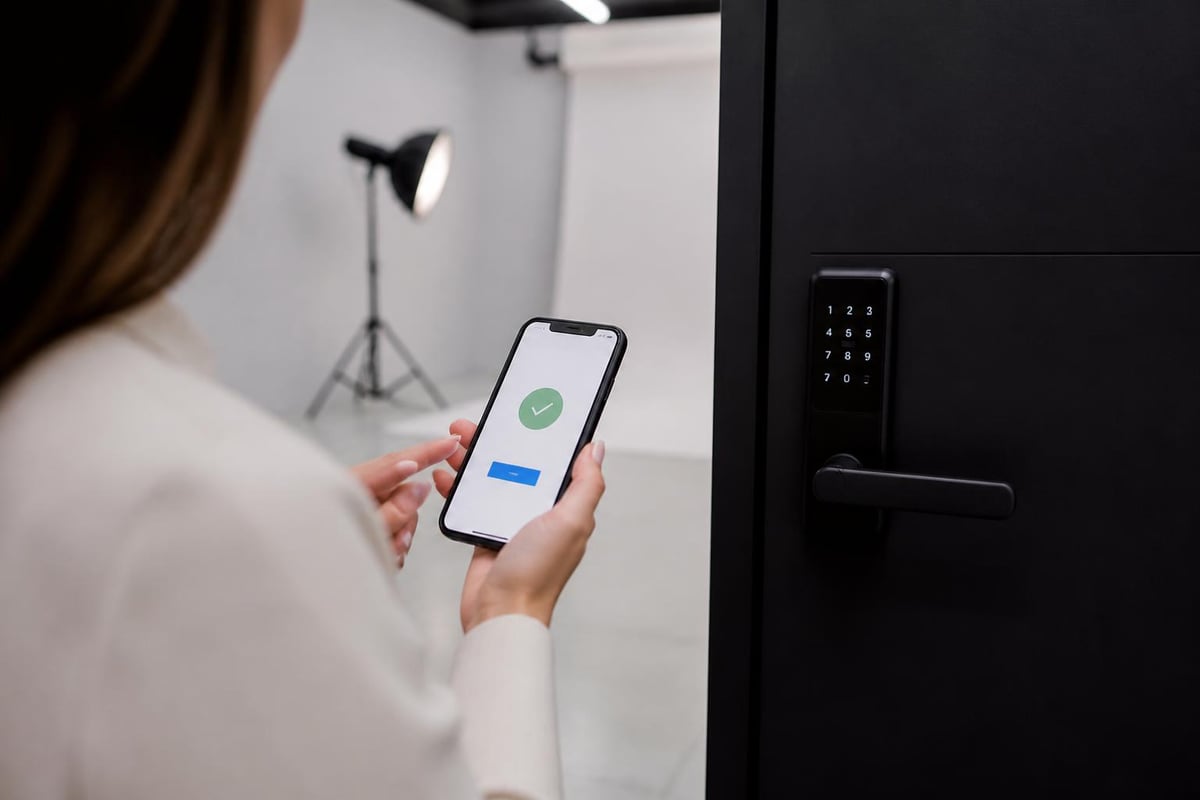
Modern self photo studios leverage sophisticated technology to create seamless user experiences. Smart booking systems integrate payment processing, calendar management, and automated access control through digital locks or keypad entry. Customers receive detailed instructions via email or mobile app, ensuring they can navigate the space confidently.
Remote monitoring systems provide security while respecting privacy. Cameras positioned in common areas (never in shooting spaces) allow operators to ensure equipment safety and address technical issues without physically being present. Many studios implement tablet-based controls that guide users through lighting adjustments, camera settings, and even pose suggestions.
| Technology Component | Purpose | Customer Benefit |
|---|---|---|
| Digital access codes | Secure, keyless entry | 24/7 flexibility |
| Smart lighting controls | Adjustable brightness and color temperature | Professional results without expertise |
| Automated reminders | Pre-session instructions and time notifications | Reduced confusion, better preparation |
| Cloud storage integration | Instant photo delivery | Immediate access to high-resolution files |
The Growing Popularity of DIY Photography Solutions
Consumer behavior shifts have accelerated the adoption of self-service photography options. Social media's dominance has created unprecedented demand for high-quality visual content, yet many individuals and businesses cannot justify the expense of hiring professional photographers for every need. The self photo studio trend addresses this gap by offering professional environments at accessible price points.
Entrepreneurs and content creators particularly value the privacy and unlimited shooting time these spaces provide. Without a photographer present, clients can experiment freely, take as many shots as needed, and direct their own creative vision. This autonomy appeals to those creating personal brands, product photography for online stores, or social media content requiring consistent aesthetic quality.
Market Segments Driving Demand
Small business owners represent a significant customer base for self photo studios. E-commerce sellers need professional product images but cannot afford daily photography services. A self photo studio session allows them to photograph entire inventory catalogs in a single booking, using consistent lighting and backgrounds that enhance brand recognition.
Additional customer segments include:
- Content creators producing YouTube thumbnails, Instagram posts, and LinkedIn headshots
- Job seekers requiring professional portraits for resumes and professional profiles
- Dating app users seeking high-quality profile photographs
- Artists and models building portfolios without agency representation
The event industry has also embraced self-service photography concepts. While traditional photo booth rentals require delivery, setup, and sometimes attendants, modern solutions create similar experiences with greater flexibility. Companies offering wedding photo booth rentals have evolved to provide self-contained systems that guests operate independently, combining professional photography capabilities with the convenience of DIY operation.
Essential Equipment for Self Photo Studio Success
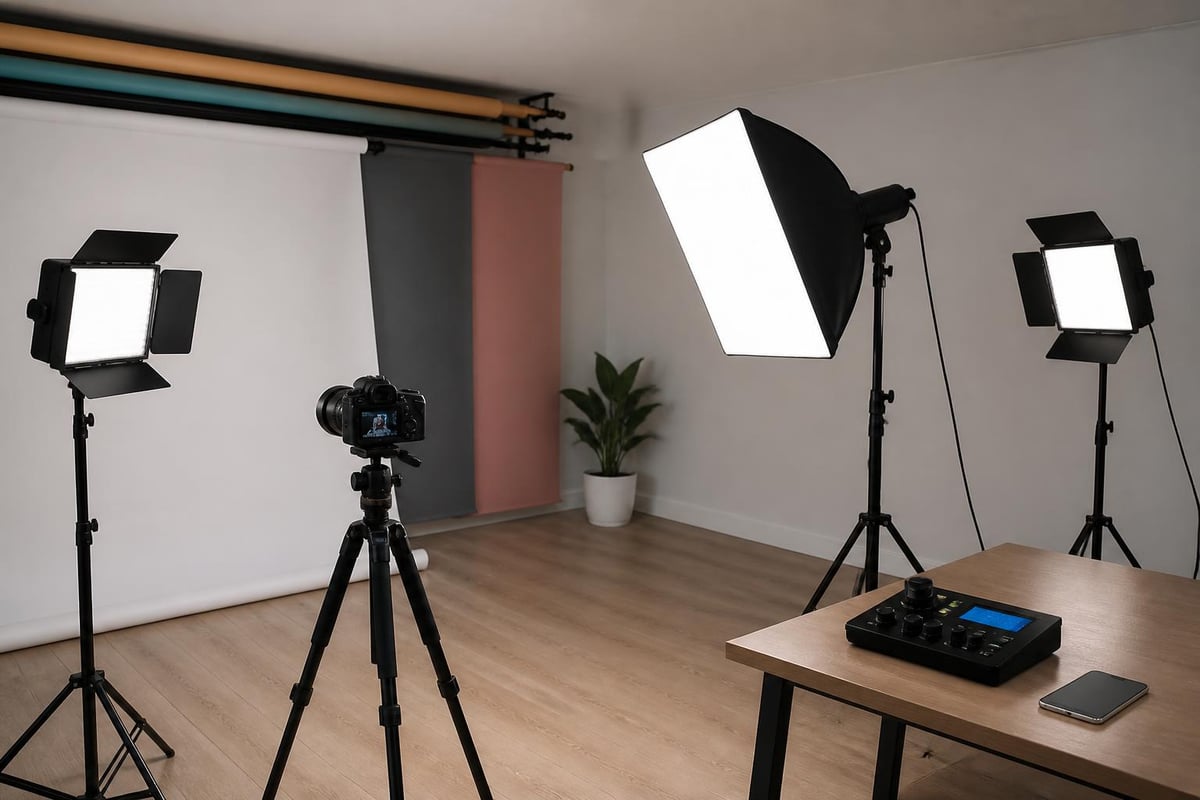
Creating an effective self photo studio requires strategic equipment selection that balances quality with user-friendliness. The essential photography studio equipment list starts with lighting as the foundational element. Continuous LED panels offer adjustable brightness and color temperature without the complexity of flash systems, making them ideal for novice users.
Camera options vary based on target customers. Some studios provide DSLR or mirrorless cameras on tripods with remote triggers, while others design spaces optimized for smartphone photography. The latter approach acknowledges that most customers already know how to operate their phones and prefer the immediate access to images on their personal devices.
Lighting Configurations That Empower Users
Professional lighting doesn't require professional expertise when properly configured. A three-point lighting setup using softboxes creates flattering illumination for portraits, while product photography benefits from overhead lighting combined with reflectors. Comprehensive equipment guides recommend starting with versatile LED panels that customers can adjust via simple controls rather than complex professional gear.
Backdrop systems should offer variety without overwhelming users. Motorized or pulley-operated backdrop rolls allow quick changes between colors and textures. Many successful self photo studios provide five to seven backdrop options, including classic white, black, gray, and several trend-responsive colors that refresh seasonally.
| Equipment Category | Budget Option | Premium Option | Typical Lifespan |
|---|---|---|---|
| LED light panels | $200-400/set | $800-1,200/set | 3-5 years |
| Backdrop system | Pull-down paper rolls | Motorized vinyl system | 2-3 years (paper), 5+ years (vinyl) |
| Camera setup | Smartphone mounts with Bluetooth triggers | DSLR with remote control | 4-6 years |
| Props and accessories | Basic furniture and handheld items | Themed collections with storage | Variable |
Business Models and Revenue Optimization
Operating a self photo studio offers multiple revenue streams beyond basic hourly bookings. Successful operators implement tiered pricing that reflects session length, equipment access, and add-on services. Standard one-hour sessions typically range from $50 to $150 depending on market and amenities, while half-day or full-day bookings command premium rates with volume discounts.
Digital product sales enhance profitability without additional labor costs. Many studios offer photo editing packages, professional retouching services, or branded preset filters that customers can purchase post-session. These digital add-ons carry high profit margins and increase customer satisfaction by delivering polished final products.
Maximizing Space Utilization
The self photo studio model's greatest advantage lies in its ability to generate revenue continuously. Strategic scheduling in fifteen-minute buffer increments between sessions allows thorough equipment resets while maximizing daily bookings. Peak pricing during weekends and evenings capitalizes on high demand, while weekday discounts attract business clients and content creators with flexible schedules.
Package deals encourage longer bookings and repeat customers. Monthly subscriptions appeal to regular users like content creators who need consistent access, providing predictable recurring revenue. Corporate partnerships with marketing agencies, real estate firms, and online retailers create steady booking volume through bulk hour purchases at negotiated rates.
Revenue optimization strategies include:
- Dynamic pricing that adjusts for demand, time of day, and booking lead time
- Membership programs offering discounted rates for monthly commitments
- Equipment rental upgrades like specialized lenses or props
- Partnership programs with makeup artists, stylists, and retouchers
- Workshop and tutorial sessions teaching photography fundamentals
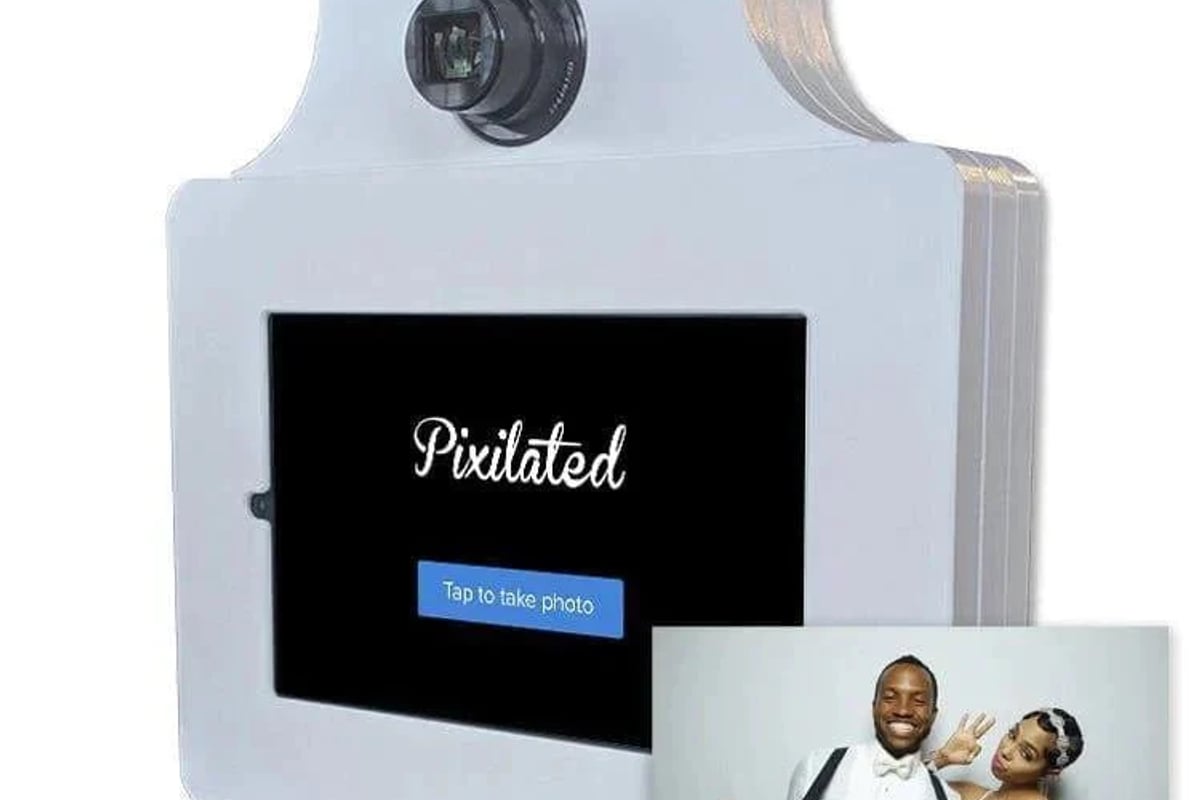
Companies serving the event industry have adapted these principles successfully. Modern photo booth rental solutions operate on similar self-service concepts, shipping complete systems that event hosts set up independently. The Pixilated Photo Booth exemplifies this approach, delivering professional-grade equipment directly to customers nationwide. This model eliminates traditional staffing costs while maintaining professional quality, making premium photo experiences accessible for celebrations of every size.
Operational Considerations and Customer Experience
Running an unmanned photography space requires careful attention to user experience design. Clear, comprehensive instructions prevent customer frustration and reduce support requests. Many operators create video tutorials accessible via QR codes in the studio, demonstrating equipment operation, lighting adjustments, and optimal camera settings for different photography styles.
Safety and liability management protect both customers and business assets. Comprehensive rental agreements outline equipment usage expectations, damage policies, and prohibited activities. Insurance coverage should address property damage, equipment theft, and potential customer injuries, with deductible structures balancing protection costs against risk exposure.
Creating Intuitive User Experiences
First-time visitors need confidence-building support systems. Laminated quick-start guides positioned near each equipment station provide instant reference without requiring digital device access. Preset lighting configurations labeled for specific uses (portrait, full-body, product, creative) eliminate guesswork and accelerate session productivity.
Communication channels matter significantly in unmanned environments. Text message support lines staffed during business hours address urgent questions, while comprehensive FAQ sections on booking websites preemptively answer common concerns. Automated post-session surveys gather feedback while customers' experiences remain fresh, identifying improvement opportunities before negative reviews appear online.
The photography industry's recent growth demonstrates increasing consumer investment in quality imaging tools, validating the self photo studio concept as customers seek professional environments to utilize their equipment effectively.
Marketing Strategies for Self Photo Studios
Digital marketing drives discovery for self-service photography spaces. Search engine optimization targeting local keywords like "photo studio near me" or "hourly studio rental [city]" captures high-intent searchers ready to book. Google Business profiles with current photos, accurate hours, and prompt review responses build credibility and improve local search visibility.
Social media marketing showcases results rather than facilities. Before-and-after transformations, customer-shared session photos (with permission), and behind-the-scenes equipment demonstrations prove the studio's capabilities more effectively than static facility images. Instagram and TikTok content performs particularly well when highlighting the DIY empowerment aspect and creative possibilities.
Building Community and Repeat Business
Loyalty programs transform one-time visitors into regular customers. Point-based systems rewarding bookings, referrals, and social media mentions create engagement beyond transactional relationships. Exclusive member benefits like priority booking during peak times or early access to new backdrops and equipment foster community feelings among frequent users.
Effective community-building tactics include:
- Customer spotlight features on social media and newsletters
- Themed photography challenges with equipment rental prizes
- Collaboration opportunities between members for styled shoots
- Educational content teaching photography techniques specific to studio equipment
- Referral incentives providing booking credits for successful recommendations
Partnerships with complementary businesses expand reach efficiently. Makeup artists, hair stylists, and wardrobe consultants gain referral opportunities while adding value for studio customers. Event planners seeking corporate event photo experiences appreciate referral networks that simplify vendor coordination.
Challenges and Solutions in Self-Service Photography
Equipment maintenance represents the primary operational challenge for unmanned studios. Daily automated checklists completed via mobile apps ensure consistent quality control, with staff verifying lighting functionality, backdrop condition, and camera operation between booking blocks. Preventive maintenance schedules reduce unexpected failures that disrupt customer experiences and generate negative reviews.
Customer misuse occasionally damages equipment despite clear guidelines. Detailed intake and exit photo documentation creates accountability, while security deposits discourage careless behavior. Some operators implement damage waiver programs similar to rental car insurance, allowing customers to pay modest fees for protection against accidental damage charges.
Technical Support Without On-Site Staff
Remote troubleshooting capabilities minimize disruption when technical issues arise during sessions. Smart power strips enabling remote equipment resets, network-connected lighting systems allowing adjustment from support devices, and backup equipment readily accessible in storage closets keep sessions productive despite occasional malfunctions.
Insights from self-service photography operators emphasize the importance of overbuilding reliability into every system. Redundant lighting prevents total session loss if one panel fails. Multiple camera options accommodate different skill levels. Clear emergency contact information displayed prominently ensures customers never feel abandoned.
Competitive differentiation becomes increasingly important as the self photo studio concept gains popularity. Unique value propositions might include specialized equipment like green screens, 360-degree product photography rigs, or video capabilities alongside still photography. Niche positioning targeting specific customer segments (musicians, authors, real estate agents) allows focused marketing and tailored equipment selections.
Future Trends in DIY Photography Spaces
Artificial intelligence integration will transform self photo studio capabilities in coming years. AI-powered pose suggestions displayed on tablets or monitors guide users toward flattering positions, while automated editing applies professional retouching before final delivery. These technologies reduce the expertise gap between amateur and professional photography without requiring human intervention.
Virtual reality and augmented reality applications will enhance creative possibilities. Digital backdrop replacement through green screen technology already exists, but future systems may allow real-time preview of edited results, helping customers visualize final images before completing sessions. AR overlays could demonstrate optimal product positioning for e-commerce photography or show lighting effect variations before adjusting physical equipment.
Hybrid Models Combining Self-Service and Professional Support
Some operators are experimenting with hybrid models offering both unmanned access and optional professional photographer availability. Customers booking standard sessions operate equipment independently at lower rates, while those purchasing premium packages receive remote guidance via video call or scheduled in-person assistance. This flexibility accommodates varying skill levels and budget constraints.
Subscription-based access models may reshape pricing structures as the industry matures. Unlimited monthly memberships appeal to heavy users while providing operators with predictable revenue and high customer lifetime value. Tiered subscriptions offering different equipment access levels, peak-time availability, and included editing services create upsell opportunities.
The technology advancing self photo studios continues evolving rapidly. Research into automated portrait enhancement demonstrates how AI can transform casual photographs into studio-quality results, potentially integrated into self-service photography workflows. Similarly, innovations in 3D self-portrait creation suggest future studios might offer immersive imaging experiences beyond traditional two-dimensional photography.
Comparing Self Photo Studios to Traditional Alternatives
Cost analysis reveals significant advantages for customers choosing self photo studios over traditional photographer services. Professional photographer sessions typically cost $200-500 for basic packages, with premium portrait photography reaching $1,000 or more. In contrast, self photo studio hourly rates of $75-150 provide the same professional environment and equipment while allowing unlimited shots and creative experimentation.
Time efficiency also favors self-service models for specific use cases. Product photographers shooting catalog images can work at their own pace without hourly photographer fees accumulating. Content creators experimenting with different concepts and angles appreciate the freedom to iterate without judgment or time pressure that comes with hired photography services.
| Comparison Factor | Self Photo Studio | Traditional Photographer | DIY at Home |
|---|---|---|---|
| Hourly cost | $75-150 | $200-500+ | $0 (equipment investment required) |
| Creative control | Complete | Collaborative | Complete |
| Equipment quality | Professional | Professional | Variable |
| Expertise provided | Self-directed (guides available) | Professional direction | Self-directed |
| Scheduling flexibility | 24/7 availability | Business hours, advance booking | Unlimited |
However, traditional photographers provide irreplaceable value for certain situations. Weddings, formal events, and complex commercial shoots benefit from professional expertise in posing, lighting adjustment, and moment capture that automated systems cannot replicate. The optimal choice depends on project requirements, budget constraints, and desired involvement level.
For event applications, modern solutions blur the distinction between professional and self-service options. Comprehensive photo booth systems deliver professional-quality results through user-friendly interfaces that guests operate independently. These hybrid approaches combine the best aspects of both models, providing professional equipment with DIY operation simplicity.
Legal and Insurance Considerations
Business licensing requirements for self photo studios vary by jurisdiction. Most municipalities classify these operations as standard commercial photography studios, requiring business licenses, sales tax permits, and compliance with local zoning regulations. Some areas impose additional requirements for unmanned businesses, necessitating research into specific local ordinances before launching.
Comprehensive insurance coverage protects against multiple risk categories. General liability insurance addresses customer injuries occurring on premises, while equipment insurance covers theft, damage, or malfunction of expensive photography gear. Professional liability coverage may apply if customers claim financial damages from equipment failures disrupting important sessions.
Protecting Customer Privacy and Data
Privacy policies must address how customer data, images, and payment information are collected, stored, and used. Clear opt-in procedures for marketing communications comply with regulations while building email lists. Secure payment processing through established providers reduces liability exposure from credit card data breaches.
Image rights management requires careful policy development. While customers own their photos, studios should secure rights to use selected images (with identifying information removed) for marketing purposes. Model releases signed during booking allow legitimate promotional use while respecting customer privacy preferences.
Equipment rental agreements should detail damage policies, prohibited uses, and liability limitations. Clear language regarding normal wear versus actionable damage prevents disputes. Some operators photograph equipment condition before and after each session, creating objective documentation if damage claims arise.
The self photo studio revolution democratizes professional photography by removing traditional barriers of cost, scheduling, and creative control. These innovative spaces empower individuals and businesses to create stunning visual content independently, leveraging professional equipment and environments without the complexity or expense of traditional studio photography. Whether you need consistent product images, professional headshots, or creative content for social media, self-service photography offers compelling advantages. For events requiring shareable photo experiences without the complexity of traditional setups, Pixilated Photo Booth delivers professional-grade DIY solutions that combine the quality of studio photography with the convenience of self-service operation, making memorable photo experiences accessible for celebrations nationwide.