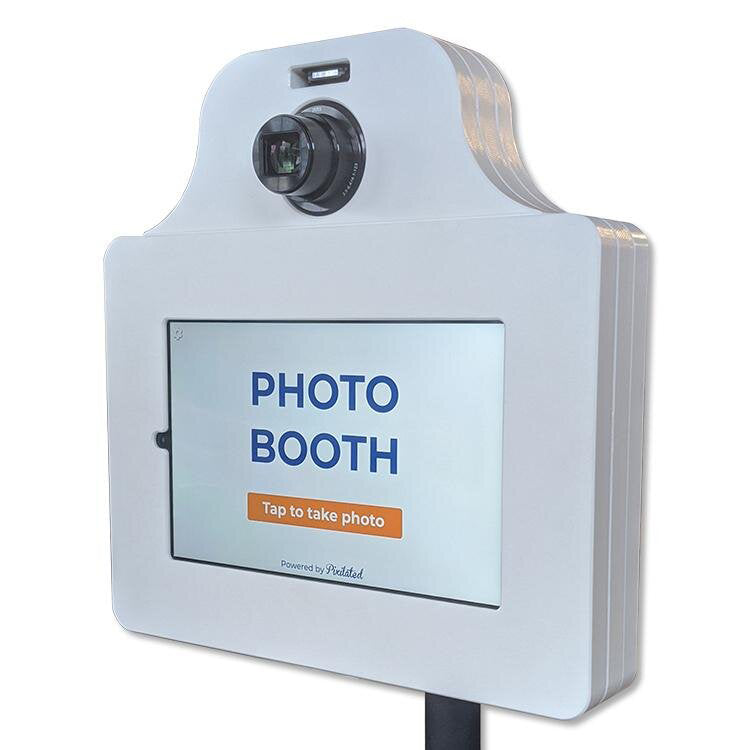
360 Photo Booth: Transform Events with Immersive Video
Pixilated Photo BoothEvent experiences have evolved dramatically, and today's guests expect more than static images. They want dynamic, shareable content that captures the energy and excitement of celebrations. The 360 photo booth has emerged as one of the most popular interactive attractions in the event industry, creating stunning slow-motion videos that put guests at the center of the action. This innovative technology rotates a camera around participants, capturing every angle in high-definition footage that transforms ordinary moments into extraordinary visual experiences.
Understanding the Technology Behind 360 Experiences
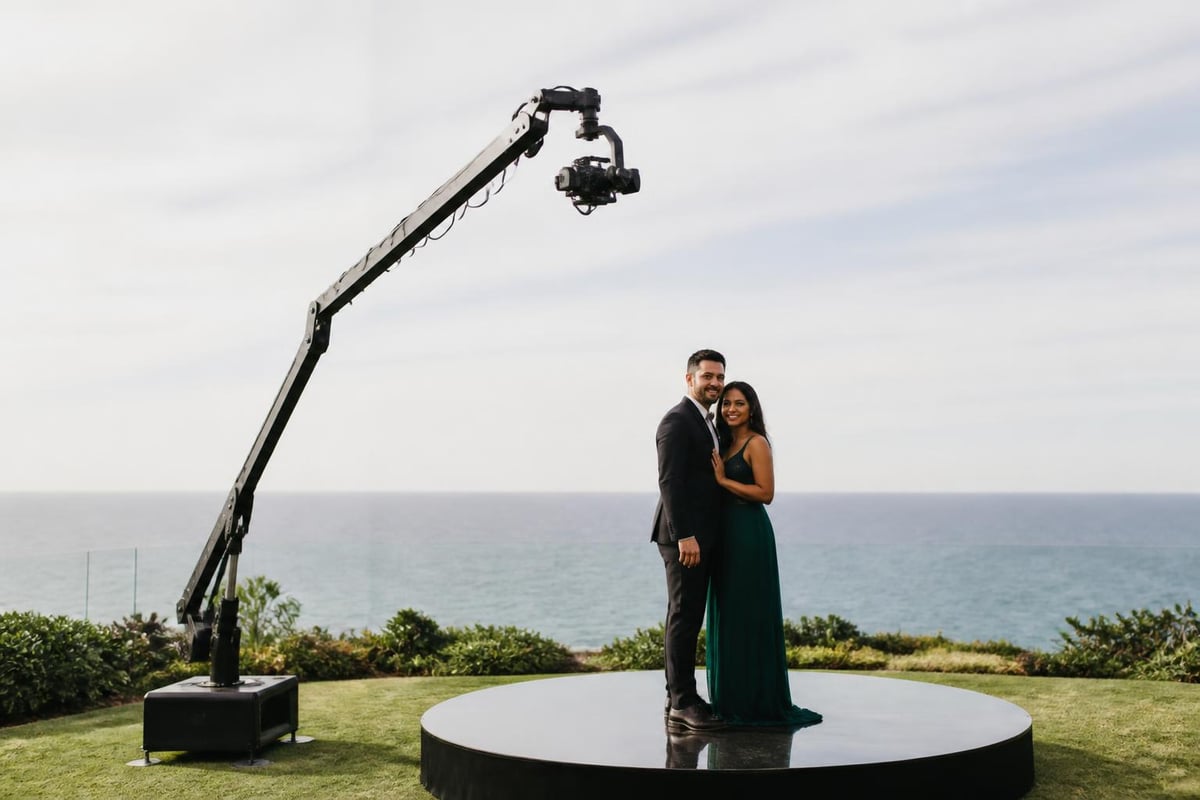
A 360 photo booth operates differently from traditional photo stations. Instead of a stationary camera capturing a single frame, this system uses a motorized arm or circular track that sweeps around guests positioned on a raised platform. The camera continuously records as it moves, creating smooth, cinematic footage that can be played back in slow motion or standard speed.
The setup typically includes several key components working in harmony:
- Motorized rotating arm or spinner that controls camera movement
- Professional camera or smartphone mounted to capture high-resolution video
- Sturdy platform or base where guests stand during recording
- Lighting equipment to ensure optimal video quality
- Tablet or control device for operation and instant playback
Most systems complete a full rotation in 2-3 seconds, though this can be adjusted based on the desired effect. The technology behind these booths combines hardware precision with sophisticated software that processes the footage, adds effects, and enables instant sharing.
Video Processing and Delivery
After capturing the rotating footage, the software processes the video file to optimize quality and prepare it for sharing. Modern systems can add branded overlays, music tracks, slow-motion effects, and custom filters-all within seconds of recording. Guests receive their videos via text message or email, making it easy to share on social media platforms where these eye-catching clips generate significant engagement.
Event Types That Benefit Most
The versatility of a 360 photo booth makes it suitable for numerous occasions, though certain events see particularly strong engagement. Corporate functions have embraced this technology as a powerful branding tool that creates memorable experiences while showcasing company culture.
Corporate Events and Launches
Product launches, conferences, and trade shows benefit tremendously from the modern appeal of rotating video capture. Companies can incorporate branded elements into every frame, creating marketing content that attendees willingly share with their networks. According to recent industry data, the 360 video booth segment has experienced significant growth, with market projections indicating continued expansion through 2026.
Organizations planning corporate event experiences appreciate how this technology elevates standard photo opportunities into something guests actively seek out and remember long after the event concludes.
Wedding Celebrations
Couples want their special day documented in ways that feel authentic and exciting. A 360 photo booth provides entertainment while capturing genuine reactions and emotions. Guests can strike poses solo, with dates, or in groups, creating a variety of content that showcases different perspectives of the celebration.
The slow-motion effect adds dramatic flair to bouquet tosses, dance moves, and champagne toasts. Many wedding planners now consider this amenity essential rather than optional, particularly for couples who prioritize guest experience and social media presence.
| Event Type | Primary Benefit | Typical Session Length |
|---|---|---|
| Weddings | Guest entertainment & shareable memories | 3-4 hours |
| Corporate | Brand visibility & engagement | 2-3 hours |
| Birthday Parties | Age-appropriate excitement | 2-3 hours |
| Fundraisers | Donor engagement & awareness | 3-5 hours |
Social Celebrations
Birthday parties, anniversaries, and milestone celebrations gain extra excitement when guests can create Hollywood-style videos. The booth becomes a natural gathering point, encouraging interaction and creating content that extends the celebration beyond the physical event.
Setup Requirements and Space Considerations
Planning for a 360 photo booth requires understanding the spatial and technical needs. Unlike compact traditional booths, these systems need adequate clearance for the rotating arm and safe guest positioning.
Physical Space Needs
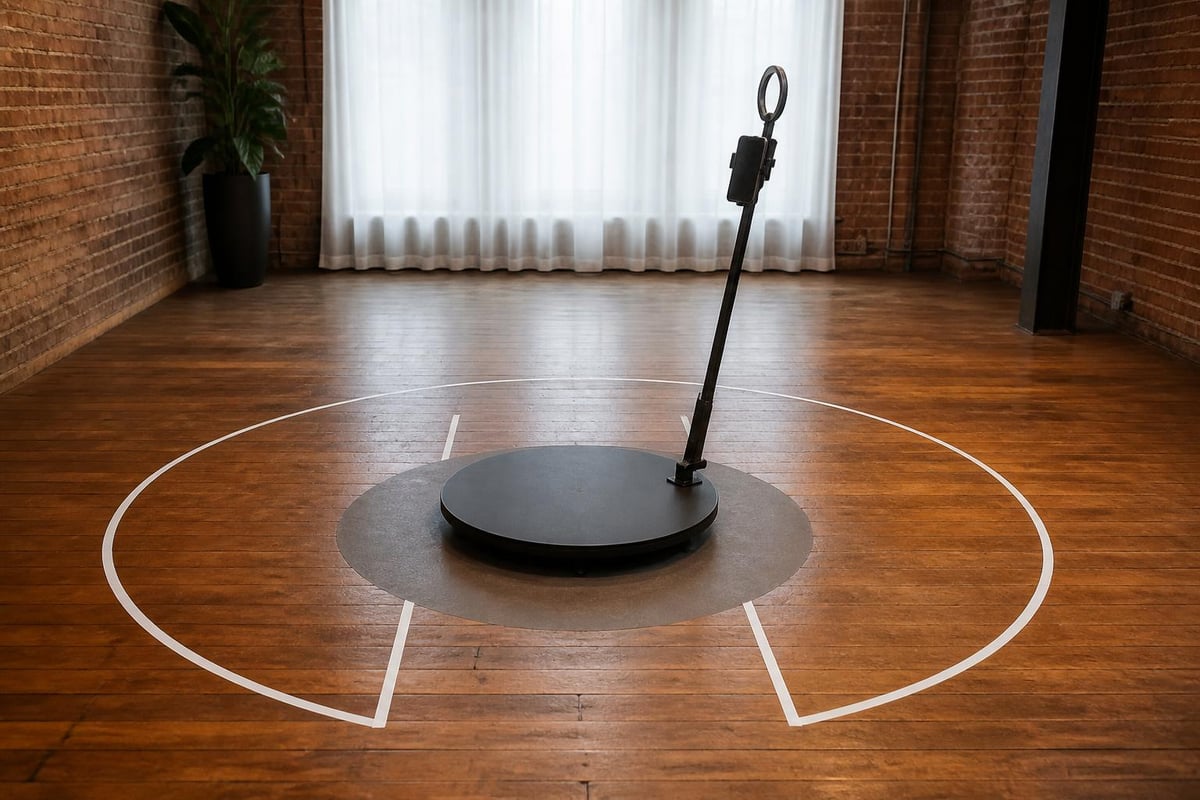
Most installations require a minimum footprint of 8 feet by 8 feet, though 10 feet by 10 feet provides more comfortable operation. This space accommodates the platform, rotating mechanism, and safety buffer zone. Ceiling height should be at least 8 feet to allow proper lighting setup and camera clearance.
The surface must be level and stable, as even minor slopes can affect rotation smoothness and video quality. Indoor venues work well, but outdoor setups demand additional considerations for weather, lighting conditions, and power supply.
Power and Connectivity
Standard 120V electrical outlets typically suffice for most systems, though power consumption varies by equipment. Internet connectivity enables instant sharing, though some setups can store videos locally for later distribution. For outdoor events or venues with unreliable Wi-Fi, having backup connectivity solutions ensures uninterrupted operation throughout the event.
Environmental Factors
Lighting significantly impacts video quality. Indoor venues with consistent lighting produce the best results, while outdoor setups may require supplemental lighting equipment to maintain quality as natural light changes. Wind can pose challenges for outdoor installations, particularly for systems with lightweight components or fabric elements.
Cost Analysis and Investment Considerations
Understanding the financial aspects helps event planners and entrepreneurs make informed decisions. A 360 photo booth represents a significant investment, whether renting for a single event or purchasing for business purposes.
Rental Pricing
Event rental rates typically range from $800 to $2,500 depending on duration, location, and package inclusions. Basic packages include equipment and standard operation time, while premium options add attendants, custom branding, unlimited sessions, and extended hours. Geographic location influences pricing, with major metropolitan areas commanding higher rates than smaller markets.
When evaluating photo booth rental costs, consider what's included in the base price versus add-on charges. Some providers bundle setup, breakdown, and technical support, while others charge separately for these services.
Purchase and Business Investment
Entrepreneurs entering the photo booth business face equipment costs ranging from $3,000 to $15,000 for complete systems. Starting a 360 photo booth business requires strategic planning beyond initial equipment purchase, including marketing, insurance, transportation, and ongoing maintenance.
Budget-conscious operators can start with smartphone-based systems that cost less but still deliver quality results. As the business grows, upgrading to professional cameras and more robust equipment improves output quality and reliability.
| Cost Category | Budget Range | Premium Range |
|---|---|---|
| Equipment Purchase | $3,000 - $6,000 | $10,000 - $15,000 |
| Single Event Rental | $800 - $1,200 | $1,500 - $2,500 |
| Software Subscription | $50 - $100/month | $150 - $300/month |
| Insurance & Licensing | $500 - $1,000/year | $1,500 - $3,000/year |
Software Features and Customization Options
The software powering a 360 photo booth determines functionality, user experience, and customization capabilities. Modern platforms offer extensive options that transform raw footage into polished, shareable content.
Branding and Personalization
Custom overlays allow hosts to add logos, event hashtags, dates, and decorative elements to every video. Some systems support animated overlays that move with the footage, creating cohesive branded content. Color grading and filter options help match videos to event themes or corporate color schemes.
Music integration adds another dimension, with libraries offering various genres and the ability to upload custom tracks. The right soundtrack elevates a simple video into an emotional, memorable keepsake.
Instant Sharing Capabilities
Modern attendees expect immediate gratification. Software that processes and delivers videos within 10-15 seconds maximizes engagement and social sharing. Multiple delivery methods-text message, email, QR code download, and social media integration-ensure guests can access their content through their preferred channels.
Analytics tracking provides valuable insights for corporate clients, showing engagement rates, share counts, and reach metrics that demonstrate ROI.
User Interface Design
Intuitive touchscreen interfaces make operation straightforward for guests and attendants alike. Clear instructions, countdown timers, and instant playback preview enhance the user experience. Some systems include remote operation capabilities, allowing attendants to control the booth from a distance or troubleshoot without interrupting guest flow.
Comparing Traditional and 360 Booth Experiences
While both formats serve event entertainment needs, they create fundamentally different outputs and guest experiences. Understanding these distinctions helps event planners choose the right option for specific occasions.
Content Type and Appeal
Traditional photo booths produce still images-timeless, printable keepsakes that guests can display physically. A 360 photo booth creates video content specifically designed for digital consumption and social sharing. The dynamic nature of rotating video naturally generates more social media engagement, as viewers watch the complete rotation rather than glancing at a static image.
Younger demographics particularly gravitate toward video content, making 360 options ideal for events targeting millennials and Gen Z attendees. However, guests who value physical prints may prefer traditional booths that offer tangible takeaways.
- Traditional booths excel at creating printable memories
- 360 systems generate higher social media engagement
- Video content feels more modern and shareable
- Still photos offer timeless, displayable keepsakes
- Setup complexity differs significantly between formats
Operational Differences
Traditional booths typically accommodate more guests per hour because session times are shorter-often 5-10 seconds versus 15-30 seconds for rotating video capture, processing, and sharing. This throughput difference matters for large events where hundreds of guests want to participate.
Space requirements also differ substantially, with traditional enclosed booths occupying less square footage than 360 systems that need clearance for arm rotation. For venues with limited space, this practical consideration may outweigh other factors.
Maximizing Guest Engagement and Participation
Simply having a 360 photo booth at an event doesn't guarantee participation. Strategic placement, promotion, and attendant interaction significantly impact usage rates and guest satisfaction.
Strategic Positioning
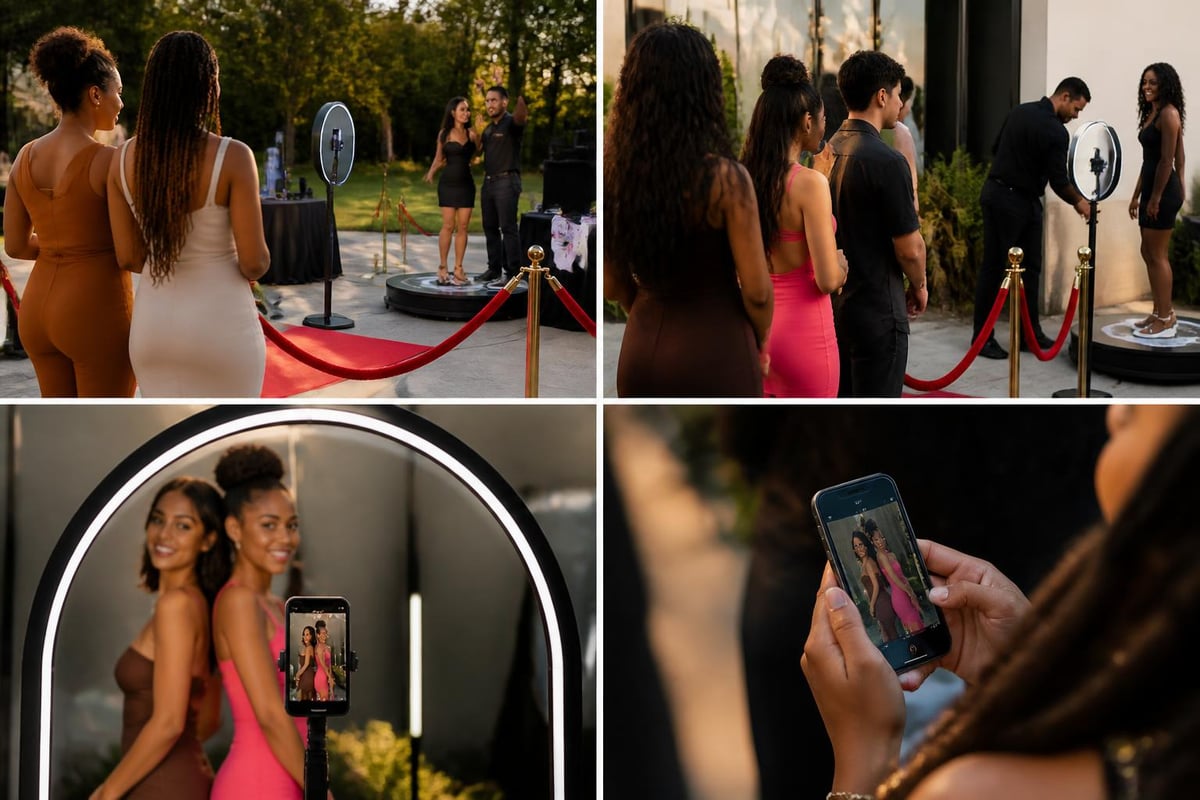
Place the booth in a high-traffic area where guests naturally congregate-near entrances, bars, or lounge spaces. Visibility matters, as guests need to see others participating to understand the experience and feel motivated to try it themselves. Avoid tucking the booth in corners or isolated spaces where it becomes an afterthought.
Creating a designated area with attractive backdrop options, proper lighting, and queue management helps establish the booth as an intentional experience rather than a novelty tucked away. Some event planners incorporate the booth into the venue design, making it a focal point that drives traffic and conversation.
Attendant Interaction
Professional attendants dramatically improve engagement by actively inviting guests to participate, demonstrating proper positioning, and creating excitement around the experience. They troubleshoot technical issues quickly, maintain equipment cleanliness, and ensure every guest receives their content successfully. For events without dedicated attendants, clear signage and intuitive interfaces become even more critical for smooth operation. Understanding essential tips for successful event planning helps organizers integrate interactive elements seamlessly into broader event strategies.
Promotion and Incentives
Announce the booth during event introductions or program segments to ensure all attendees know about the opportunity. For corporate events, connecting participation to charitable donations, contest entries, or branded giveaways increases engagement rates. Social media contests encouraging specific hashtags or poses generate additional reach beyond the immediate event.
Creating example videos before guests arrive helps them visualize possibilities and reduces hesitation. Displaying these samples on nearby screens or incorporating them into event presentations sparks interest and creativity.
Technical Troubleshooting and Common Challenges
Even well-maintained systems encounter occasional issues. Understanding common problems and solutions helps operators minimize downtime and maintain professional service quality.
Rotation Inconsistencies
Jerky or uneven rotation creates subpar video output. This typically stems from mechanical issues with the motor, unbalanced weight distribution on the arm, or platform instability. Regular maintenance, proper equipment balance, and level surface verification prevent most rotation problems.
Calibrating motor speed for different venues and adjusting for various guest group sizes ensures consistent results. Some systems offer variable speed settings that operators can adjust based on desired effects and venue conditions.
Connectivity and Sharing Issues
Failed video delivery frustrates guests and diminishes the experience. Problems usually originate from poor internet connectivity, incorrect contact information entry, or software glitches. Having backup delivery methods-QR codes, USB transfers, or cloud storage links-provides alternatives when primary sharing fails.
Testing connectivity thoroughly before events begin identifies potential issues when there's still time to implement solutions or adjust approaches. For venues with known connectivity challenges, arranging cellular backup or coordinating with venue IT teams ensures reliable service.
| Common Issue | Primary Cause | Quick Solution |
|---|---|---|
| Jerky rotation | Motor calibration | Adjust speed settings |
| Poor video quality | Insufficient lighting | Add supplemental lights |
| Delivery failures | Weak connectivity | Enable offline storage mode |
| Long processing times | Overloaded software | Reduce effect complexity |
Video Quality Problems
Blurry, dark, or poorly exposed footage often results from lighting issues or camera settings mismatched to venue conditions. Professional cameras offer manual exposure control, allowing operators to optimize settings for specific environments. Smartphone-based systems may require strategic lighting additions to compensate for automatic settings that don't adapt well to challenging conditions.
Safety Protocols and Risk Management
Operating rotating machinery around event guests requires attention to safety standards and risk mitigation. Responsible operators implement protocols that protect participants while maintaining smooth operations.
Platform Safety
Non-slip platform surfaces prevent falls during recording sessions. Weight capacity limits must be clearly posted and enforced to prevent equipment damage and guest injury. Some operators set group size limits-typically 3-4 adults maximum-to maintain safe operation parameters.
Adequate spacing between the platform and rotating arm prevents contact accidents. Safety buffers should prevent guests from stepping too close to moving equipment, with physical barriers or marked zones establishing clear boundaries.
Equipment Stability
Proper equipment anchoring prevents tipping or movement during operation. Weighted bases, sandbags, or venue-appropriate anchoring systems provide stability, particularly important for outdoor setups where wind or uneven terrain pose additional challenges. For event planners concerned about equipment protection, considering options like Photo Booth Insurance provides peace of mind, covering equipment damage with a straightforward deductible structure that manages repair costs if incidents occur despite best safety practices.

Regular equipment inspection identifies wear, loose components, or developing issues before they cause failures or safety hazards. Professional operators maintain detailed maintenance logs and follow manufacturer service schedules to ensure reliable, safe operation.
Emerging Trends and Future Developments
The 360 photo booth market continues evolving with technological advances and changing consumer expectations. Current research in 360-degree video processing explores enhanced compression, quality improvements, and new interactive capabilities that may soon influence commercial applications.
Augmented Reality Integration
Next-generation systems increasingly incorporate AR elements that add virtual objects, environments, or effects into footage in real-time. Guests might appear to interact with brand mascots, fantasy creatures, or impossible scenarios that blend physical and digital elements seamlessly.
This technology creates unprecedented customization possibilities for corporate clients wanting unique branded experiences that extend beyond simple logo overlays.
AI-Powered Editing
Artificial intelligence applications automatically identify optimal moments within footage, suggest effects, and personalize videos based on detected elements like clothing colors, group dynamics, or guest expressions. These smart systems reduce post-processing time while improving output quality consistency.
Machine learning algorithms can also predict and prevent technical issues by monitoring equipment performance patterns and alerting operators to developing problems before they cause failures.
Social Media Platform Integration
Direct integration with social platforms eliminates steps between capture and sharing, allowing instant posting to Instagram stories, TikTok, or Facebook with automatic hashtag inclusion and friend tagging. This seamless workflow maximizes viral potential and extends event reach exponentially.
Some systems now offer live streaming capabilities, broadcasting 360 booth activity to virtual attendees or displaying content on large screens throughout venues, creating ambient entertainment that draws more participation.
Content Strategy and Marketing Applications
For businesses and organizations, a 360 photo booth generates valuable marketing assets beyond immediate event entertainment. Strategic thinking about content utilization multiplies the investment return.
User-Generated Content Collection
Every video guests create becomes authentic, enthusiastic content showcasing brand engagement. Companies can compile these clips into marketing materials, social media posts, or recruitment videos that demonstrate culture and energy far more effectively than produced content.
Obtaining proper permissions through terms of service acknowledgment at capture time ensures legal content usage rights while maintaining guest privacy and control.
Analytics and Engagement Measurement
Modern systems track participation rates, sharing frequency, social media reach, and engagement metrics that quantify event success and justify entertainment budget allocations. These insights inform future planning decisions and demonstrate ROI to stakeholders who need concrete data supporting experiential marketing investments.
Comparing metrics across different events, venues, or promotional approaches reveals patterns that guide optimization and strategic refinement over time.
DIY Versus Professional Service Options
Event planners face decisions about whether to rent full-service solutions with attendants or opt for DIY equipment that reduces costs but increases responsibility. Each approach suits different situations and organizational capabilities.
Full-Service Professional Rentals
Complete packages include equipment delivery, setup, trained attendants, troubleshooting support, and breakdown service. This option maximizes convenience and ensures professional operation but commands premium pricing. For high-stakes corporate events or occasions where hosts want to remain guest-focused rather than equipment-focused, full service delivers peace of mind.
Professional attendants bring experience with diverse venues and guest populations, adapting approaches to maximize participation and handle unexpected situations smoothly.
Self-Service and DIY Solutions
Rental models shipping equipment directly to customers significantly reduce costs while maintaining output quality. This approach works well for experienced event planners, tech-savvy hosts, or repeat users who've developed operational expertise. Modern systems designed for DIY use feature intuitive interfaces, comprehensive setup guides, and remote technical support that make professional-quality experiences accessible without on-site attendants.
Organizations hosting frequent events often find DIY options more economical long-term, building internal expertise that eliminates ongoing service fees. For planners exploring various photobooths for rent, understanding the full spectrum of service models helps match solutions to specific needs and budget parameters.
Seasonal and Themed Customization
A 360 photo booth adapts easily to different seasons, holidays, and event themes through software customization and physical styling. This versatility makes single equipment investments serve multiple event types throughout the year.
Holiday-Specific Elements
Seasonal overlays, themed music selections, and coordinated props transform the basic experience to match occasions from Valentine's Day to New Year's Eve. Winter events might feature snowfall effects and holiday music, while summer celebrations incorporate tropical themes and upbeat soundtracks.
Physical decorations around the platform-seasonal florals, themed backdrops, or coordinated lighting colors-reinforce themes without requiring different equipment for each occasion.
Brand Campaigns and Product Launches
Corporate clients can align 360 booth experiences precisely with campaign messaging, product colors, or launch themes. Custom overlays featuring new products, campaign slogans, or brand ambassadors turn every guest video into branded content that extends campaign reach organically through social sharing.
This targeted customization transforms entertainment into strategic marketing, justifying higher budget allocations and demonstrating measurable business value beyond guest satisfaction metrics.
A 360 photo booth represents significant evolution in event entertainment technology, creating immersive video experiences that guests eagerly share and remember long after celebrations end. Whether you're planning a wedding, corporate function, or milestone celebration, understanding the equipment requirements, space needs, and engagement strategies ensures this investment delivers maximum impact for your specific event goals. Pixilated Photo Booth offers professional-grade DIY rental solutions that make cutting-edge event experiences accessible nationwide, combining quality equipment with straightforward setup so you can create unforgettable guest experiences without the complexity or cost of traditional full-service options.