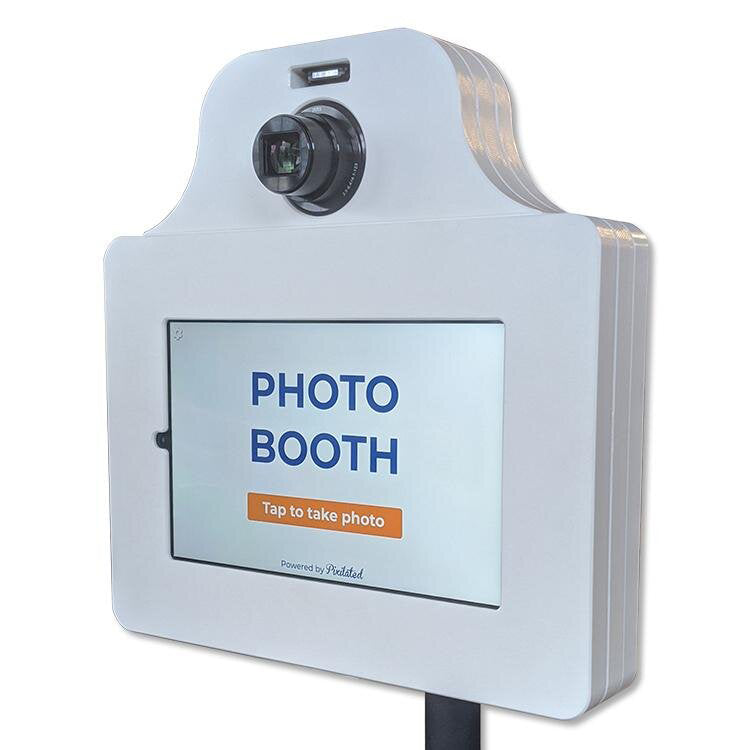
Photo Booth Cameras: Complete Guide for Event Success
Pixilated Photo BoothPhoto booth cameras serve as the foundation of any successful event photography setup, determining image quality, guest experience, and operational efficiency. Whether you're planning a corporate activation, wedding reception, or brand experience, selecting the right camera technology directly impacts your ability to deliver shareable, professional-grade photos that guests will treasure. Modern photo booth cameras range from budget-friendly webcams to professional DSLR systems, each offering distinct advantages for different event types and technical requirements.
Understanding Photo Booth Camera Technologies
The landscape of photo booth cameras has evolved significantly over the past five years, with technology advancements making professional-quality imagery accessible across multiple price points. Event planners and businesses now face an expanding array of options, from traditional DSLR setups to cutting-edge mirrorless systems and even smartphone-based solutions.
DSLR Cameras for Professional Results
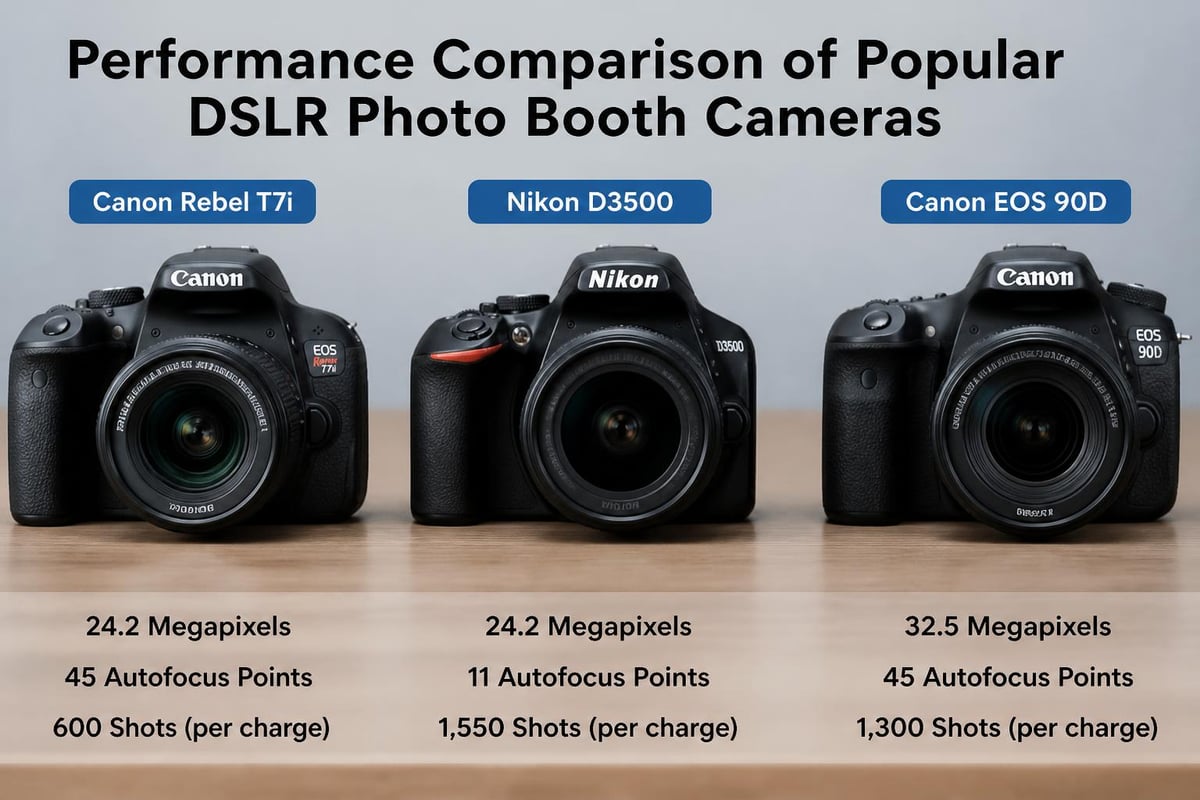
Digital Single-Lens Reflex cameras remain the gold standard for photo booth applications requiring maximum image quality and versatility. These cameras offer interchangeable lenses, superior low-light performance, and manual control over every aspect of image capture. Canon and Nikon DSLR models dominate the professional photo booth market, with the Canon EOS Rebel series and Nikon D3500 providing excellent entry points for operators prioritizing image quality.
Professional photo booth operators appreciate DSLRs for their reliability during extended event sessions. The ability to shoot thousands of images without overheating makes these cameras ideal for high-traffic events. According to essential photo booth equipment guides, investing in a quality DSLR body and prime lens combination delivers consistent results across varying lighting conditions.
Key DSLR advantages include:
- Exceptional image resolution (24MP and higher)
- Fast autofocus systems for quick captures
- Extensive lens ecosystem for creative flexibility
- Robust build quality for demanding event environments
- Long battery life for all-day operation
Mirrorless Camera Systems
Mirrorless cameras represent the next evolution in photo booth technology, combining DSLR-quality imaging with compact form factors and advanced electronic features. Sony, Fujifilm, and Canon's mirrorless lines have gained substantial traction in the photo booth industry throughout 2025 and 2026. These systems eliminate the mechanical mirror assembly found in DSLRs, resulting in lighter weight and quieter operation.
The electronic viewfinder technology in mirrorless cameras provides real-time exposure previews, helping operators achieve perfect settings before guests even step into frame. This preview capability reduces technical errors and speeds up the guest experience. Modern camera settings tutorials demonstrate how mirrorless systems simplify exposure adjustments through intuitive touchscreen interfaces.
| Camera Type | Weight | Autofocus Speed | Video Capability | Price Range |
|---|---|---|---|---|
| DSLR | Heavy | Fast | 1080p-4K | $400-$2000 |
| Mirrorless | Light | Very Fast | 4K-8K | $600-$3000 |
| Webcam | Minimal | Moderate | 1080p-4K | $50-$300 |
Webcam Solutions for Budget-Conscious Setups
Webcams have emerged as viable photo booth cameras for casual events, DIY setups, and budget-conscious applications. Modern 4K webcams from Logitech and Razer deliver surprisingly good image quality when paired with proper lighting and software optimization. While they lack the sensor size and optical flexibility of dedicated cameras, webcams offer plug-and-play simplicity that appeals to first-time photo booth operators.
The integration process for webcams proves straightforward, as camera setup documentation outlines. USB connectivity eliminates additional capture card requirements, reducing both cost and complexity. For events where convenience outweighs ultimate image quality, webcams provide an accessible entry point into photo booth experiences.
Critical Camera Specifications for Photo Booth Applications
Selecting appropriate photo booth cameras requires understanding how technical specifications translate into real-world event performance. Not all camera features carry equal weight in photo booth environments, where speed, reliability, and ease of use often matter more than cutting-edge specifications.
Resolution and Sensor Size
Image resolution determines how large guests can print their photos and how much cropping flexibility operators have during editing. Modern photo booth cameras should offer minimum 12-megapixel resolution, with 18-24MP representing the sweet spot for professional applications. Larger sensors capture more light information, producing cleaner images in challenging lighting conditions common at events.
Full-frame sensors deliver superior image quality but command premium prices and require larger lenses. APS-C and Micro Four Thirds sensors provide excellent results for most photo booth applications while keeping system costs manageable. The sensor size directly influences background blur potential, an aesthetic consideration for setups emphasizing subject isolation.
Autofocus Performance and Speed
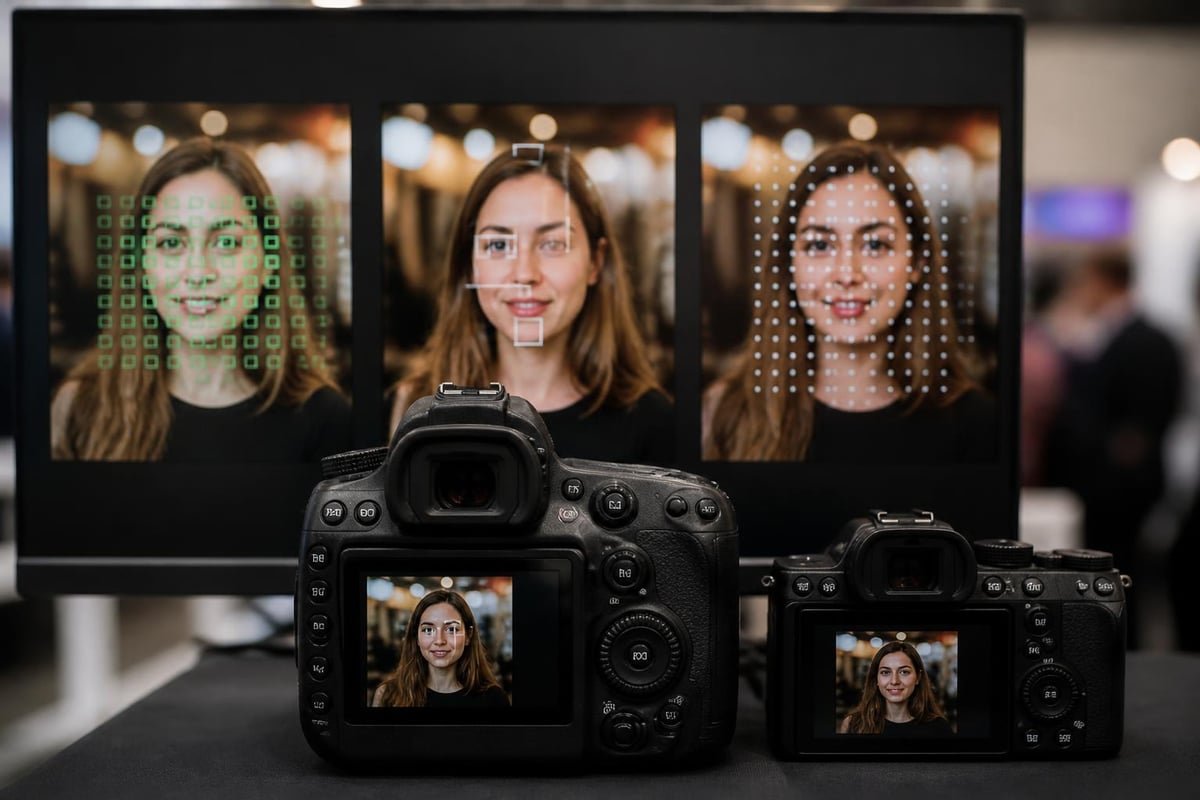
Rapid autofocus systems prevent guest frustration and maintain event flow. Photo booth cameras with phase-detection autofocus lock onto subjects faster than contrast-detection systems, particularly important when multiple guests enter the frame simultaneously. Face detection and eye-tracking autofocus modes ensure sharp focus on subjects regardless of their position within the frame.
Continuous shooting speed affects how many images operators can capture during each session. Cameras capable of 5-7 frames per second allow guests to choose from multiple expressions and poses, increasing satisfaction with final image selections. Buffer depth determines how many rapid-fire shots the camera can capture before slowing down to process images.
Connectivity and Remote Control
Modern photo booth cameras must integrate seamlessly with control software running on tablets or computers. Tethered shooting capability via USB allows instant image transfer to editing and sharing platforms. Wi-Fi-enabled cameras provide wireless flexibility, eliminating cable management challenges in tight booth setups.
Remote control functionality lets operators adjust settings without physically accessing the camera, essential for corporate event photo booth setups where the camera may be mounted overhead or in hard-to-reach positions. Many professional photo booth cameras support remote triggering via smartphone apps, adding operational convenience.
Optimizing Camera Settings for Consistent Results
Even the best photo booth cameras produce mediocre results without proper configuration. Understanding and optimizing three fundamental settings ensures consistent, professional-quality images throughout any event duration.
ISO Sensitivity Management
ISO controls the camera sensor's light sensitivity, with higher values enabling faster shutter speeds in low light at the cost of increased image noise. Camera settings guides for photo booth operators recommend starting with ISO 400-800 for indoor events with adequate supplemental lighting. This range balances sensitivity with noise control, producing clean images suitable for printing and digital sharing.
Auto-ISO modes can work effectively in photo booth applications when properly configured with minimum and maximum limits. Setting a ceiling of ISO 1600 prevents excessive noise while allowing the camera to adapt to minor lighting variations as the event progresses. Fixed ISO values provide absolute consistency but require manual adjustment if lighting conditions change.
Aperture Selection for Depth of Field
Lens aperture affects both light transmission and depth of field, the zone of sharp focus in your images. Photo booth cameras typically perform best at f/5.6 to f/8, a range that keeps multiple guests in focus while maintaining adequate light gathering. Wider apertures (f/2.8 or lower) create attractive background blur but risk putting some guests out of focus in group shots.
The optimal aperture depends on your booth's physical dimensions and typical group sizes. Tighter spaces with two-to-three person capacity allow wider apertures, while larger setups accommodating six or more guests require narrower apertures to maintain focus across the entire group.
Shutter Speed for Motion Control
Shutter speed determines exposure duration and motion-freezing capability. Photo booth cameras should use minimum 1/125 second shutter speeds to eliminate motion blur from guest movement. Faster speeds (1/200 or 1/250) provide additional insurance against blur, particularly valuable when photographing energetic guests or children.
Flash synchronization speed limits the maximum shutter speed usable with external strobes, typically 1/200 to 1/250 second on most cameras. This limitation rarely constrains photo booth applications, as these speeds adequately freeze action while allowing proper flash exposure.
When planning your photo booth setup requirements, consider how camera settings interact with your lighting design. Balanced configuration across all three exposure parameters produces optimal results.
Emerging Camera Technologies in Photo Booth Applications
The photo booth industry continues adopting innovative camera technologies that enhance guest experiences and operational capabilities. Understanding these emerging trends helps event professionals stay competitive and deliver cutting-edge activations.
Instant Print Camera Systems
Fujifilm's introduction of large-format instant cameras, including the Instax Spot photo booth system, demonstrates growing interest in instant gratification experiences. These specialized photo booth cameras combine digital capture with integrated instant printing, delivering physical photos within seconds of image capture.
Instant camera systems appeal to events emphasizing tangible takeaways and nostalgia. The immediate physical output creates powerful emotional connections, though operational costs per image exceed digital-only solutions. Smart event planners balance instant printing with digital delivery options to control costs while maintaining guest satisfaction.
Smartphone Camera Integration
High-end smartphones now incorporate camera systems rivaling dedicated cameras for photo booth applications. The convenience of all-in-one devices appeals to DIY event hosts and casual applications. However, smartphones face limitations in sustained operation, with overheating and battery depletion concerns during extended events.
Professional photo booth operators generally avoid smartphone cameras for paid events, as the lack of external control and limited accessory compatibility constrains creative possibilities. Smartphones excel in ultra-portable, lightweight setups where convenience outweighs technical performance.
Selecting Photo Booth Cameras for Specific Event Types
Different event categories demand distinct camera capabilities and configurations. Matching camera selection to event requirements optimizes both image quality and operational efficiency.
Corporate and Brand Activations
Corporate events require photo booth cameras delivering brand-safe, professional imagery suitable for marketing use. DSLR or mirrorless systems with 20MP+ resolution ensure images meet corporate quality standards. Fast autofocus and high frame rates accommodate high-traffic activations where throughput matters.
Professional cameras support corporate branding requirements through precise color reproduction and consistent exposure control. RAW format capture allows post-event color grading to match brand guidelines exactly.
Wedding Celebrations
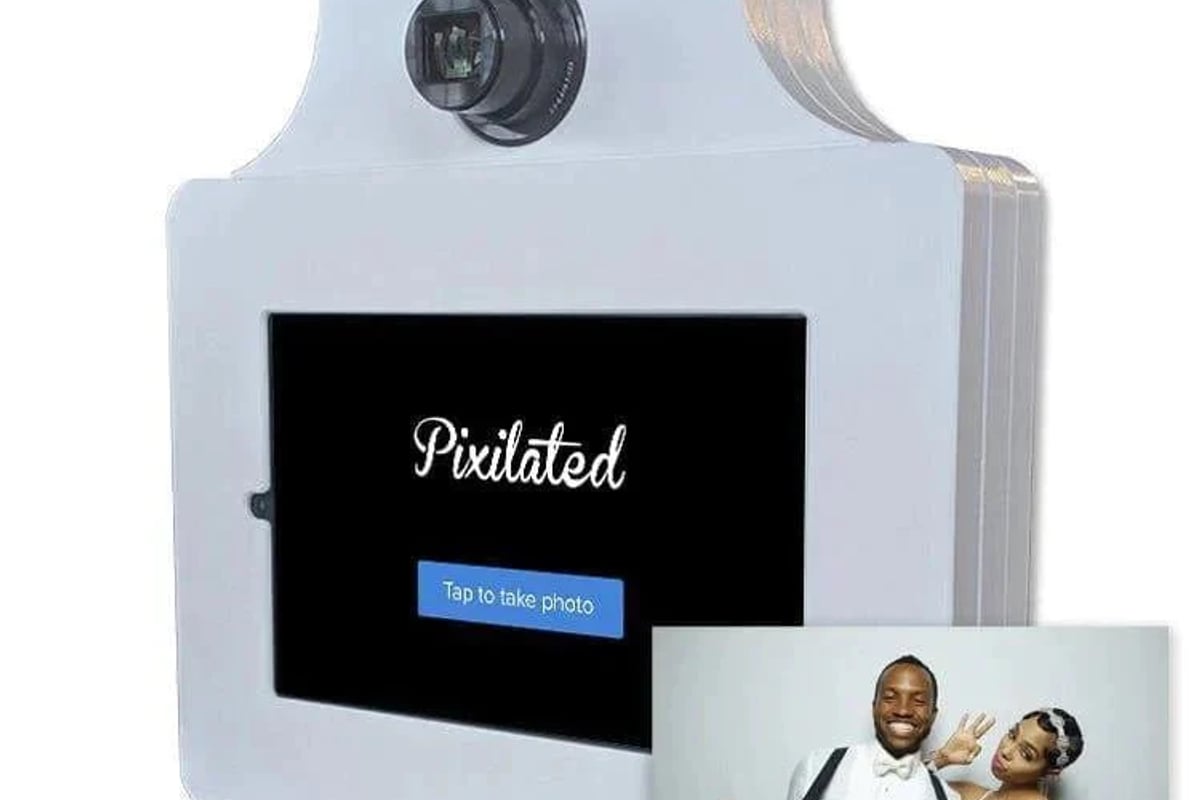
Wedding photo booth cameras balance image quality with ease of use, as DIY setups often involve non-technical operators. Mirrorless cameras with intuitive touchscreen controls and automated modes provide excellent results without requiring photography expertise. The Pixilated Photo Booth offers professional-grade camera systems in user-friendly packages, making it simple for wedding couples to deliver high-quality photo experiences without technical complications.
Wedding applications benefit from cameras with excellent low-light performance, as reception venues often feature dim, romantic lighting. Full-frame sensors or newer APS-C models with improved high-ISO performance excel in these conditions.
Social Events and Private Celebrations
Birthday parties, anniversaries, and casual gatherings allow more flexibility in camera selection. Mid-range photo booth cameras balancing cost and capability serve these markets well. Webcam-based solutions can work for intimate gatherings where portability and simplicity outweigh ultimate image quality.
Social event cameras should emphasize reliability and ease of use over cutting-edge specifications. Automated shooting modes and simplified controls reduce technical barriers, allowing hosts to focus on guests rather than camera management.
Maintenance and Operational Considerations
Photo booth cameras require proper care and operational planning to deliver consistent performance across multiple events and extended service lives.
Cleaning and Sensor Care
Interchangeable-lens cameras accumulate dust on sensors over time, appearing as dark spots in images. Regular sensor cleaning maintains image quality, though improper techniques can damage delicate sensor coatings. Professional cleaning every 20-30 events prevents dust accumulation from degrading image quality.
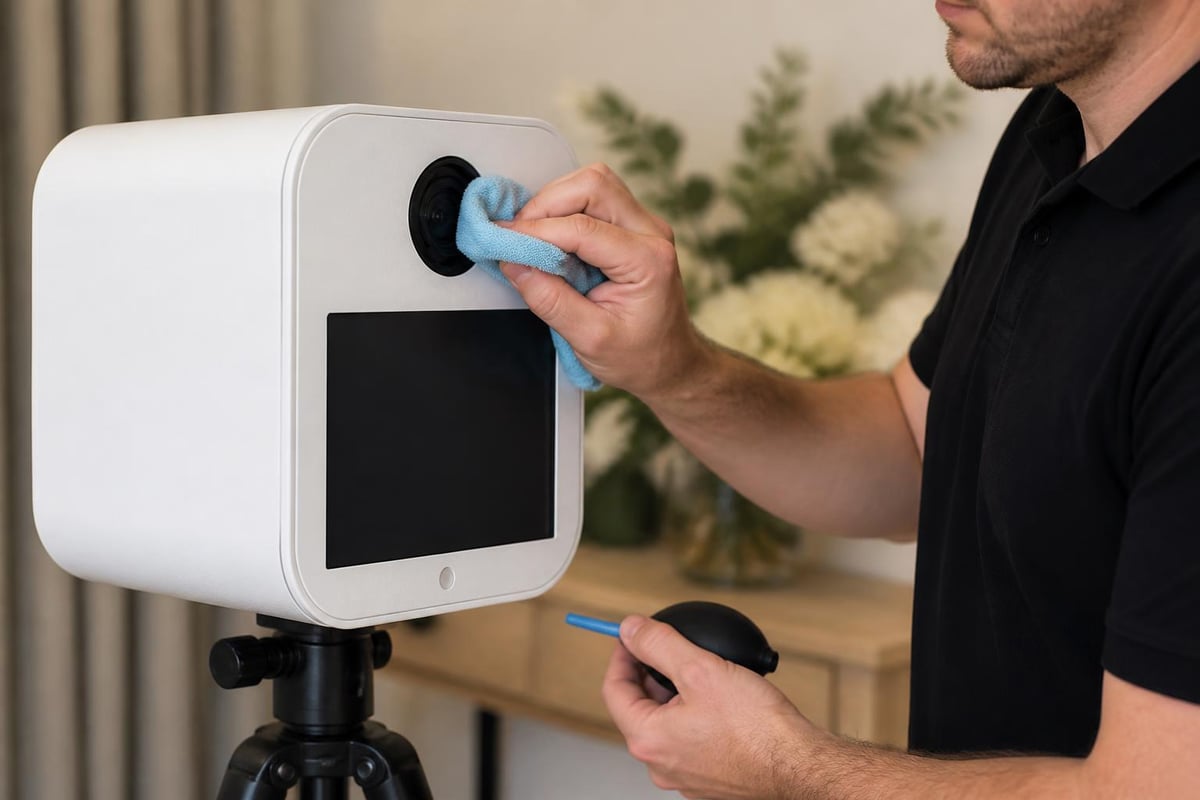
Lens elements require periodic cleaning with appropriate microfiber cloths and optical cleaning solutions. External surfaces collect fingerprints and debris during events, particularly in high-touch applications where guests interact directly with equipment.
Essential maintenance supplies include:
- Rocket blower for removing loose dust
- Microfiber cleaning cloths for lens elements
- Sensor cleaning swabs and solution
- Lens cleaning fluid and tissue
- Protective storage cases for transport
Battery Management and Power Solutions
Camera battery life varies dramatically based on model, settings, and usage patterns. Photo booth cameras supporting AC power adapters eliminate battery concerns during events, though this convenience requires access to electrical outlets. Battery-powered operation offers placement flexibility but demands careful capacity planning.
Operators should maintain spare batteries for every camera, with charging infrastructure supporting rapid turnaround between events. Modern lithium batteries deliver hundreds of charge cycles when properly maintained, making quality batteries worthwhile investments.
Firmware Updates and Software Compatibility
Camera manufacturers regularly release firmware updates addressing bugs and adding features. Maintaining current firmware ensures optimal performance and compatibility with photo booth control software. However, operators should test new firmware versions thoroughly before deploying to production equipment, as updates occasionally introduce unexpected issues.
Software compatibility matters when integrating cameras with booth control platforms. Verify that your chosen photo booth cameras work seamlessly with your preferred software before committing to equipment purchases. Photo booth setup guides often include compatibility matrices listing tested camera and software combinations.
Cost Analysis and Investment Considerations
Photo booth camera investments range from under $100 for basic webcams to several thousand dollars for professional DSLR systems with premium lenses. Understanding total cost of ownership helps operators and event planners make informed purchasing decisions.
Entry-Level Options
Webcams and basic mirrorless cameras serve entry-level photo booth applications with total investments under $500. These systems work well for personal events, small gatherings, and operators testing the photo booth market before committing to premium equipment. Image quality limitations become apparent when comparing output to professional systems, but cost advantages prove compelling for price-sensitive applications.
| Budget Tier | Camera Cost | Lens Cost | Total Investment | Best For |
|---|---|---|---|---|
| Entry | $50-$300 | Included | $50-$300 | Personal events, testing |
| Mid-Range | $400-$800 | $200-$400 | $600-$1200 | Semi-pro, regular use |
| Professional | $1000-$2500 | $400-$1000 | $1400-$3500 | Commercial operations |
Professional-Grade Systems
Commercial photo booth operators require cameras withstanding heavy use while delivering consistently excellent results. Professional DSLR and mirrorless bodies paired with quality prime lenses represent significant investments but provide superior image quality, reliability, and longevity. These systems justify higher costs through improved guest satisfaction and reduced long-term replacement expenses.
Prime lenses optimized for photo booth work typically cost $300-$800, with 35mm, 50mm, and 85mm focal lengths proving most versatile. Fast maximum apertures (f/1.8 or wider) enable beautiful background blur while gathering maximum light in challenging conditions.
Return on Investment Calculations
Professional photo booth operators should calculate cost-per-event to understand equipment ROI. A $2000 camera system used for 50 events adds $40 to per-event costs in year one, dropping to $20 per event over two years. Image quality improvements from professional photo booth cameras often justify premium pricing, increasing revenue potential that offsets initial investment.
Equipment longevity matters significantly in ROI calculations. Professional cameras typically survive 3-5 years of regular event use before requiring replacement, while budget options may need replacement after 1-2 years. Total ownership costs often favor quality equipment despite higher initial prices.
Integration with Photo Booth Software and Workflows
Photo booth cameras must work seamlessly with control software managing image capture, editing, and sharing workflows. Understanding integration requirements prevents compatibility issues that disrupt events.
Tethering and Remote Control
USB tethering connects cameras directly to control computers, enabling instant image preview and transfer. This connection method provides the most reliable operation, though cable management becomes critical in busy event environments. Quality USB cables with secure connections prevent mid-event disconnections that interrupt guest experiences.
Wireless tethering via Wi-Fi offers cable-free convenience but introduces potential connectivity issues in RF-crowded event venues. Battery drain increases with wireless operation, requiring careful power planning for extended events.
Capture Timing and Trigger Methods
Photo booth cameras respond to triggers generated by control software, hardware buttons, or touchscreen interfaces. Trigger latency affects guest experience, with shorter delays between button press and capture improving perceived responsiveness. Professional cameras typically exhibit minimal shutter lag, while some budget options introduce noticeable delays.
Sequential shooting modes allow capturing multiple images per session, giving guests choice and increasing the likelihood of perfect shots. Burst mode capabilities let photo booth cameras capture 3-5 images in rapid succession, though this approach increases storage requirements and processing time.
Image Processing and Output
Modern photo booth cameras typically capture JPEG files optimized for immediate use, though RAW format offers greater editing flexibility for professional applications. JPEG workflow simplifies software integration and reduces storage demands, making it the standard choice for most event applications.
Image resolution affects file sizes and processing speed. Higher resolution photo booth cameras produce larger files requiring more storage space and processing power. Balancing resolution with practical output requirements prevents unnecessary infrastructure costs.
Photo booth cameras represent the technical heart of any event photography setup, with selection decisions rippling through every aspect of the guest experience and operational workflow. From budget-friendly webcams to professional DSLR systems, the right camera choice balances image quality requirements with practical considerations of cost, ease of use, and reliability. Whether you're planning a single celebration or launching a commercial photo booth operation, Pixilated Photo Booth delivers professional camera systems in accessible, DIY-friendly packages that make premium photo experiences achievable for events of every scale.