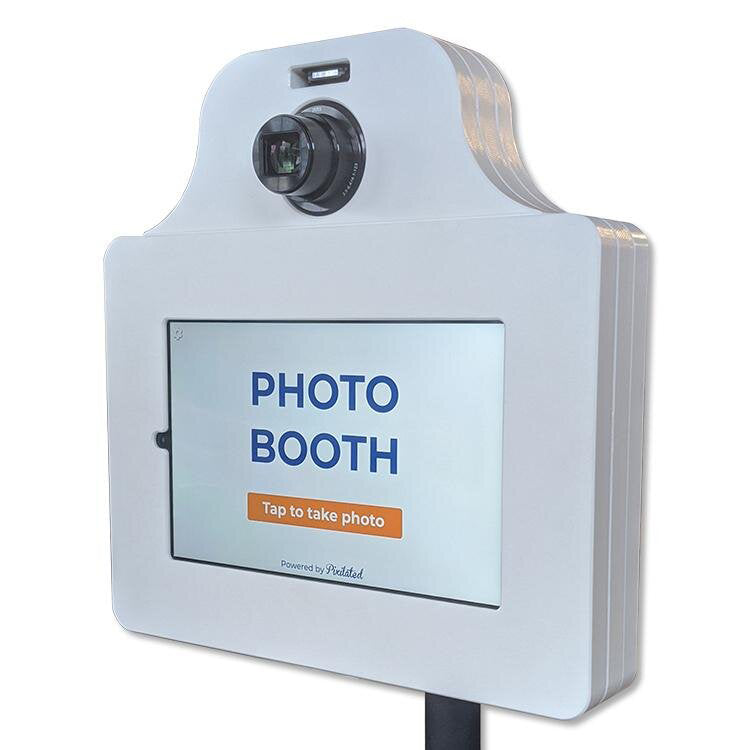
Selfie Mirrors: Transform Events with Interactive Tech
Pixilated Photo BoothThe event industry has witnessed a remarkable transformation with the introduction of selfie mirrors, interactive devices that combine full-length mirror functionality with cutting-edge photo booth technology. These innovative installations have rapidly become essential elements at weddings, corporate events, and brand activations across the country. Unlike traditional photo booths that tuck guests into confined spaces, selfie mirrors create an open, engaging experience that encourages creativity while capturing high-quality images that guests instantly share across their social networks.
Understanding Selfie Mirror Technology
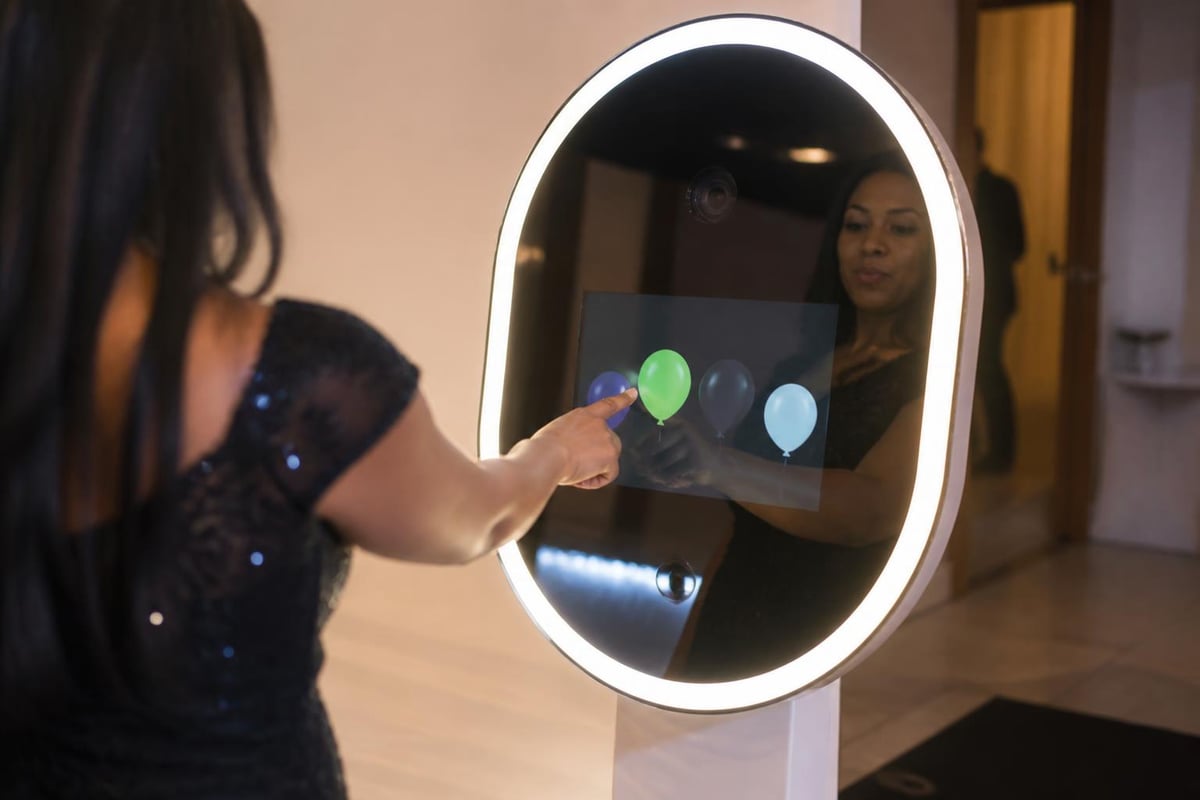
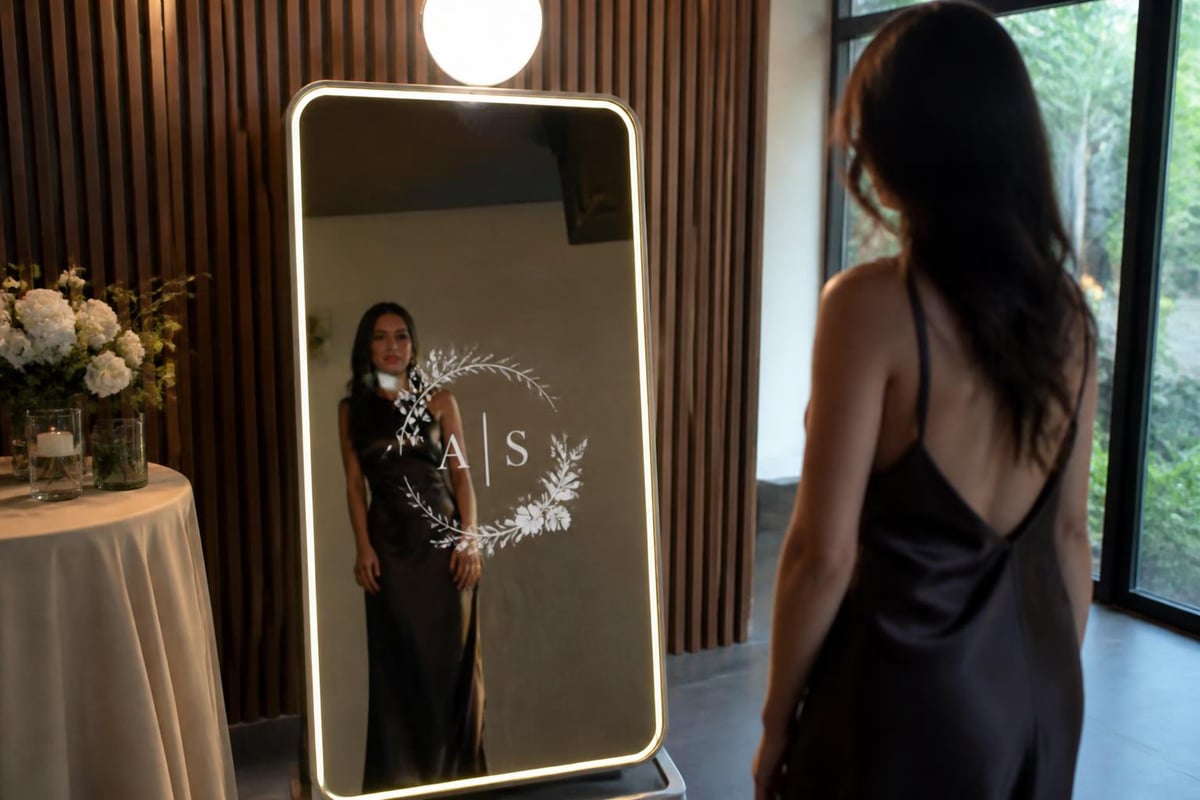
Modern selfie mirrors represent a significant evolution from conventional photo capture methods. These sleek, full-length displays feature embedded cameras, touch-screen interfaces, and sophisticated software that guides users through customized photo sessions. The mirror's reflective surface displays real-time previews, interactive animations, and personalized messages that transform simple picture-taking into an immersive entertainment experience.
The technology behind these devices integrates several components working seamlessly together. A high-resolution camera positioned behind two-way mirror glass captures professional-quality images, while LED lighting rings ensure optimal illumination from every angle. Touch-screen overlays respond to gestures and taps, allowing guests to select backgrounds, apply filters, and add digital props without any physical accessories cluttering the space.
Key Features That Define Modern Selfie Mirrors
Contemporary selfie mirrors incorporate features that extend far beyond basic photography. Voice guidance walks users through each step, making the experience accessible even for technology-novices. Gesture recognition enables hands-free operation, while facial detection ensures perfect framing before each capture.
- Instant sharing capabilities through email and SMS delivery
- Customizable branding with logos, colors, and themed overlays
- Social media integration for direct platform uploads
- Digital prop libraries with hundreds of virtual accessories
- Analytics dashboards tracking engagement metrics
- Multi-language support for diverse event audiences
The interactive nature of these installations encourages repeated use throughout events. Research on user selfie-posting behaviors reveals that people engage more deeply with experiences offering immediate gratification and social sharing opportunities, which selfie mirrors deliver perfectly.
Applications Across Different Event Types
Selfie mirrors have proven versatile enough to enhance virtually any gathering. Their adaptability makes them equally valuable for intimate celebrations and large-scale corporate functions.
Corporate Events and Brand Activations
Businesses leverage selfie mirrors to create memorable brand experiences that generate authentic social media content. At trade shows and product launches, these installations become magnets for foot traffic, drawing attendees with interactive displays that reinforce brand messaging. Companies collect valuable data through email capture features while guests receive branded photo souvenirs that extend marketing reach long after events conclude.
Corporate event photo booth rentals have become standard practice for organizations seeking measurable engagement metrics. Marketing teams appreciate the ability to customize every aspect of the experience, from welcome screens displaying company logos to photo overlays featuring product imagery or campaign hashtags.
| Event Type | Primary Benefit | Typical Usage |
|---|---|---|
| Corporate Conferences | Lead Generation | 200-500 photos per day |
| Product Launches | Brand Awareness | 300-800 photos per event |
| Trade Shows | Booth Traffic | 400-1000 photos per show |
| Team Building | Employee Engagement | 150-400 photos per session |
The retail sector has also embraced this technology, as demonstrated by H&M's interactive selfie mirror implementation that engaged consumers while gathering insights about customer preferences and behaviors.
Wedding Celebrations and Private Events
Wedding photo booth experiences have evolved significantly with selfie mirror adoption. Couples appreciate how these elegant installations complement venue aesthetics while providing entertainment that spans generations. Grandparents and young children alike find the touch-screen interface intuitive, creating candid moments that professional photographers might miss.
Private celebrations including milestone birthdays, anniversaries, and graduation parties benefit from the personalization options selfie mirrors provide. Hosts customize photo templates with event details, creating keepsakes that guests treasure for years. The digital nature of these souvenirs eliminates printing costs while offering unlimited copies for every participant.
Technical Specifications That Matter
Understanding the specifications that differentiate quality selfie mirrors helps event planners make informed decisions. Not all devices offer equivalent performance, and certain features prove more valuable depending on event requirements.
Display and Image Quality
Screen size typically ranges from 55 to 75 inches, with larger displays creating more impressive visual impact. Resolution matters significantly-4K displays provide crisp, clear reflections and sharper preview images that enhance user experience. Camera specifications determine final image quality, with professional-grade sensors capturing 12-megapixel or higher resolution photos suitable for printing and social sharing.
Lighting systems separate exceptional selfie mirrors from mediocre alternatives. Ring lights with adjustable color temperature adapt to different environments, ensuring flattering illumination regardless of ambient conditions. Some advanced models incorporate multi-zone lighting that automatically adjusts based on subject distance and positioning.
Software Capabilities and Integration
Backend software determines how effectively selfie mirrors serve event objectives. Cloud-based platforms enable real-time monitoring, allowing event staff to track usage patterns and troubleshoot issues remotely. Integration capabilities with customer relationship management systems streamline data collection for marketing purposes.
- Professional-grade editing filters
- Animated GIF creation
- Boomerang video loops
- Green screen background replacement
- Survey and feedback collection tools
- Social media wall aggregation
The emergence of smart health monitoring mirrors demonstrates how quickly this technology continues evolving, though event applications currently focus primarily on entertainment and engagement rather than wellness assessment.
Maximizing Guest Engagement
Strategic placement and thoughtful setup dramatically impact how guests interact with selfie mirrors. Location selection requires balancing visibility with traffic flow-mirrors should attract attention without creating bottlenecks that disrupt event circulation.
Creating Compelling Photo Experiences
The most successful installations provide clear instructions through visual cues and audio prompts. First-time users shouldn't feel confused about how to begin their photo session. Countdown timers give subjects time to prepare poses, while session lengths should accommodate groups without allowing lines to form.
Branded elements work best when they enhance rather than overwhelm the experience. Subtle logo placement in photo corners maintains professional appearance, whereas excessive branding can discourage sharing. Event planners should consider testing layouts before finalizing designs, ensuring text remains readable when photos get compressed for social media platforms.
Props and accessories complement rather than replace the digital experience. Physical items like signs or novelty glasses provide tactile elements that appeal to guests preferring traditional photo booth aesthetics. The combination of physical and digital props offers flexibility that accommodates diverse preferences among event attendees.
Setup and Operational Considerations
Unlike traditional staffed photo booths, modern selfie mirrors often operate in self-service mode. This DIY approach reduces costs while maintaining professional quality, though it requires careful planning to ensure smooth operation throughout events.
Installation Requirements
Most selfie mirrors require standard electrical outlets and stable internet connections. Wi-Fi enables instant photo delivery via email and text messages, though offline modes store images for later distribution when connectivity proves unreliable or unavailable at outdoor venues. Setup typically takes 30-45 minutes, making these installations practical even for short-duration events.
Space requirements vary based on mirror dimensions and expected group sizes. A minimum of 8x10 feet provides adequate room for small groups, while larger installations accommodating 6-8 people simultaneously may need 12x15 feet or more. Ceiling height matters less than horizontal space, though venues with very low ceilings might create challenging lighting conditions.
Managing Digital Assets
Photo management systems determine how easily guests access their images after events. Automated delivery through email or SMS works well for most gatherings, though some situations benefit from additional distribution methods. QR codes displayed on-screen allow instant downloads to smartphones, while gallery links let guests browse and select favorites from complete session collections.
Understanding photo booth rental costs helps budget-conscious planners allocate resources effectively. Many providers now offer flexible packages that include equipment, software, and support without requiring dedicated attendants.
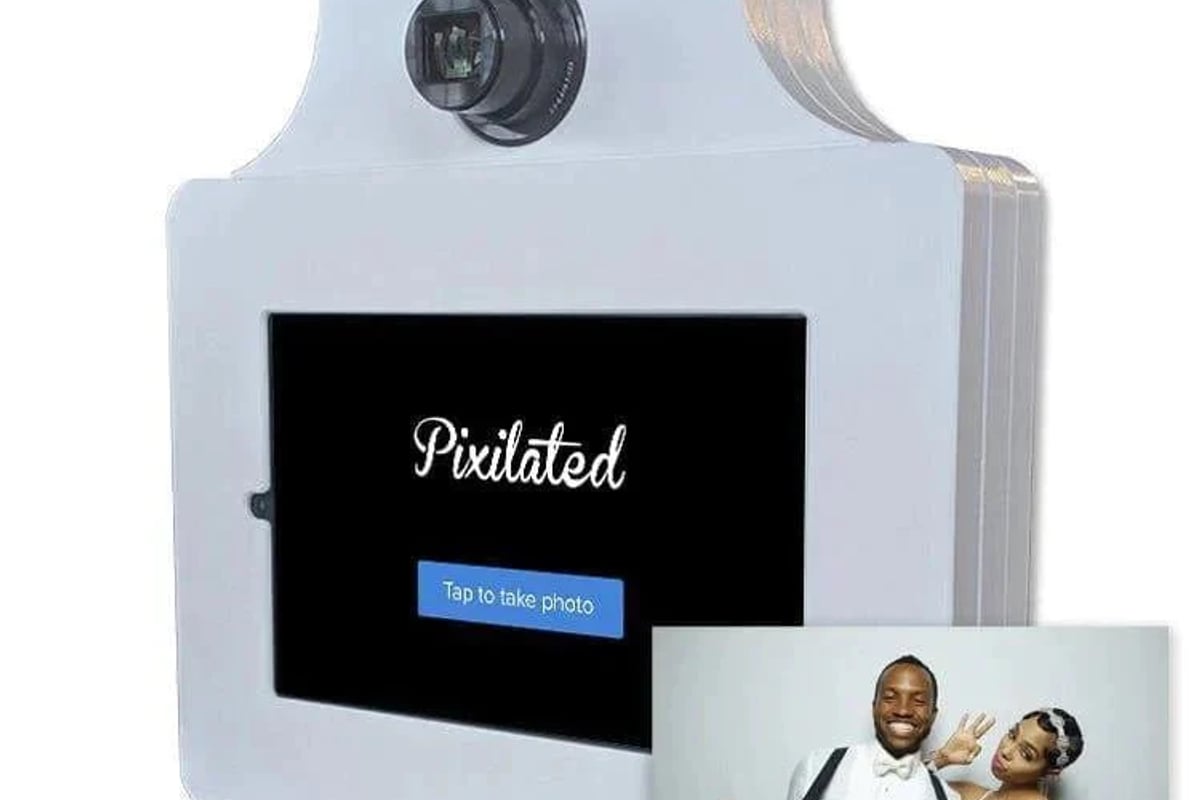
The Pixilated Photo Booth delivers all these benefits through modern, DIY rental kits that ship directly to customers, providing professional-grade photo experiences without complexity or premium pricing typical of traditional staffed services.
Design Considerations and Aesthetics
Visual appeal significantly influences how guests perceive and interact with selfie mirrors. The mirror itself should complement venue décor rather than clash with carefully planned design schemes.
Mirror Frames and Finishes
Frame options range from minimalist contemporary designs with thin bezels to ornate baroque-style surrounds that suit formal occasions. Chrome, gold, white, and black finishes accommodate most color palettes. Some rental providers offer interchangeable frames, allowing the same core technology to serve vastly different aesthetic requirements across multiple events.
The reflective quality of the mirror surface affects both functionality and appearance. True mirror glass provides the most authentic reflection, helping guests see themselves clearly while posing. Partially reflective surfaces work well when the camera and screen technology requires greater transparency, though they may not provide the same mirror-like experience during inactive periods.
Screen Graphics and Animation
Welcome screens set the tone for entire photo sessions. Custom animations featuring event branding create polished first impressions, while countdown sequences build anticipation before each capture. Transition effects between photos should enhance rather than distract from the core experience.
| Design Element | Impact on Experience | Customization Level |
|---|---|---|
| Welcome Animation | First Impression | Fully Customizable |
| Countdown Display | User Preparation | Template or Custom |
| Photo Overlay | Brand Integration | Unlimited Options |
| Thank You Screen | Lasting Memory | Event-Specific |
| Sharing Prompts | Social Reach | Standard or Custom |
Some advanced systems incorporate gesture-activated Easter eggs-hidden features that reward exploration and encourage extended engagement. These elements transform simple photo capture into memorable interactive experiences that guests discuss long after events end.
Privacy and Data Management
As selfie mirrors collect personal information through email addresses and phone numbers, responsible data handling becomes essential. Event organizers must communicate clearly about how they'll use guest information and provide opt-out mechanisms for those preferring not to share contact details.
Compliance and Best Practices
GDPR requirements in international contexts and various state privacy laws within the United States mandate specific handling procedures for personally identifiable information. Photo booth operators should implement policies ensuring data gets used only for stated purposes, typically photo delivery and event marketing with explicit consent.
Guests should always control whether their images appear in public galleries or social media aggregations. Opt-in rather than opt-out approaches respect privacy while still enabling most participants to share their photos publicly if desired. Clear signage near the mirror explaining data usage helps guests make informed decisions before engaging with the installation.
Emerging Trends and Future Developments
The selfie mirror industry continues evolving rapidly, with new capabilities emerging regularly. Artificial intelligence now powers features like automatic background replacement, real-time beauty filters, and even health assessment capabilities in wellness-focused applications.
Integration with Event Technology Ecosystems
Modern selfie mirrors increasingly connect with broader event technology platforms. Integration with registration systems enables personalized greetings for known attendees, while connections to event apps allow photo sharing directly within custom platforms. Some installations now support augmented reality overlays that respond to event schedules, displaying different graphics based on programming segments or time of day.
The shift toward comprehensive buying guides reflects growing consumer sophistication in understanding these technologies. Event professionals now evaluate specifications with the same rigor previously reserved for audio-visual equipment or catering services.
Sustainability Considerations
Environmental consciousness influences purchasing decisions across industries, including event technology. Rental models prove inherently more sustainable than ownership for occasional users, reducing manufacturing demands and electronic waste. Energy-efficient LED lighting and low-power processors minimize environmental impact during operation.
Digital-only photo delivery eliminates paper waste associated with traditional photo strips, though many providers still offer optional printing for guests preferring physical keepsakes. This flexibility allows hosts to align photo booth experiences with broader event sustainability goals.
Choosing the Right Provider
Selecting a selfie mirror rental partner requires evaluating factors beyond equipment specifications. Customer support quality, delivery reliability, and backup procedures significantly impact event success.
Evaluation Criteria
Reputation and reviews provide insight into provider reliability. Established companies with extensive event portfolios demonstrate proven capability to deliver consistent results. Technical support availability matters especially for self-service installations-responsive assistance via phone or chat can resolve issues quickly without disrupting events.
Equipment condition varies dramatically between providers. Well-maintained mirrors with regular software updates deliver superior experiences compared to outdated hardware running obsolete software. Rental agreements should specify equipment age and maintenance schedules, ensuring guests interact with current technology rather than legacy systems.
- Delivery and pickup logistics
- Backup equipment availability
- Software update frequency
- Technical support hours
- Insurance and liability coverage
- Customization turnaround times
Understanding frequently asked questions before committing to rentals helps avoid surprises and ensures all parties share clear expectations about deliverables and responsibilities.
Cost Factors and Budget Planning
Selfie mirror rental pricing varies based on numerous factors including rental duration, customization complexity, delivery distance, and included features. Understanding cost structures helps planners allocate budgets effectively while avoiding unexpected expenses.
Pricing Models and Package Options
Most providers offer tiered packages differentiating basic photo capture from premium experiences with extensive customization and additional features. Entry-level options typically include standard equipment, basic branding, and digital photo delivery. Mid-tier packages add custom graphics, props, and extended rental periods. Premium offerings incorporate attendant services, unlimited printing, and advanced analytics.
Duration significantly impacts pricing-full-day rentals cost substantially more than four-hour packages. However, per-hour rates often decrease for longer commitments, making extended rentals more economical for multi-day conferences or festivals. Some providers offer overnight holds at reduced rates, allowing equipment to remain on-site between event days without full rental charges.
Geographic location affects delivery costs and equipment availability. Metropolitan areas with multiple providers often feature competitive pricing, while remote locations may incur significant transportation fees. Planning sufficiently in advance sometimes allows consolidation with other events in the same region, reducing delivery costs through route optimization.
Maximizing Return on Investment
For organizations investing in selfie mirror experiences, measuring returns helps justify expenditures and refine future event strategies. Both quantitative metrics and qualitative feedback provide valuable assessment data.
Measurable Outcomes
Social media reach represents the most obvious metric-total impressions generated when guests share photos across their networks exponentially multiply event visibility. Tracking unique hashtag usage and monitoring platform analytics reveals actual reach and engagement levels resulting from selfie mirror installations.
Lead generation value applies particularly to corporate events where email collection supports marketing objectives. Conversion rates from photo booth participants to actual customers or clients demonstrate direct business impact beyond entertainment value. Some organizations assign dollar values to qualified leads, enabling precise ROI calculations.
Attendee satisfaction surveys frequently identify photo experiences as memorable highlights. Positive associations with these installations transfer to overall event perception and organizational reputation. For recurring events, photo sharing from selfie mirrors can even drive registration for subsequent editions as social media exposure attracts new participants.
Selfie mirrors have fundamentally transformed how events create shareable, engaging experiences that resonate with modern audiences. By understanding the technology, planning thoughtfully, and selecting quality providers, event organizers can deliver memorable installations that delight guests while achieving measurable business objectives. Whether you're planning a corporate gathering, wedding celebration, or brand activation, Pixilated Photo Booth provides professional-grade selfie mirror technology through convenient DIY rental kits that ship directly to your event, eliminating complexity while delivering exceptional photo experiences your guests will share and remember.