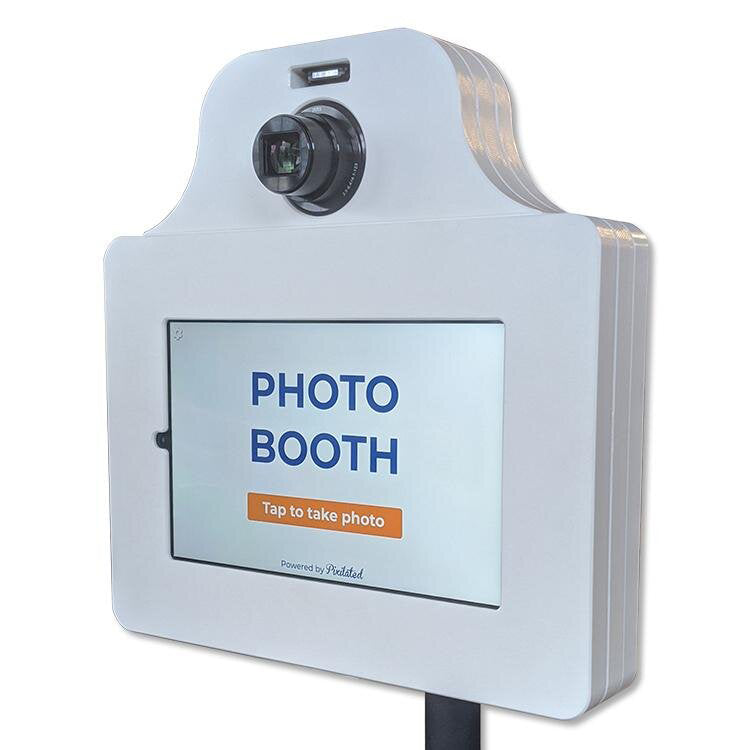
The Photo Booth: Evolution, Technology & Event Impact
Pixilated Photo BoothThe photo booth has transformed from a quirky novelty into an indispensable event marketing tool and memory-making machine. What started as a simple automated photography station in the 1920s has evolved into a sophisticated blend of hardware, software, and social connectivity that drives engagement at events ranging from corporate conferences to intimate weddings. Understanding this evolution and the current capabilities of modern photo booth technology helps event planners, marketers, and hosts create more impactful experiences for their guests.
The Historical Significance of Photo Booth Technology
The photo booth industry traces its roots back to 1925, when Anatol Josepho invented the first automated photographic machine in New York City. The history of photo booths reveals a fascinating journey through technological innovation and cultural adoption. Within the first six months of operation, Josepho's machine generated over $1 million in revenue, demonstrating immediate public fascination with self-service photography.
Throughout the decades, the photo booth became more than just a photography tool. It emerged as a cultural artifact embraced by artists like Salvador Dalí and Andy Warhol, who recognized its unique ability to capture candid, unpolished moments. The 100-year history of photobooths showcases how this technology became beloved by celebrities and everyday people alike.
From Analog to Digital Revolution
The transition from chemical-based photography to digital imaging fundamentally changed what the photo booth could accomplish. Early machines required chemical processing, limiting their flexibility and speed. Digital technology eliminated these constraints, enabling:
- Instant image review and retakes
- Unlimited photo sessions without film costs
- Immediate digital sharing via email and SMS
- On-screen customization and filters
- Integration with social media platforms
This digital transformation expanded the photo booth's role from simple documentation to interactive entertainment and marketing engine.
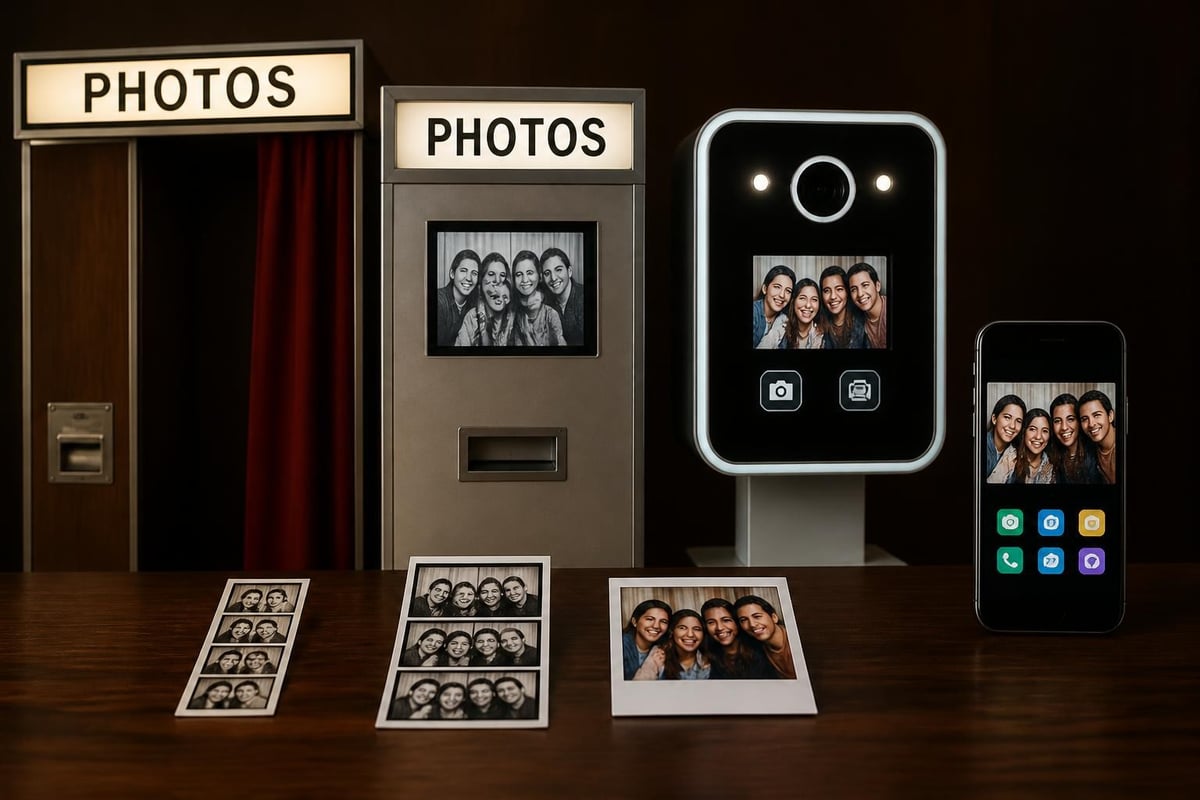
Modern Photo Booth Applications Across Industries
Today's photo booth serves multiple strategic purposes beyond creating keepsake images. Organizations across various sectors leverage this technology to achieve specific business objectives and enhance attendee experiences.
Corporate Events and Brand Activation
Businesses utilize the photo booth as a data collection and brand engagement tool at trade shows, product launches, and company celebrations. The ability to customize interfaces with corporate branding transforms a simple photo station into a memorable brand touchpoint. Companies can capture email addresses, integrate custom messaging, and create shareable content that extends their brand reach beyond the physical event.
For corporate gatherings, company holiday party photo booth packages provide comprehensive solutions that align with professional settings while maintaining the fun factor that drives employee engagement. The photo booth becomes both an entertainment feature and a tool for building company culture.
Wedding and Private Celebration Integration
The photo booth has become a wedding reception staple, with couples appreciating its dual function as guest entertainment and memory creation. Modern wedding photo booths offer sophisticated customization options that match ceremony aesthetics while providing guests with instant keepsakes. The technology allows for personalized overlays featuring couple names, wedding dates, and thematic designs that complement overall event styling.
Understanding wedding photo booth rental options helps couples select features that align with their vision and guest experience goals. The ability to share photos instantly via text or email means wedding guests can access their images immediately, increasing social sharing and extending the celebration's digital footprint.
Educational Institution Engagement
Universities and colleges deploy photo booth technology at orientation events, homecoming celebrations, alumni gatherings, and recruitment activities. These institutions recognize that photo experiences create positive associations with campus culture and provide shareable content that prospective students value when evaluating schools.
The photo booth serves as a natural gathering point where students interact, creating organic networking opportunities while generating authentic promotional content that institutions can leverage in their marketing materials.
Technical Innovation Shaping 2026 Photo Booth Experiences
The photo booth landscape continues evolving rapidly, with photo booth technology innovations in 2026 introducing capabilities that seemed impossible just years ago. These advancements focus on enhancing user experience, improving image quality, and expanding creative possibilities.
AI-Powered Enhancement Features
Artificial intelligence integration represents one of the most significant shifts in photo booth functionality. Modern systems now incorporate:
| AI Feature | Functionality | Benefit |
|---|---|---|
| Real-time beautification | Automatic skin smoothing and enhancement | More flattering images without post-processing |
| Background removal | Instant green screen effects | Creative flexibility without physical props |
| Pose guidance | On-screen positioning suggestions | Better composition and group photos |
| Facial recognition | Automatic tagging and organization | Simplified photo retrieval for large events |
These AI capabilities elevate the photo booth from a simple capture device to an intelligent photography assistant that helps users create professional-quality images without technical expertise.
Mobile-First Connectivity
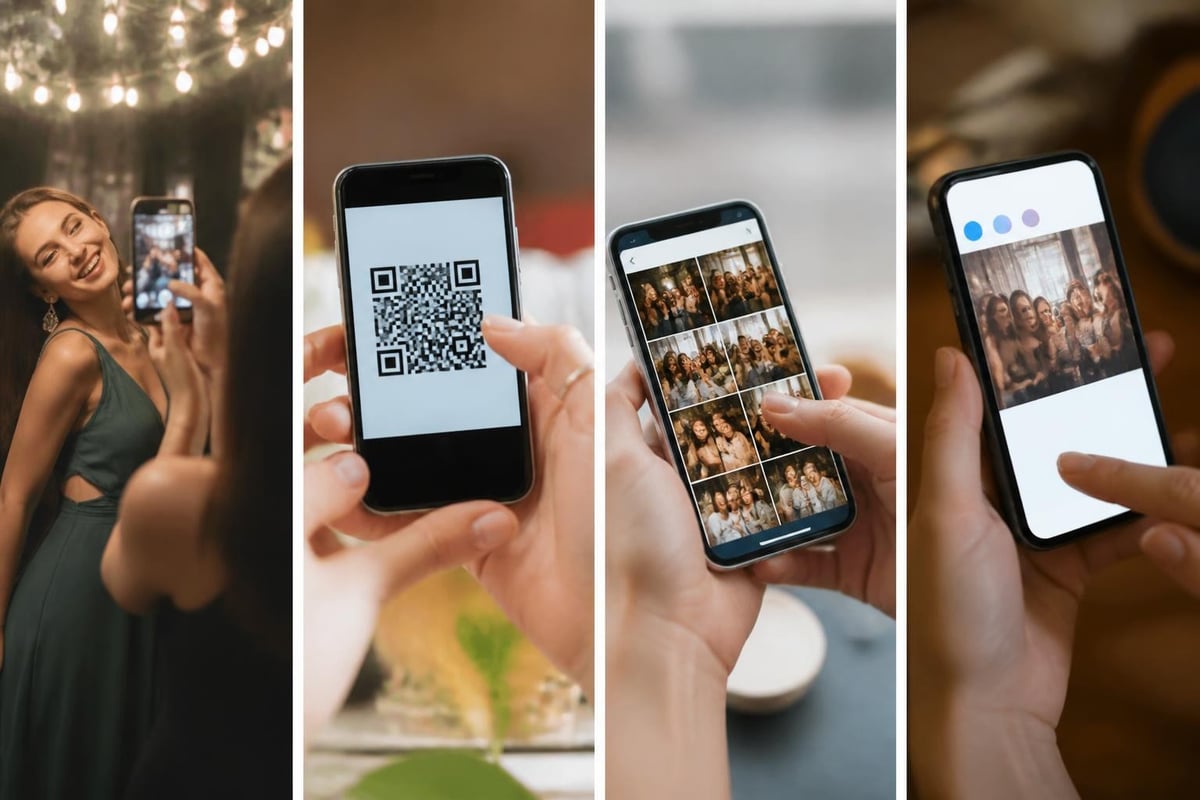
The shift toward mobile-centric experiences has fundamentally changed how users interact with the photo booth. Rather than relying solely on email delivery, modern systems enable instant photo access through QR codes, text messages, and direct social media posting. This immediate gratification aligns with contemporary expectations for instant digital content.
Event attendees now expect seamless integration between their mobile devices and event technology. The photo booth that can deliver images to a smartphone within seconds of capture provides a superior experience compared to systems requiring email input or delayed delivery.
DIY Photo Booth Rental Models Versus Traditional Services
The emergence of self-service photo booth rentals has disrupted the traditional model requiring on-site attendants and complex logistics. This shift empowers event hosts to control costs while maintaining professional-quality results.
Advantages of Self-Service Systems
DIY photo booth rentals eliminate several pain points associated with traditional staffed services:
- Cost efficiency: No attendant fees or gratuities required
- Flexibility: Operate on your schedule without hourly limitations
- Privacy: Intimate events maintain their personal atmosphere
- Control: Direct management of settings and customization
- Extended use: Multi-day availability without additional staffing costs
Organizations hosting multi-day conferences or festivals find particular value in self-service models. The step-by-step DIY photo booth instructions demonstrate that setup complexity is minimal with modern plug-and-play systems.
For events requiring extended rental periods, the ability to add time in 24-hour increments through additional day extensions provides flexibility that traditional services struggle to match cost-effectively.
When Professional Staffing Makes Sense
Despite the advantages of DIY systems, certain scenarios benefit from attended services:
- High-volume corporate events where dedicated support ensures continuous operation
- Complex technical requirements involving custom integrations
- VIP experiences where white-glove service aligns with event prestige
- Inexperienced hosts who prefer hands-off solutions
The decision between DIY and staffed services ultimately depends on event complexity, budget parameters, and host comfort with technology.
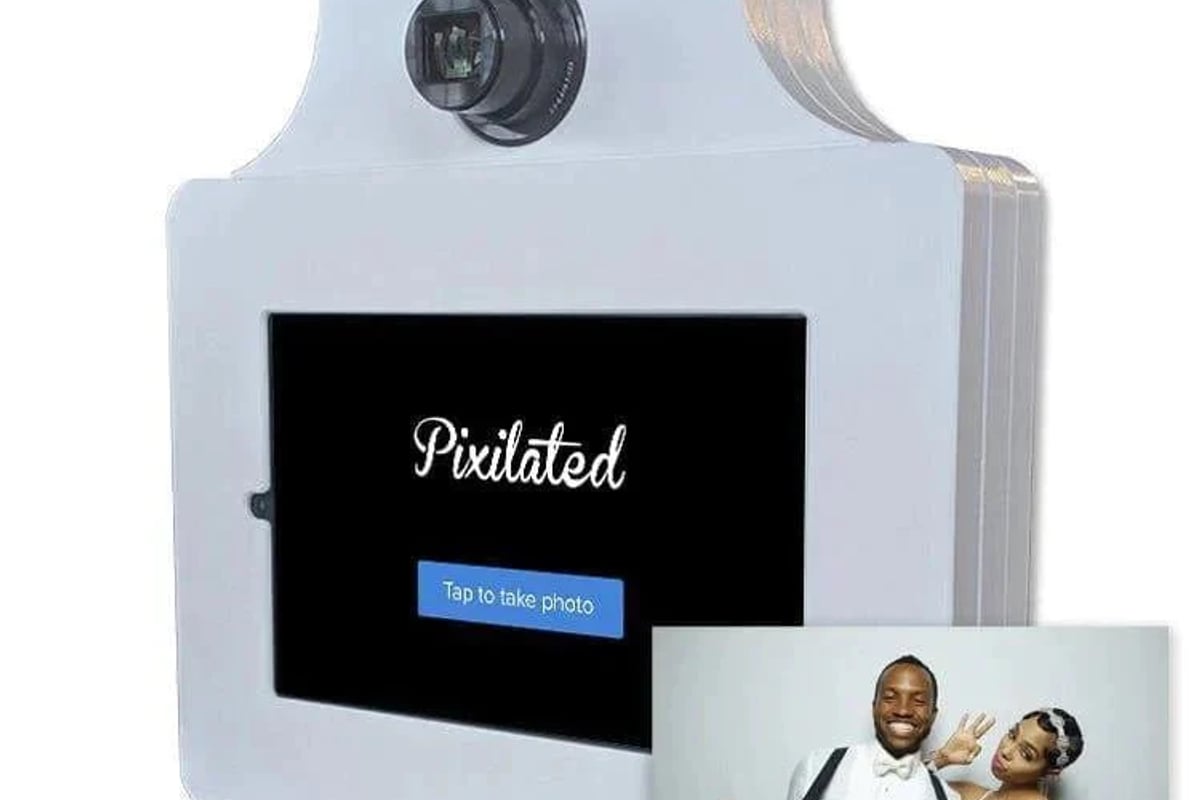
Maximizing Engagement Through Strategic Photo Booth Placement
Location selection significantly impacts the photo booth utilization rate and overall event success. Strategic placement considers traffic flow, visibility, lighting conditions, and proximity to other event elements.
High-Traffic Versus Experience Zones
Event planners must balance visibility with experience quality when selecting photo booth locations:
High-Traffic Placements:
- Near entrance or registration areas
- Adjacent to food and beverage stations
- Central gathering spaces
- Main thoroughfares between event sections
Experience-Focused Placements:
- Designated photo experience zones
- Quieter corners with controlled lighting
- Themed areas that complement photo backdrops
- Semi-private spaces for intimate photos
The ideal placement often depends on event objectives. Brand activation scenarios prioritize maximum visibility and throughput, while wedding receptions might favor locations that don't disrupt ceremony flow or dinner service.
Lighting and Environmental Considerations
The photo booth produces optimal results when environmental factors support quality image capture. Natural lighting can create unpredictable results, while harsh overhead fluorescents may produce unflattering shadows. Most modern photo booths include supplemental lighting, but placement still matters.
Consider these environmental factors:
- Avoid direct sunlight that creates harsh shadows
- Position away from colored lighting that affects color balance
- Ensure adequate space for groups and props
- Provide nearby power access for continuous operation
- Consider backdrop compatibility with venue aesthetics
Outdoor events present unique challenges requiring solutions like Wi-Fi hotspot rentals to ensure reliable connectivity when venue internet is unavailable or unreliable.
Data Collection and Marketing Integration Strategies
Forward-thinking organizations recognize the photo booth as a valuable data collection tool that generates qualified leads while providing entertainment value. This dual functionality makes it particularly effective for B2B marketing applications.
Compliance and Permission-Based Marketing
Modern privacy regulations require transparent data collection practices. Effective photo booth marketing strategies incorporate clear opt-in mechanisms that comply with GDPR, CCPA, and other privacy frameworks while building permission-based marketing lists.
Best practices include:
- Clear on-screen disclosure of data usage
- Optional email/SMS input (not mandatory for photo access)
- Explicit consent checkboxes for marketing communications
- Privacy policy links accessible during the experience
- Post-event follow-up that respects user preferences
Organizations exploring photo booths in B2B lead generation discover that transparency actually improves conversion rates by building trust with potential customers.
Post-Event Nurture Campaigns
The real marketing value emerges after the event concludes. Photo booth participants have self-identified as engaged prospects who enjoyed a positive brand interaction. This warm introduction provides an ideal foundation for nurture campaigns.
| Campaign Element | Implementation | Expected Outcome |
|---|---|---|
| Thank you email | Send within 24 hours with photo gallery link | 40-60% open rates |
| Social proof request | Invite sharing with branded hashtag | 15-25% social engagement |
| Survey integration | Brief feedback questionnaire | Valuable audience insights |
| Product introduction | Soft promotional content with relevant offers | 5-10% click-through rates |
The key to successful post-event marketing is providing value first. Lead with the photo experience reminder before introducing commercial messages.
Customization Options That Elevate Brand Experiences
Generic photo experiences miss opportunities to create memorable brand associations. Strategic customization transforms the photo booth from entertainment amenity to powerful branding tool.
Visual Branding Elements
Comprehensive branding extends beyond simple logo placement. Consider these customization layers:
- Interface design: Custom color schemes matching brand guidelines
- Photo overlays: Branded frames, borders, and graphic elements
- Screen animations: Custom welcome screens and transition effects
- Printed outputs: Branded photo strips with marketing messages
- Email templates: Branded delivery messages with calls to action
Organizations investing in customized design with logo integration create cohesive brand experiences that reinforce messaging throughout the event journey.
Interactive Features and Engagement Mechanics
Beyond static branding, interactive elements drive deeper engagement:
- Contests and challenges: Encourage creative poses or themed photos
- Real-time galleries: Display recent photos on event screens
- Social media integration: Automatic posting with event hashtags
- Digital props: On-screen accessories and effects
- Multi-capture options: Boomerangs, GIFs, and video messages
These interactive elements extend session duration and increase sharing likelihood, amplifying event reach beyond physical attendees.
The Cultural Resurgence of Analog Aesthetics
Despite technological advancement, there's notable interest in vintage photo booth aesthetics and analog photography experiences. The revival of photo booths among younger generations reflects broader cultural trends valuing tangible, authentic experiences in an increasingly digital world.
Nostalgia Marketing and Retro Experiences
Event designers increasingly incorporate vintage visual elements that evoke classic photo booth aesthetics while leveraging modern technology's convenience. This hybrid approach delivers:
- Black-and-white filter options that mimic classic photo strips
- Vintage-inspired interface designs with modern functionality
- Retro prop selections paired with instant digital sharing
- Classic photo strip layouts available alongside modern formats
This nostalgic approach resonates particularly well with millennial and Gen Z audiences who appreciate authentic, unpolished content that contrasts with overly curated social media feeds.
Instant Print Value Proposition
While digital delivery dominates, instant print options remain popular for specific use cases. Physical photo strips provide:
- Tangible event keepsakes that don't require device storage
- Guestbook contributions for weddings and celebrations
- Immediate gratification without email delivery delays
- Unplugged experiences that encourage present-moment engagement
- Collectible mementos that stand apart from digital overflow
The photo booth that offers both instant prints and digital delivery provides maximum flexibility for diverse guest preferences.
Future-Facing Innovations and Emerging Trends
The photo booth industry continues evolving with event technology trends shaping 2026 introducing capabilities that expand creative possibilities and engagement potential.
Augmented Reality Integration
AR technology enables virtual props, backgrounds, and effects that respond to user movement and gestures. This eliminates physical prop management while offering unlimited creative possibilities. Users can select from extensive digital libraries featuring:
- Seasonal and holiday-themed elements
- Branded virtual accessories
- Animated characters and effects
- Interactive games and challenges
- Location-specific backgrounds
AR integration represents the convergence of physical and digital experiences, creating memorable moments that traditional photography cannot replicate.
360-Degree and Immersive Capture
Beyond traditional flat photography, 360-degree video capture and bullet-time effects have entered the photo booth space. These technologies create dynamic content that performs exceptionally well on social media platforms prioritizing video content.
Immersive capture methods provide:
- High-impact social media content
- Unique experiences that differentiate events
- Extended engagement time per session
- Premium positioning for high-end events
- Memorable moments that drive word-of-mouth promotion
While these technologies command premium pricing, they deliver correspondingly higher perceived value and social sharing rates.
Regional Availability and Logistics Considerations
Photo booth accessibility varies by location, with metropolitan areas offering more options than rural regions. Understanding regional availability helps event planners set realistic expectations and timelines.
Market Availability Across Major Cities
Urban markets like Dallas, Los Angeles, and Philadelphia provide extensive photo booth options with competitive pricing and diverse service models. These markets benefit from:
- Multiple vendor options enabling price comparison
- Specialized services for niche event types
- Quick delivery and setup timelines
- Extensive prop and customization libraries
- Technical support infrastructure
Smaller markets like Columbus and Savannah may have fewer local providers but often benefit from national shipping-based services that democratize access to professional equipment.
Shipping-Based DIY Models
The shipping-based rental model solves geographic availability challenges by delivering professional equipment directly to customers nationwide. This approach offers:
- Geographic flexibility: Access to premium equipment regardless of location
- Advance planning: Equipment ships days before events
- Return logistics: Prepaid shipping labels simplify returns
- Nationwide consistency: Same equipment quality across all markets
- Cost predictability: Shipping costs transparent during booking
This model particularly benefits conference and trade show applications where event locations change frequently and local vendor relationships are impractical.
The photo booth has evolved from a simple automated camera into a sophisticated engagement platform that serves marketing, entertainment, and memory-making functions simultaneously. As technology continues advancing with AI enhancement, mobile integration, and immersive capture capabilities, the strategic value of photo booth experiences will only increase for event professionals and brands seeking authentic audience connections. Whether you're planning a corporate activation, wedding celebration, or large-scale conference, Pixilated Photo Booth delivers professional-grade DIY photo booth rentals that combine cutting-edge technology with straightforward setup, giving you complete control over creating shareable photo experiences that elevate your event without the complexity of traditional staffed services.