Buy Digital Photo Booth: 2026 Investment Guide
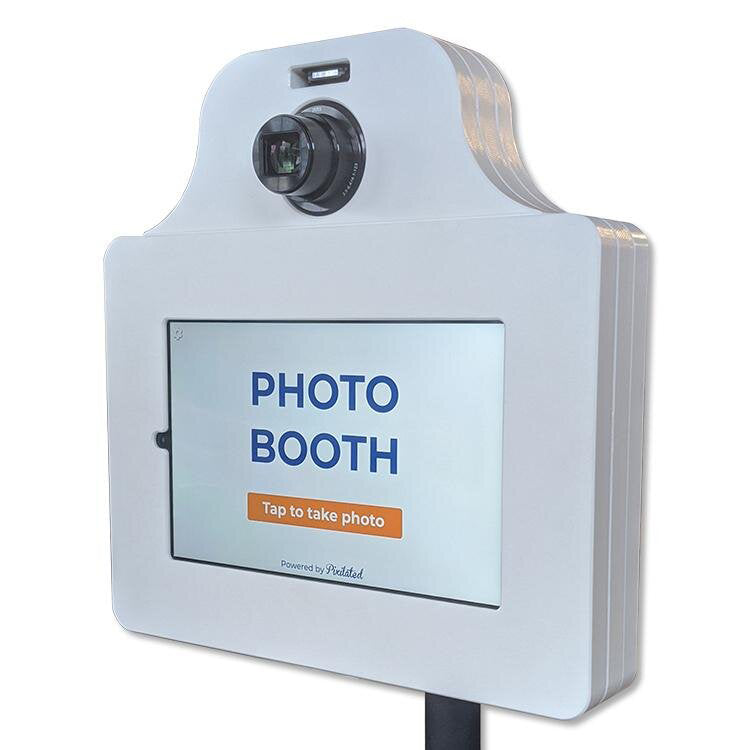
Pixilated Photo BoothThe decision to buy digital photo booth equipment represents a significant investment for event professionals, venue owners, and entrepreneurs looking to capitalize on the growing experiential marketing industry. As we navigate 2026, the digital photo booth market has evolved dramatically, offering sophisticated technology that combines instant photography with social sharing capabilities, data collection, and brand engagement tools. Understanding what to look for when you buy digital photo booth systems ensures you select equipment that aligns with your business goals, budget constraints, and target market needs.
Understanding the Digital Photo Booth Market in 2026
The photo booth industry has experienced remarkable growth over the past decade, with market statistics showing sustained expansion through 2026. Digital photo booths have become essential entertainment fixtures at weddings, corporate events, trade shows, and private celebrations. Unlike traditional analog systems, modern digital booths integrate advanced camera technology, touchscreen interfaces, instant sharing capabilities, and customizable branding options.
When you buy digital photo booth equipment today, you're investing in technology that serves multiple purposes beyond simple photography. These systems function as marketing tools, data collection platforms, and social media amplifiers. Event attendees expect seamless digital experiences, and modern photo booths deliver instant gratification through immediate sharing to smartphones and social platforms.
Market Growth and Industry Trends
The global photo booth market continues to expand, driven by increasing demand for experiential marketing and interactive event entertainment. According to industry forecasts, the sector shows strong potential for sustained growth through 2035, presenting opportunities for new entrants and established operators alike.
Several key trends shape the current landscape:
- Social media integration has become non-negotiable, with guests expecting instant upload capabilities
- Data capture features allow brands to collect valuable customer information
- Customization options enable event-specific branding and themed experiences
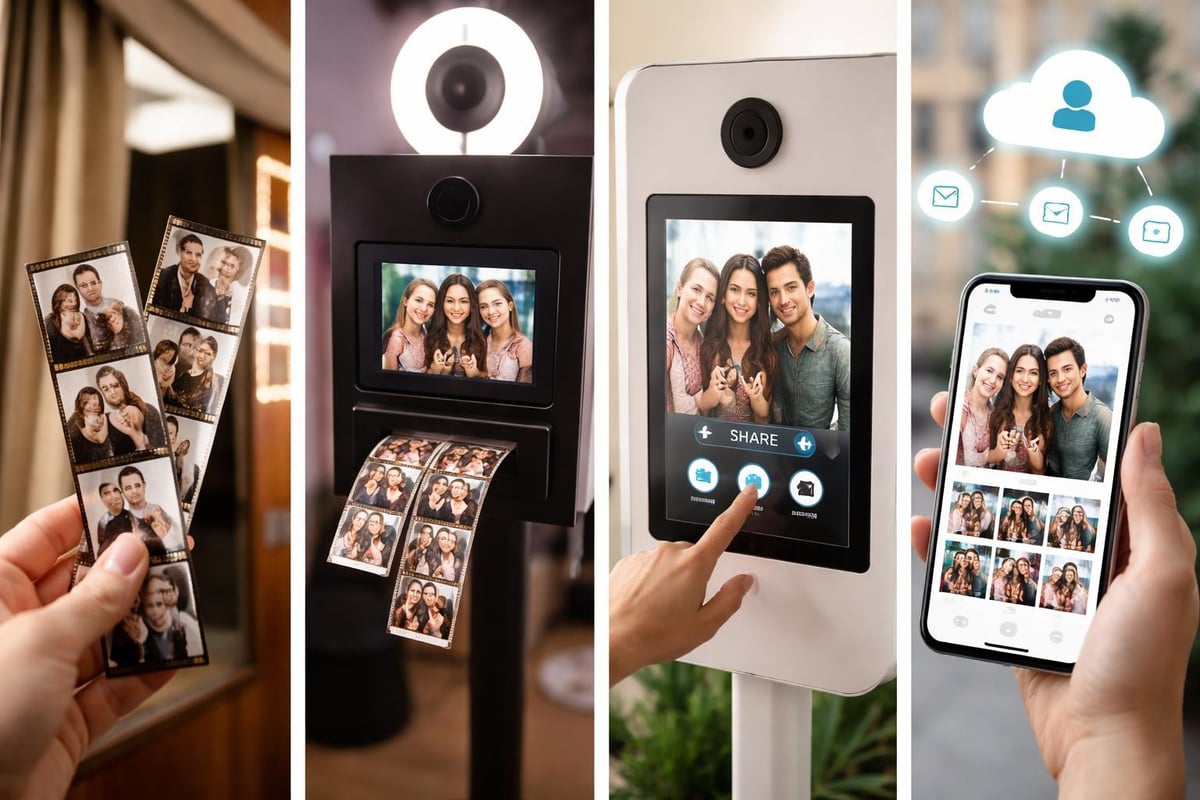
- Hybrid physical-digital experiences combine printed keepsakes with digital sharing
- AI-enhanced features like background removal and augmented reality filters
The revival of photo booths among younger generations has created sustained demand across demographic segments. This cultural shift means your investment in digital photo booth equipment enters a growing, not saturated, market.
Key Features to Consider Before You Buy Digital Photo Booth Equipment
Making an informed decision requires understanding the technical specifications and operational features that differentiate various models. Not all digital photo booths offer the same capabilities, and matching features to your intended use cases prevents costly mistakes.
Camera and Image Quality
Professional-grade image output separates successful photo booth operations from disappointing experiences. When evaluating systems, consider:
Camera resolution should meet or exceed 20 megapixels for professional quality prints and digital sharing. Lower resolution cameras may seem adequate initially but limit your ability to provide large-format prints or high-quality digital files.
Lens quality impacts image sharpness, particularly in variable lighting conditions common at events. Fixed focal length lenses optimized for group photography typically outperform zoom lenses in booth applications.
Lighting systems must provide consistent, flattering illumination across varying skin tones and event environments. Ring lights or professional flash systems ensure subjects appear their best regardless of ambient lighting conditions.
| Feature | Entry Level | Professional Grade | Premium Systems |
|---|---|---|---|
| Camera Resolution | 12-16 MP | 20-24 MP | 24+ MP |
| Lens Type | Standard zoom | Fixed portrait lens | Professional prime |
| Lighting | LED panels | Ring light | Studio flash system |
| Print Quality | 4x6 standard | 4x6 premium | Multiple sizes |
Software Capabilities and User Interface
The software platform powering your digital photo booth determines operational efficiency and user experience. Modern systems should offer:
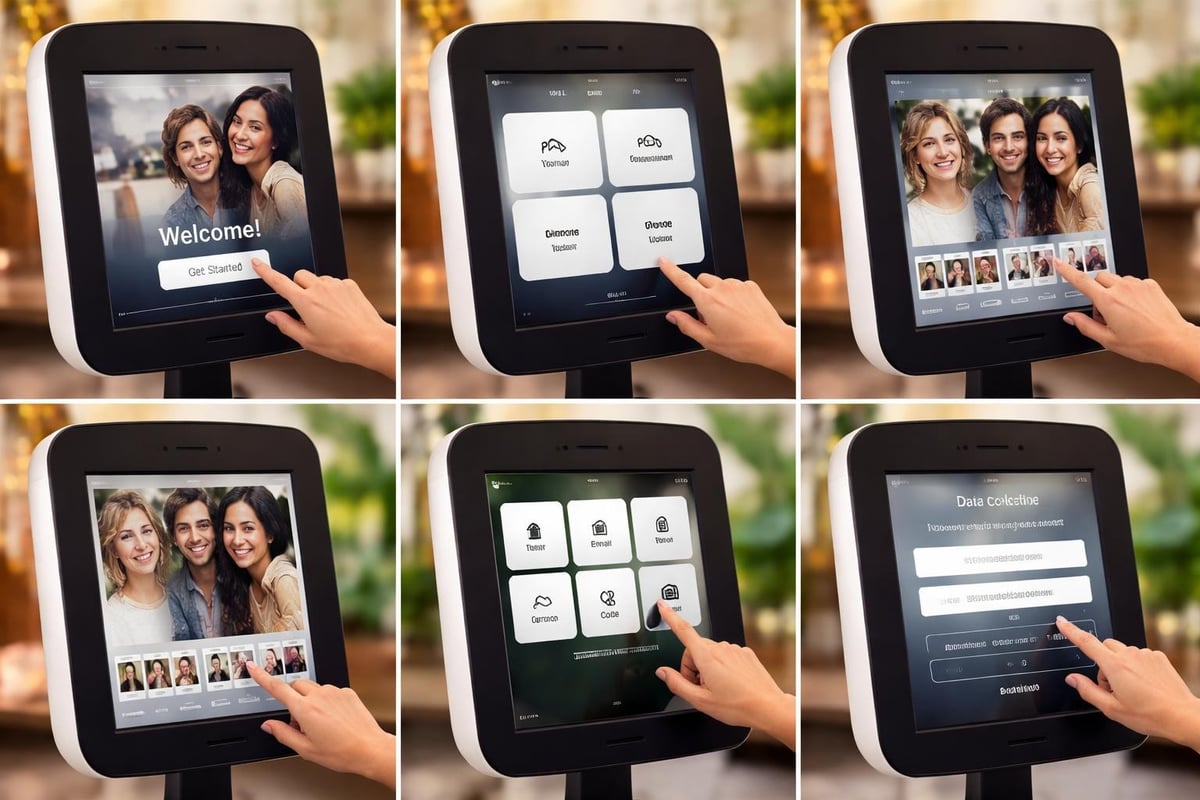
- Intuitive touchscreen interfaces that require no instruction for guests
- Customizable templates for different event types and branding needs
- Multiple capture modes including single shots, photo strips, GIFs, and boomerangs
- Email and SMS delivery for instant digital sharing
- Social media integration with direct posting capabilities
- Data collection tools for lead generation and marketing purposes
When you buy digital photo booth software, prioritize platforms that receive regular updates and offer responsive technical support. Legacy systems may lack compatibility with newer smartphones and social platforms, limiting their usefulness as technology evolves.
Business Models and Investment Considerations
The financial aspects of your purchase decision extend beyond the initial equipment cost. Understanding total cost of ownership and potential revenue streams helps justify your investment and select the appropriate system tier.
Rental Business vs. In-House Event Use
Your intended business model significantly influences which equipment to buy. Rental operators require durable, portable systems designed for frequent transportation and setup by various users. Features like ruggedized cases, simplified assembly, and comprehensive instruction materials become critical.
Venue owners and event planners using booths exclusively for in-house events can prioritize aesthetic design and advanced features over portability. Permanent or semi-permanent installations allow for more sophisticated setups and integrated environmental design.
For those operating a corporate event photo booth rental business, consider models that emphasize branding capabilities and data collection features that appeal to business clients. Corporate customers typically pay premium rates for sophisticated analytics and lead capture capabilities.
Pricing Tiers and What They Include
Digital photo booth systems span a wide price range, from entry-level consumer models under $2,000 to professional systems exceeding $15,000. Understanding what each tier offers helps align your budget with realistic capabilities:
Entry-level systems ($1,500-$4,000) typically include:
- Basic DSLR or mirrorless camera
- Standard touchscreen tablet interface
- Simple lighting setup
- Entry-level software with limited customization
- Basic sharing capabilities
Mid-range systems ($4,000-$8,000) add:
- Professional-grade cameras with superior low-light performance
- Larger, more responsive touchscreen displays
- Advanced lighting with multiple settings
- Robust software with extensive template libraries
- Green screen capabilities
- Professional-grade printers
Premium systems ($8,000-$15,000+) provide:
- Top-tier camera equipment with exceptional image quality
- Large-format touchscreens with commercial-grade durability
- Studio-quality lighting systems
- Enterprise software with unlimited customization
- Advanced features like 360-degree video, augmented reality filters
- Comprehensive analytics and reporting tools
Technical Requirements and Setup Considerations
Successfully operating digital photo booth equipment requires understanding technical requirements and logistical considerations that affect day-to-day functionality.
Power and Connectivity Requirements
Most digital photo booths require standard electrical power, though battery-powered options exist for outdoor or remote locations. Calculate your power needs based on:
- Camera and computer power consumption (typically 100-300 watts)
- Lighting requirements (can range from 50-500 watts depending on system)
- Printer power draw if offering physical prints (300-500 watts during printing)
- Backup battery capacity for locations without guaranteed electrical access
Internet connectivity has become essential for modern photo booth operations. While some systems offer offline modes, full functionality typically requires reliable internet for:
- Email and SMS delivery of digital images
- Social media posting and sharing
- Cloud backup of photos
- Remote monitoring and troubleshooting
- Software updates and license verification
For outdoor events or venues with unreliable internet, solutions like dedicated Wi-Fi hotspot rentals ensure your photo booth maintains full functionality regardless of venue infrastructure. This connectivity guarantee prevents disappointed guests and protects your professional reputation.
Space and Setup Requirements
Different photo booth configurations require varying amounts of floor space and setup time. When you buy digital photo booth equipment, verify that your typical venues can accommodate the system:
Open-air booths require approximately 8x8 feet of floor space to accommodate the camera setup, backdrop, and guest staging area. These configurations offer flexibility and can handle larger groups but need adequate surrounding space.
Enclosed booths need 5x5 feet minimum for the structure itself, plus clearance for entry and exit. While more space-efficient in some ways, enclosed booths limit group size and may feel cramped for guests wearing formal attire or elaborate costumes.
Setup time ranges from 15 minutes for simple systems to over an hour for complex installations with custom backdrops, extensive lighting, and integrated props. Factor realistic setup and breakdown times into your pricing and scheduling.
Evaluating Print Options and Physical Output
Despite the digital age, physical prints remain highly valued by photo booth users. The tangible keepsake creates lasting memories and serves as a physical reminder of your brand or event.
Print Technology Comparison
| Technology | Print Speed | Cost per Print | Quality | Durability |
|---|---|---|---|---|
| Dye Sublimation | 8-12 seconds | $0.25-$0.50 | Excellent | 10+ years |
| Inkjet | 15-30 seconds | $0.15-$0.35 | Good | 3-5 years |
| Instant Film | 5 seconds (develop: 90 sec) | $0.75-$1.50 | Nostalgic | Variable |
| No Printer (Digital Only) | N/A | $0 | N/A | N/A |
Dye sublimation printers represent the industry standard for professional photo booth operations. They produce vibrant, long-lasting prints resistant to fading and water damage. While the per-print cost exceeds inkjet, the superior quality justifies the expense for premium events.
Digital-only configurations eliminate printing costs entirely while reducing equipment complexity and maintenance. This approach works well for environmentally conscious events, budget-conscious operators, or situations where instant digital sharing takes priority over physical mementos.
Consider your target market's expectations when deciding whether to buy digital photo booth equipment with integrated printing. Wedding photo booth rental clients typically expect physical prints as keepsakes, while corporate events may prioritize digital sharing and lead capture over printed output.
Software Licensing and Ongoing Costs
The initial equipment purchase represents only part of your total investment. Software licensing, consumables, and maintenance create ongoing operational expenses that affect long-term profitability.
Subscription vs. Perpetual Licenses
Photo booth software typically follows one of two licensing models:
Subscription-based software ($30-$150 monthly) provides:
- Regular updates with new features and security patches
- Cloud storage for photos and customer data
- Ongoing technical support
- Access to expanding template libraries
- Compatibility with new devices and platforms
Perpetual licenses ($500-$3,000 one-time) offer:
- Unlimited use without recurring fees
- Offline operation capability
- No dependency on vendor continuation
- Lower long-term cost for established operators
When you buy digital photo booth software, consider your growth trajectory and technical expertise. Subscription models reduce initial investment and ensure access to current technology, while perpetual licenses benefit experienced operators with stable requirements.
Consumable and Maintenance Expenses
Budget for ongoing costs beyond the initial equipment purchase:
- Printing supplies: Paper and ribbon for 200-300 prints typically costs $50-$75
- Replacement parts: Touchscreens, cables, and minor components require periodic replacement
- Software updates: Even perpetual licenses may charge for major version upgrades
- Equipment insurance: Protects your investment against damage, theft, and liability
- Cleaning and maintenance: Professional equipment cleaning and calibration
These recurring expenses vary based on usage volume but typically represent 15-25% of gross revenue for rental operations.
Vendor Selection and Support Considerations
Choosing where to buy digital photo booth equipment matters as much as selecting the specific model. Vendor reputation, support quality, and business stability affect your long-term success.
What to Look for in Suppliers
Industry experience indicates vendor understanding of operator needs and market dynamics. Suppliers with extensive photo booth backgrounds provide more relevant guidance than general electronics retailers.
Technical support availability becomes critical when equipment malfunctions hours before an event. Prioritize vendors offering:
- Extended support hours including evenings and weekends
- Multiple contact methods (phone, email, live chat)
- Remote troubleshooting capabilities
- Comprehensive documentation and training resources
- Active user communities for peer support
Warranty coverage protects your investment against manufacturing defects and premature failures. Standard warranties typically cover one year, though some premium manufacturers offer extended coverage. Understand what's included: parts only, or parts and labor? On-site service, or return-to-depot repairs?
Training and Onboarding Support
Maximizing your equipment investment requires thorough understanding of all features and capabilities. Quality vendors provide:
- Initial training sessions covering setup, operation, and troubleshooting
- Written documentation including quick-start guides and comprehensive manuals
- Video tutorials demonstrating advanced features and creative applications
- Ongoing education about new features, best practices, and industry trends
The learning curve for professional photo booth operation extends beyond basic picture-taking. Mastering software customization, troubleshooting technical issues, and optimizing user experience separates profitable operators from struggling beginners.
Customization and Branding Capabilities
Modern clients expect personalized experiences that reflect their unique style or corporate identity. When you buy digital photo booth systems, customization capabilities directly impact your market positioning and pricing power.
Template Design and Flexibility
Pre-designed templates provide starting points for common event types: weddings, corporate events, birthdays, and holidays. Quality systems include extensive template libraries covering diverse aesthetic preferences from elegant to playful.
Custom design capabilities allow you to create branded experiences tailored to specific clients or events. Essential customization features include:
- Logo placement and sizing controls
- Color scheme modification to match event themes
- Custom text fields for names, dates, and messages
- Background pattern and texture options
- Font selection and typography controls
Professional operators often offer customized design services that command premium pricing. The ability to deliver fully branded booth experiences differentiates your offering from generic alternatives and appeals to corporate clients with specific brand guidelines.
Advanced Features and Emerging Technologies
The digital photo booth industry continues to evolve with emerging trends and innovations that enhance user engagement and create memorable experiences. Consider which advanced features align with your target market:
Green screen technology enables virtual backgrounds, transporting guests to exotic locations or branded environments. This feature particularly appeals to corporate clients seeking immersive brand experiences.
GIF and boomerang creation produces shareable content optimized for social media platforms. These animated formats generate higher engagement than static photos and appeal to younger demographics.
Augmented reality filters overlay digital elements onto photos in real-time, from playful accessories to sophisticated brand integration. AR capabilities represent the cutting edge of photo booth technology in 2026.
360-degree video capture creates dramatic slow-motion videos from multiple angles, producing viral-worthy content that drives social sharing and brand awareness. These systems command premium pricing but require significant space and setup time.
Making the Purchase Decision
After evaluating features, vendors, and business models, the final purchase decision requires synthesizing multiple factors into a coherent strategy aligned with your goals and resources.
Matching Equipment to Your Business Plan
Your target market determines appropriate feature sets and investment levels. Consider:
Wedding-focused operators should prioritize print quality, elegant template options, and reliable operation. Brides expect flawless execution, and equipment failures at weddings damage reputation irreparably. Investment in premium, reliable systems pays dividends through referrals and positive reviews.
Corporate event specialists need robust data collection, extensive branding capabilities, and professional aesthetics. Corporate clients pay premium rates for sophisticated features and reliable service. Your equipment should project professionalism and technical competence.
Multi-market operators serving diverse event types benefit from versatile systems with extensive customization options. Flexibility to serve weddings, corporate events, and social celebrations maximizes booking potential and revenue opportunities.
Financing and ROI Calculations
Understanding return on investment helps justify purchase decisions and select appropriate price points. Calculate potential revenue based on:
- Target pricing for your market (research competitor rates and typical photo booth rental costs)
- Expected bookings per month (conservative estimates for new operators: 2-4 events monthly)
- Operating expenses including consumables, transportation, and time
- Equipment lifespan (typically 3-5 years for heavily used rental equipment)
A $6,000 photo booth system generating $400 per event with 3 bookings monthly produces $14,400 annual revenue. Subtracting 25% for operating expenses yields $10,800 net annual revenue, recovering the initial investment in approximately 7 months.
New vs. Used Equipment Considerations
The used photo booth market offers potential cost savings but carries additional risks:
Benefits of used equipment:
- Lower initial investment (typically 40-60% of new price)
- Immediate availability without manufacturing delays
- Proven track record of actual performance
- Possible inclusion of accessories and supplies
Risks to consider:
- Unknown usage history and remaining lifespan
- Limited or no warranty coverage
- Outdated technology or discontinued software
- Hidden damage or deferred maintenance
- No vendor support or training
For first-time buyers, new equipment from reputable vendors typically represents the safer choice despite higher costs. Established operators with technical expertise may successfully incorporate used systems as backup equipment or entry-level offerings.
Integration with Existing Business Operations
Successfully incorporating photo booth services requires considering how new equipment integrates with your existing workflows, marketing, and customer service processes.
Operational Workflow Development
Efficient operations maximize profitability and ensure consistent service quality. When you buy digital photo booth equipment, simultaneously develop standardized procedures for:
- Client consultation and booking to understand requirements and set expectations
- Pre-event preparation including template customization and equipment testing
- Transportation and logistics ensuring safe, timely delivery to venues
- On-site setup and testing verifying all systems before guests arrive
- Event monitoring addressing issues and ensuring smooth operation
- Breakdown and departure leaving venues clean and undamaged
- Post-event delivery providing digital images and data to clients
- Equipment maintenance cleaning, restocking, and readying for next use
Documented procedures reduce errors, speed training of additional staff, and ensure quality remains consistent as your business scales.
Marketing Your Photo Booth Services
Quality equipment means little without effective marketing to generate bookings. Successful photo booth marketing strategies include:
Portfolio development showcasing your booth at diverse events and demonstrating customization capabilities. High-quality photos and videos of your equipment in action prove professionalism and attract ideal clients.
Social media marketing leveraging the inherently shareable nature of photo booth content. Encourage clients to tag your business when guests share booth photos, generating organic exposure to relevant audiences.
Strategic partnerships with event planners, venues, and complementary service providers. Relationships with wedding planners, corporate event coordinators, and venues generate consistent referrals and preferred vendor status.
Search engine optimization ensuring your website ranks for relevant local searches. Target keywords like your city name plus "photo booth rental" to capture high-intent searchers ready to book.
Long-Term Success Factors
Building a sustainable photo booth business extends beyond the initial equipment purchase to encompass ongoing adaptation and professional development.
Staying Current with Technology
The photo booth industry evolves rapidly, with camera technology improvements and software innovations regularly introducing new capabilities. Successful operators:
- Attend industry trade shows and conferences to discover emerging technologies
- Participate in online communities and forums sharing best practices
- Invest in ongoing education about photography, event production, and customer service
- Budget for periodic equipment upgrades maintaining competitive positioning
- Test new features and services with existing clients before full rollout
Building Competitive Advantages
As more operators enter the market, differentiation becomes increasingly important. Consider how to distinguish your services:
Specialized niche focus serving specific market segments with tailored offerings. Examples include high-end weddings, corporate branding activations, or nonprofit fundraising events.
Superior customer service responding quickly to inquiries, accommodating special requests, and exceeding expectations. Exceptional service generates referrals and positive reviews that justify premium pricing.
Unique features or add-ons offering capabilities competitors lack. This might include specialized props, custom backdrops, integrated social media campaigns, or unique print formats.
Value-added services bundling photo booth rental with complementary offerings like event planning consultation, social media management, or professional photography.
Measuring and Improving Performance
Data-driven decision making improves business outcomes and identifies opportunities for optimization. Track key metrics including:
- Booking conversion rate from inquiries to confirmed reservations
- Average transaction value including base rental and add-ons
- Customer acquisition cost for each marketing channel
- Customer satisfaction scores from post-event surveys
- Equipment utilization rate measuring bookings vs. available dates
- Repeat customer percentage indicating satisfaction and loyalty
Regular analysis of these metrics reveals trends, validates assumptions, and guides strategic planning for sustainable growth.
Investing in digital photo booth equipment represents an exciting opportunity for entrepreneurs, event professionals, and venue owners looking to capitalize on the growing experiential marketing industry. By carefully evaluating features, understanding total cost of ownership, selecting reputable vendors, and developing comprehensive business strategies, you position yourself for success in this dynamic market. Pixilated Photo Booth offers modern, DIY photo booth solutions that make it easy to deliver professional experiences without the complexity of traditional staffed systems, whether you're purchasing equipment or exploring rental options to test the market before making a significant investment.