Photos in a Box: Organizing & Preserving Your Memories
Pixilated Photo BoothPreserving cherished memories requires more than simply tossing prints into a container and hoping for the best. Whether you're managing event photography from celebrations, organizing family albums, or archiving corporate brand activations, understanding proper photo storage transforms how you protect these irreplaceable moments. The concept of photos in a box has evolved from a casual storage method into a sophisticated preservation strategy that combines archival science with practical organization, ensuring your images remain vibrant and accessible for decades to come.
Understanding Archival-Quality Photo Storage
The materials you choose for storing photos in a box directly impact their longevity and condition. Not all boxes provide equal protection against the environmental factors that degrade photographs over time.
What Makes Storage Materials Archival-Grade
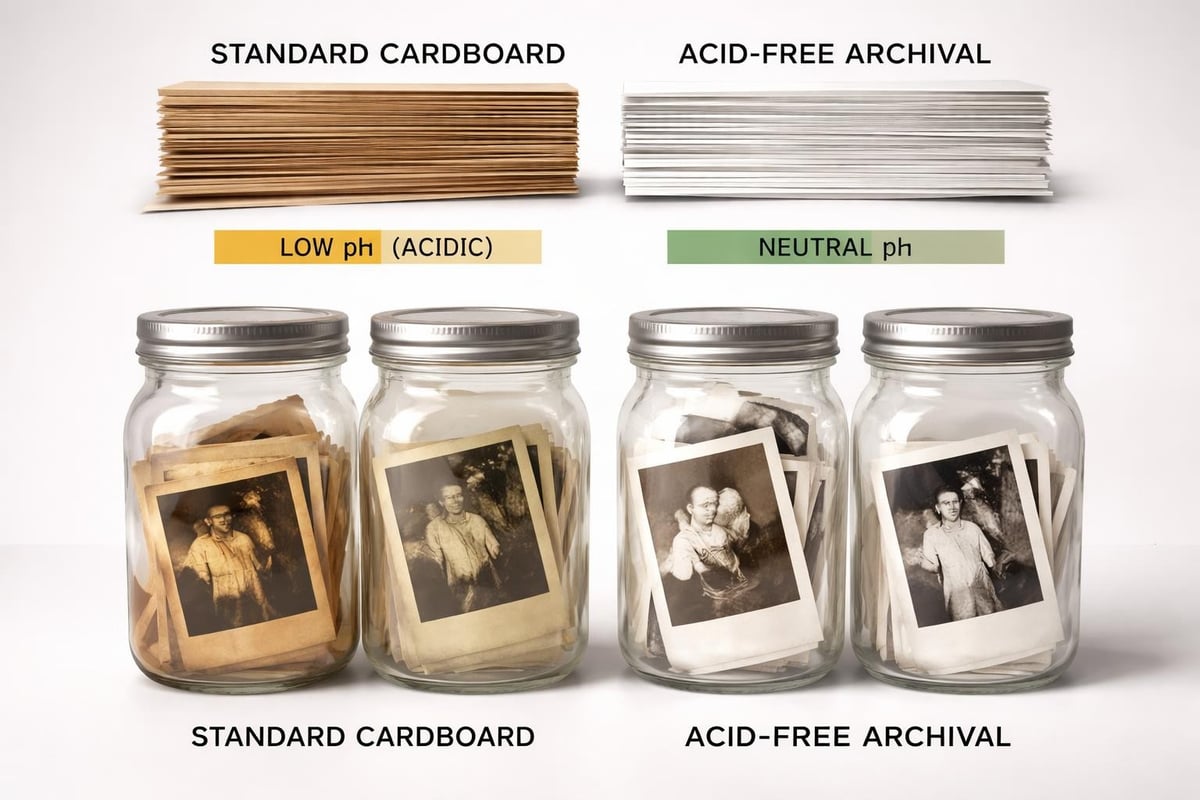
Professional archivists rely on specific criteria when selecting storage containers. Acid-free materials prevent the chemical reactions that cause yellowing, brittleness, and image transfer. Lignin-free products eliminate the wood pulp compounds that accelerate deterioration in standard cardboard boxes.
The National Archives recommends specific storage practices that emphasize pH-neutral materials with a rating between 7.0 and 8.5. These standards apply whether you're preserving wedding photos, corporate event documentation, or family heirlooms.
Key characteristics of proper archival boxes include:
- Buffer protection that neutralizes environmental acids
- Metal edge reinforcement for structural integrity
- Dust-tight closures that prevent particle infiltration
- Light-blocking construction to minimize UV exposure
- Moisture barriers that regulate humidity fluctuations
Common Storage Box Types and Their Applications
Different photo collections require different storage solutions. Hollinger boxes have become the industry standard for archival institutions, featuring rigid construction and precise engineering that protects contents from crushing and environmental damage.
| Box Type | Capacity | Best For | Price Range |
|---|---|---|---|
| Envelope System | 200-500 photos | Chronological sorting | $15-$30 |
| High-Capacity Barrier | 1,000-1,700 photos | Large collections | $40-$75 |
| Clamshell Design | 100-300 photos | Premium preservation | $25-$50 |
| Modular Stackable | 400-800 photos | Space efficiency | $20-$45 |
Specialized archival storage solutions can accommodate extensive collections while maintaining organization. These systems work particularly well for event planners managing photos from multiple celebrations or businesses archiving brand activation imagery.
Organizing Photos in a Box Effectively
Simply choosing quality materials represents only half the preservation equation. Strategic organization ensures you can actually find and enjoy your photos while maintaining their condition.
Chronological Versus Thematic Organization
Event professionals understand the value of systematic categorization. When managing photos in a box from DIY photo booth rentals, you might organize by event date, client name, or celebration type.
Chronological systems offer:
- Easy timeline reconstruction
- Natural progression through years
- Simple addition of new photos
- Intuitive browsing experience
Thematic organization provides:
- Subject-based clustering
- Easier specific photo retrieval
- Creative comparison opportunities
- Flexible categorization options
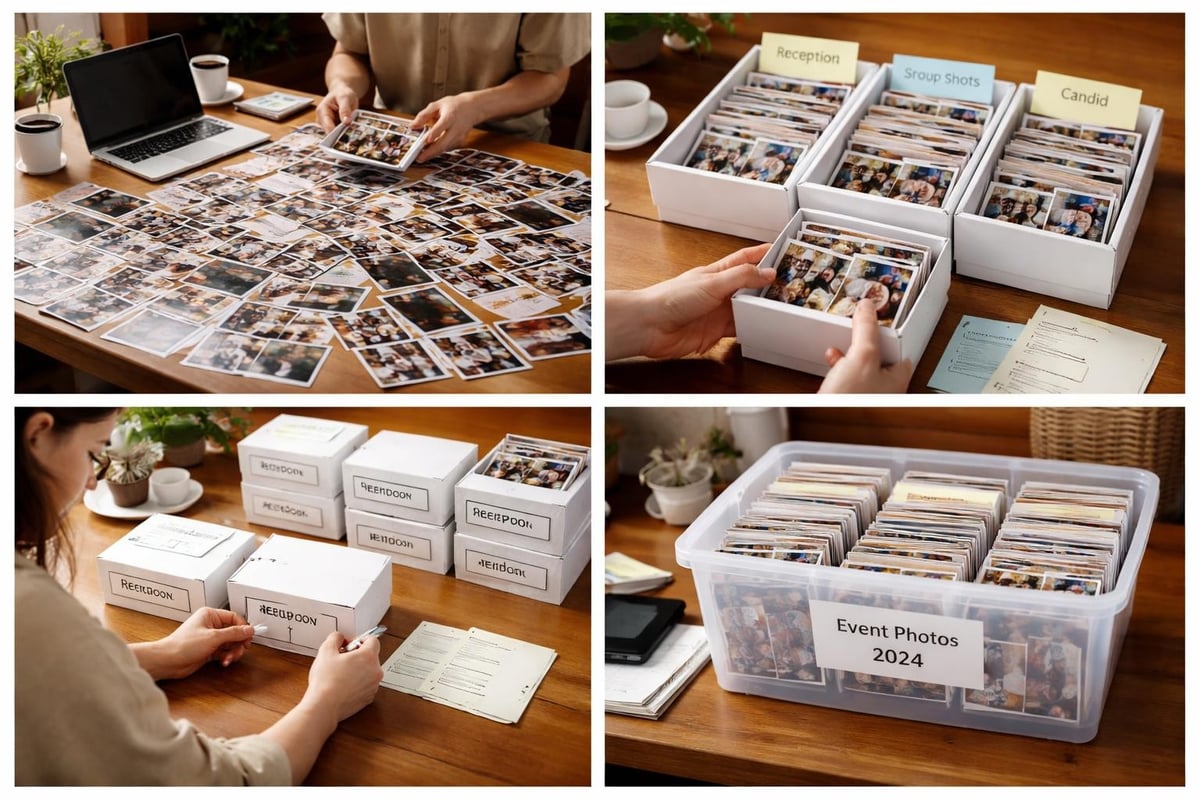
Many professionals combine both approaches, creating main chronological divisions with thematic subcategories. A wedding photographer might organize by year, then separate ceremony photos from reception images within each timeframe.
Labeling and Cataloging Systems
Effective labels transform storage boxes from mysterious containers into accessible archives. Include dates, locations, event names, and key participants on both box exteriors and individual photo sleeves.
Essential labeling information:
- Primary date (year-month-day format)
- Event or occasion name
- Location or venue
- Number of photos contained
- Special handling notes
Professional archivists often maintain parallel digital catalogs that reference physical storage locations. This dual-system approach works excellently for event companies managing photo booth documentation across numerous celebrations.
Environmental Factors in Photo Preservation
Where you store your boxes matters as much as what's inside them. Environmental conditions either preserve or destroy photographic materials.
Temperature and Humidity Control
Photographs stored in boxes face constant environmental pressure. Ideal storage conditions maintain temperatures between 65-70°F with relative humidity around 30-40%. Higher temperatures accelerate chemical degradation, while elevated humidity promotes mold growth and emulsion damage.
Basement storage often seems convenient but typically suffers from humidity fluctuations and potential flooding risks. Similarly, attics experience extreme temperature swings that stress photographic materials. Climate-controlled interior closets or dedicated archival spaces provide superior protection.
Light Exposure and Physical Protection
Even photos in a box experience light damage if containers lack proper construction or receive careless handling. Store boxes away from windows, fluorescent lighting, and direct sunlight. When accessing photos, work in moderate light conditions and minimize exposure duration.
Physical protection extends beyond the box itself. Stack containers carefully to prevent crushing, avoid placing heavy objects on top, and ensure shelving can support the accumulated weight of multiple boxes.
Digitization as Complementary Preservation
Modern preservation strategies increasingly combine physical storage with digital archiving, creating redundancy that maximizes long-term survival rates.
Professional Digitization Services
Specialized preservation services handle bulk digitization projects, converting photos in a box into high-resolution digital files. These services prove particularly valuable for extensive collections, fragile materials, or historically significant images.
Professional digitization offers advantages beyond simple scanning:
- Color correction and restoration
- Metadata embedding for searchability
- Multiple resolution outputs
- Format migration planning
- Cloud storage integration
DIY Scanning Approaches
For smaller collections or ongoing projects, consumer-level scanning provides cost-effective digitization. Mobile scanning applications leverage smartphone cameras and AI algorithms to quickly capture and organize photos, though quality typically remains lower than professional services.
| Method | Quality | Speed | Cost per Image | Best Use Case |
|---|---|---|---|---|
| Professional Service | Excellent | Moderate | $0.25-$1.00 | Valuable collections |
| Flatbed Scanner | Very Good | Slow | Equipment cost | Small batches |
| Document Scanner | Good | Fast | Equipment cost | Large volumes |
| Mobile App | Moderate | Very Fast | Free-$10/month | Casual digitization |
Event businesses using modern photo booth technology already generate digital files alongside physical prints, providing built-in redundancy that traditional photography lacks.
Creative Display Options Beyond Storage
While proper archival storage protects photos in a box for future generations, selective display lets you enjoy these memories in daily life.
Shadow Box Presentations
Shadow box displays combine preservation with decoration, showcasing selected photos alongside memorabilia in protected frames. These three-dimensional presentations work beautifully for wedding photos, milestone celebrations, or corporate event highlights.
Effective shadow box composition includes:
- Archival-quality mounting materials
- UV-protective glazing
- Acid-free backing boards
- Strategic photo selection
- Complementary memorabilia placement
Rotating Display Systems
Rather than permanently displaying all photos, rotation systems keep images fresh while limiting light exposure. Designate specific boxes for "active rotation" while maintaining long-term archives separately. This approach particularly suits event photography from photo booth rentals, where guest engagement peaks when displays change regularly.
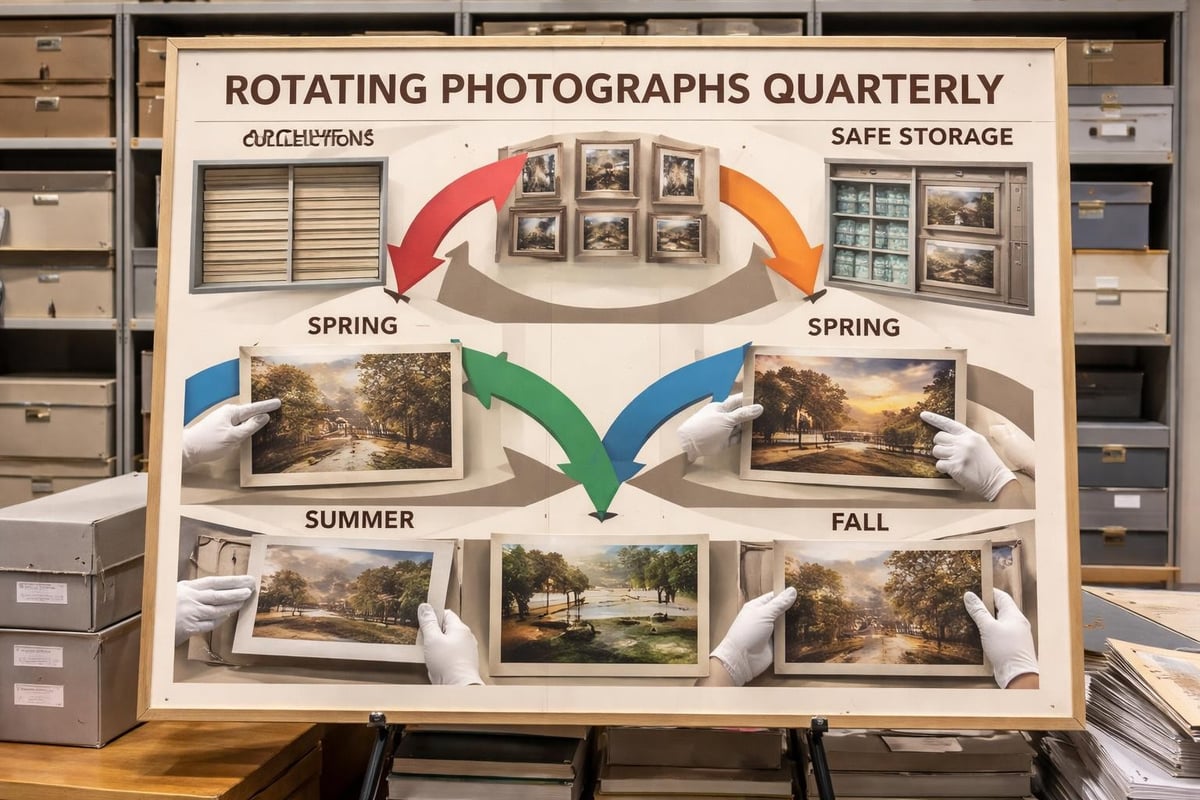
Creative display techniques range from gallery walls to digital frames, each offering unique advantages for different spaces and aesthetic preferences. The key remains balancing visibility with protection, ensuring displayed photos don't suffer while stored photos in a box remain accessible.
Maintenance and Long-Term Care
Preservation represents an ongoing commitment rather than a one-time project. Regular maintenance ensures your storage systems continue protecting their contents effectively.
Regular Inspection Schedules
Establish quarterly or semi-annual review cycles for stored photographs. During these sessions, check for environmental damage indicators like foxing (brown spots), silvering (metallic sheen), or edge deterioration. Address problems immediately before they spread through collections.
Inspection checklist items:
- Box structural integrity
- Evidence of moisture intrusion
- Pest activity indicators
- Photo condition changes
- Label legibility
- Storage environment stability
Upgrading Storage as Collections Grow
Photo collections rarely remain static. Plan for expansion by maintaining extra archival supplies and flexible organization systems. When managing event documentation from sources like photo booth rentals, anticipate regular additions and design storage systems accordingly.
Specialized Considerations for Event Photography
Event professionals and businesses face unique challenges when managing photos in a box from celebrations, corporate gatherings, and brand activations.
Client Photo Management
Companies providing event photography services must balance client access with proper archival storage. Develop systems that allow client photo delivery while maintaining master archives for portfolio use and future reference.
Understanding archival standards helps event businesses communicate value to clients while justifying premium services. Clients appreciate knowing their memories receive professional-grade preservation rather than casual storage.
Brand Activation Documentation
Corporate event planners increasingly recognize photos as valuable marketing assets beyond mere memories. Photos in a box from brand activations document experiential marketing success, providing content for case studies, social media, and future proposals.
Strategic archival categories for corporate events:
- Branded photo booth experiences
- Guest engagement documentation
- Setup and logistics reference
- Promotional material examples
- Venue configuration records
Multi-Event Organization Systems
Event businesses managing dozens or hundreds of celebrations annually require robust organization beyond typical personal archives. Implement database systems that track box locations, contents, and retrieval information.
Professional event documentation benefits from standardized workflows that begin during setup and continue through final archival storage. Photo booth rental planning should incorporate preservation considerations from initial client consultation through post-event deliverable management.
Cost-Benefit Analysis of Proper Photo Storage
Investing in quality archival materials requires upfront expenditure but delivers substantial long-term value compared to casual storage alternatives.
Comparing Storage Investment Options
| Approach | Initial Cost | 10-Year Total | Replacement Risk | Quality Preservation |
|---|---|---|---|---|
| Shoe Boxes | $0 | $0 | Very High | Poor |
| Standard Storage Boxes | $30 | $50 | High | Fair |
| Entry Archival Boxes | $100 | $120 | Low | Good |
| Premium Archival System | $300 | $350 | Very Low | Excellent |
Professional archival boxes cost significantly more initially but prevent the photo degradation that renders casual storage ultimately more expensive through irreplaceable loss.
Quantifying Preservation Value
How do you value irreplaceable memories or unique event documentation? While difficult to monetize precisely, consider replacement costs for lost photos: professional photography rates, event recreation expenses, and the reality that many moments simply cannot be recreated regardless of budget.
For businesses, archived event photos represent portfolio assets, client relationship tools, and marketing materials. Professional photo booth services generate visual content worth thousands in promotional value when properly preserved and leveraged.
Integration with Modern Photo Experiences
Contemporary event photography increasingly blends physical prints with digital sharing, creating hybrid preservation needs that traditional approaches don't fully address.
Photo Booth Print Management
Modern photo booth experiences generate both physical prints and digital files, each requiring appropriate preservation strategies. Physical prints belong in archival boxes while digital files need redundant backup systems with format migration planning.
Setting up effective photo booth systems should include downstream preservation planning. Where will prints ultimately reside? How will digital files remain accessible as technology evolves?
Balancing Instant Gratification with Long-Term Preservation
Today's event guests expect immediate digital sharing alongside physical takeaways. This dual-format approach actually enhances preservation by creating automatic redundancy. Photos in a box provide archival physical security while cloud-stored digital versions ensure accessibility and duplicate protection.
Modern photo booth technology seamlessly generates both formats, supporting comprehensive preservation strategies that previous generations couldn't easily implement.
Professional Resources and Continuing Education
Photo preservation science continues evolving as researchers discover new materials, techniques, and threats to photographic longevity.
Archival Standards Organizations
Professional archivists follow guidelines from organizations like the American Institute for Conservation and the Image Permanence Institute. These bodies publish research on photographic preservation, material testing results, and best practice recommendations.
Detailed organizational advice from archival professionals provides frameworks applicable to personal collections, business archives, and event documentation alike.
Staying Current with Preservation Technology
New archival materials, digitization technologies, and preservation techniques emerge regularly. Event professionals managing photo collections should periodically review current standards to ensure their storage methods remain optimal. Subscribe to archival newsletters, attend preservation workshops, and consult updated resources every few years.
Practical Implementation Timeline
Transforming a disorganized photo collection into properly archived materials in quality boxes feels overwhelming without a structured approach.
Phase One (Weeks 1-2): Assessment and Planning
- Estimate total photo volume
- Identify special preservation needs
- Calculate required supplies
- Establish organization schema
- Prepare workspace
Phase Two (Weeks 3-6): Sorting and Initial Organization
- Remove photos from damaging environments
- Create preliminary groupings
- Identify damaged items requiring professional attention
- Begin basic chronological sorting
- Document particularly important items
Phase Three (Weeks 7-10): Archival Transfer
- Transfer photos to archival sleeves
- Place organized sleeves in archival boxes
- Create detailed labels and catalogs
- Establish digital tracking system
- Designate proper storage location
Phase Four (Ongoing): Maintenance and Growth
- Quarterly condition inspections
- Integrate new photos systematically
- Update catalogs and databases
- Review environmental conditions
- Plan digitization priorities
Business Applications for Photo Archive Systems
Companies leveraging event photography as marketing tools or client deliverables benefit substantially from professional archival approaches to photos in a box.
Portfolio Development and Case Studies
Well-organized photo archives enable quick retrieval of specific event types, venue setups, or decoration styles when creating proposals for prospective clients. Event planning businesses can showcase relevant past work precisely because systematic archival storage makes targeted retrieval possible.
Client Relationship Management
Maintaining organized archives of client events demonstrates professionalism and enables unexpected opportunities. When clients request photos from past events or need historical documentation, businesses with proper archival systems can deliver quickly rather than scrambling through disorganized storage.
Marketing Content Libraries
Photos from brand activations and events provide ongoing marketing value when properly archived and cataloged. Social media content calendars benefit from extensive, organized photo libraries that deliver fresh material long after initial events conclude.
Preserving memories through proper photo storage combines archival science with practical organization, protecting irreplaceable moments against environmental degradation and the chaos of disorganization. Whether you're managing family photographs, building business portfolios, or documenting milestone celebrations, understanding the principles of photos in a box transforms casual storage into professional preservation. Ready to create memorable experiences that generate the photos worth preserving? Pixilated Photo Booth delivers professional DIY photo booth rentals that make every event unforgettable, shipping complete kits nationwide so you can focus on creating moments worth archiving for generations to come.