Essential Guide to Launching a Photo Booth Rental Business 2026
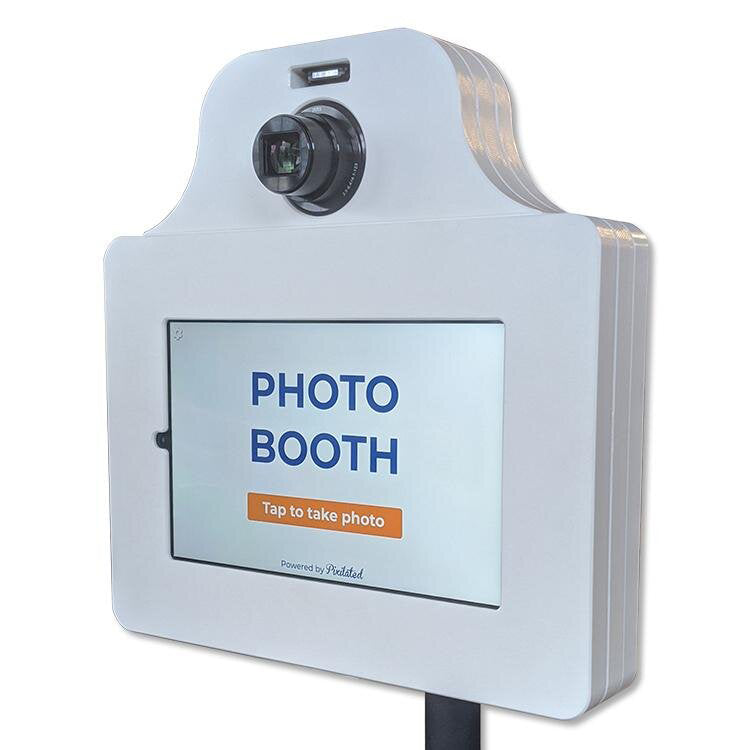
Pixilated Photo BoothThe photo booth rental business is experiencing explosive growth in 2026, driven by high demand at weddings, corporate events, and private celebrations. Industry data shows rising profitability as digital experiences become essential for memorable gatherings. This essential guide delivers a step-by-step roadmap for launching your photo booth rental business, covering everything from market trends and equipment choices to legal setup, marketing, daily operations, and future-proofing strategies. Prepare to unlock the full potential of this thriving industry with expert insights and actionable steps designed for your success.
Understanding the Photo Booth Rental Industry in 2026
The photo booth rental business is entering an exciting new era in 2026. Surging demand for memorable, interactive event experiences is fueling growth across the industry. Whether you are an aspiring entrepreneur or an established event professional, understanding current trends and your target market is essential for building a thriving photo booth rental business.
Evolving Market Trends and Consumer Demand
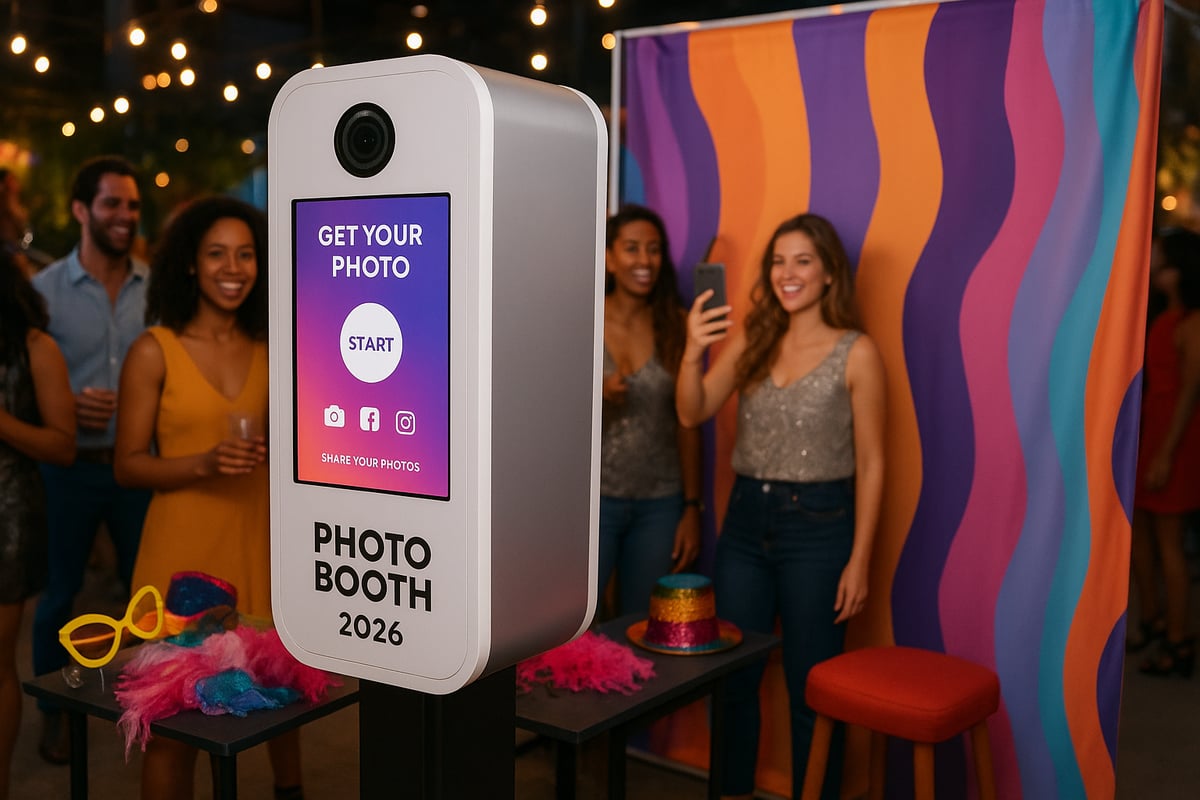
The photo booth rental business has experienced a remarkable resurgence since the pandemic, reflecting the renewed appetite for in-person celebrations. Events of all sizes, from weddings and corporate functions to brand activations and private parties, now expect immersive photo experiences as a standard feature.
A key trend shaping the photo booth rental business is the rapid adoption of digital and interactive technologies. Modern booths offer GIFs, 360-degree captures, video messaging, and instant digital delivery. Social media sharing is seamlessly integrated, allowing guests to post memories in real time, which enhances engagement and event visibility.
DIY and self-service photo booth rental business models are gaining traction for their affordability and convenience. Clients increasingly prefer setups that are easy to use, portable, and customizable. This shift opens opportunities for businesses that can deliver intuitive solutions with minimal onsite staffing.
Customization is another major driver. Clients seek branded overlays, themed backdrops, and personalized props to elevate their events. The demand for immersive, shareable experiences is pushing innovation in booth design and software features.
Industry data underscores the opportunity. The US event industry is projected to grow steadily through 2026, with average event spend on enhancements like photo booths rising accordingly. According to Photo Booth Market Size Forecast, the global photo booth market is expected to reach new heights, driven by technological advancements and expanding event budgets.
| Key Metric | 2026 Projection |
|---|---|
| US Event Industry Value | $95 billion+ |
| Average Event Spend on Enhancements | $2,000+ |
| Global Photo Booth Market Size | $800 million+ |
| CAGR (2022-2026) | 8%+ |
To succeed, a photo booth rental business must stay agile, embracing new tech and evolving with consumer expectations.
Identifying Your Target Market
Defining your target audience is crucial for any photo booth rental business. Start by segmenting potential clients: weddings, corporate events, schools, nonprofit fundraisers, and private celebrations each have unique needs and motivations.
Weddings often seek fun, shareable moments and elegant customization. Corporate clients value branded activations and data capture. Schools and nonprofits focus on engagement and inclusivity, while private parties prioritize entertainment and social sharing.
Understanding customer motivations helps differentiate your photo booth rental business. Guests want interactive, memorable experiences that are easy to share online. Meeting these expectations builds word-of-mouth and repeat bookings.
Analyzing local competition is essential. Research other photo booth rental business offerings in your area. Identify gaps, such as underserved event types or lack of advanced features. This analysis allows you to position your business with a unique value proposition.
Success often comes from targeting niche markets. For example, a photo booth rental business specializing in themed children’s parties or branded corporate activations can capture loyal clients and command premium rates. Real-world examples show that focusing on a specific audience can lead to rapid growth and strong brand recognition.
By understanding industry trends and clearly defining your target market, you lay the foundation for a resilient and profitable photo booth rental business.
Step 1: Research, Planning, and Business Model Selection
Starting a successful photo booth rental business begins long before your first event. Careful research and strategic planning are essential for building a foundation that lasts. By understanding your market, analyzing competitors, and choosing the right business model, you set the stage for growth and profitability.

Conducting Effective Market Research
Thorough market research gives you a clear picture of your local event landscape and the potential for your photo booth rental business. Start by identifying the types of events happening in your area, such as weddings, corporate gatherings, and community celebrations. Use online event calendars, social media groups, and venue websites to spot trends.
Next, research competitors. Analyze their services, pricing, and customer reviews. Tools like Google Maps, Yelp, and wedding directories can help you map out the competition. Look for gaps in the market, such as underserved event types or unique features you could offer.
Gather feedback from event planners and potential clients to understand their needs and pain points. Reviewing comprehensive Photo Booth Market Dynamics can provide valuable insights into industry growth drivers and help you forecast demand in your region.
Choosing a Profitable Business Model
Selecting the right business model is crucial for your photo booth rental business. You can choose between staffed or self-service (DIY) booths, each with unique benefits. Staffed booths offer hands-on support and premium experiences, while DIY models provide flexibility and lower overhead.
Rental pricing structures vary. Some businesses charge by the hour, others by the day or event. Consider your local market, the complexity of your setup, and your target clients when deciding.
Below is a comparison of popular business models:
| Model Type | Pros | Cons |
|---|---|---|
| Staffed | High-touch service, upsells | Higher labor costs |
| DIY/Self-Serve | Lower overhead, scalable | Less personal interaction |
| Franchise | Brand recognition, support | Franchise fees, less control |
Evaluate whether to purchase, lease, or build your equipment. Each option impacts your startup costs and scalability.
Creating a Robust Business Plan
A strong business plan is the backbone of your photo booth rental business. Define your mission and vision, clarifying what sets your company apart. Outline detailed startup costs, including equipment, marketing, and insurance. Project your revenue based on local event data and competitor rates.
Include a break-even analysis to determine how many rentals you need to cover your costs. Plan for scalability by setting short and long-term goals. Identify key performance indicators (KPIs) such as bookings per month, average revenue per event, and customer satisfaction scores.
Regularly update your business plan as you gather more data and experience. With clear goals and a structured approach, your photo booth rental business will be positioned for sustainable growth.
Step 2: Legal, Financial, and Administrative Setup
Setting up the legal, financial, and administrative foundation of your photo booth rental business is essential for long term success. Getting these basics right will help you avoid costly mistakes, protect your assets, and build credibility from day one.

Registering Your Business and Choosing a Structure
Start by selecting the best legal structure for your photo booth rental business. The main options are sole proprietorship, limited liability company (LLC), and corporation. Each has distinct benefits regarding liability protection, tax treatment, and administrative requirements.
- Sole Proprietorship: Simple and affordable, but does not separate personal and business assets.
- LLC: Offers liability protection and flexible tax options, making it a popular choice for new owners.
- Corporation: Suited for larger operations with multiple shareholders, offering the strongest legal protections.
Next, register your business name with your state and secure a matching website domain. This step not only protects your brand but also ensures consistency across all digital platforms.
You will also need to obtain any required licenses and permits. These may include general business licenses, sales tax permits, and, in some areas, special event or vendor permits. Check with your state and local agencies to confirm the requirements for a photo booth rental business.
Managing Finances and Insurance
Keeping your finances organized is crucial for a successful photo booth rental business. Open a dedicated business bank account to separate personal and business funds. This makes accounting, tax filing, and cash flow management much simpler.
Set up an accounting system to track income, expenses, and profits. Many owners use cloud based tools like QuickBooks or Wave for invoicing and bookkeeping. Staying on top of your records will help you monitor the health of your photo booth rental business and simplify tax time.
Understand your tax obligations early. Depending on your structure, you may need to file quarterly estimated taxes or collect sales tax on rentals. Consulting a tax professional familiar with the event services industry is a wise move.
Insurance is another key component. General liability insurance can protect against claims from event mishaps, while equipment insurance covers damage or theft of your booths. These policies are essential for safeguarding your photo booth rental business as it grows.
Pricing Strategy and Payment Processing
Developing a smart pricing model is vital for profitability and competitiveness in the photo booth rental business. Research local competitors, analyze their packages, and consider the value you offer. Pricing can be based on hourly, daily, or event rates, with options for add ons like custom backdrops or branded prints.
Offering tiered packages and seasonal promotions can attract a wider range of clients. Upselling services such as social media sharing or premium props boosts revenue and differentiates your photo booth rental business.
For a detailed look at typical costs and what clients expect, check out this Photo booth rental cost breakdown.
To streamline payments, set up online invoicing and payment gateways like Stripe, PayPal, or Square. Clear contracts and payment terms help ensure smooth transactions and protect your business interests.
Step 3: Sourcing Equipment and Building Your Photo Booth Fleet
Starting a photo booth rental business in 2026 means navigating a rapidly evolving landscape of technology and customer expectations. Your equipment choices will shape your brand, event versatility, and profit margins. Let us break down the process so you can build a fleet that stands out and scales with demand.
Selecting the Right Photo Booth Technology
Choosing the right technology for your photo booth rental business is critical. The industry now offers a variety of booth types, each designed for different event styles and client needs. Open-air booths are popular for their flexibility and easy integration into venues. Enclosed booths offer privacy and nostalgia, while mirror booths add a touch of interactive luxury.
Emerging options like 360° and GIF/video booths are in high demand for immersive experiences. When selecting equipment, prioritize camera quality, professional lighting, and user-friendly software. Integration with instant digital sharing and customizable templates is essential for today’s social media savvy guests.
Portability and durability impact your operational efficiency. Lightweight booths are easier to transport and set up, reducing labor costs. For a deeper dive into the latest technology and how it aligns with market growth, see Photo Booth Rental Market Insights. By aligning your fleet with current trends, you position your photo booth rental business for long-term success.
Purchasing vs. DIY vs. Leasing Equipment
When building your photo booth rental business, you need to decide whether to buy, build, or lease equipment. Each approach comes with distinct advantages and trade-offs. Purchasing new booths ensures cutting-edge features and manufacturer support, but requires higher upfront investment. Used equipment can lower costs, yet may lack modern capabilities or warranty coverage.
DIY solutions allow for customization and can save money, but require technical skill and time. Leasing provides flexibility and helps conserve cash flow, making it easier to scale as bookings increase. Evaluate your capital, projected event volume, and growth goals before committing.
Here is a simple comparison:
| Option | Pros | Cons |
|---|---|---|
| Purchase | Full ownership, latest tech | High upfront cost |
| DIY | Customizable, cost-saving | Time, skill required |
| Lease | Low upfront, scalable | Ongoing payments, no asset |
The best choice for your photo booth rental business depends on your unique resources and long-term vision.
Essential Accessories and Add-ons
Accessories and add-ons can elevate your photo booth rental business, making your offerings more attractive and profitable. Start with a selection of high-quality backdrops to suit various event themes. Props bring fun and encourage guest participation, while custom branding materials help clients personalize their experience.
Reliable printers and instant sharing solutions are must-haves for guest satisfaction. Invest in robust software subscriptions for editing, cloud storage, and data security. Keep a maintenance kit and spare parts on hand to minimize downtime during busy seasons.
Consider offering package upgrades, such as animated GIFs, green screens, or branded photo templates. These extras can boost your revenue and set your photo booth rental business apart in a crowded market.
Modern DIY Photo Booth Solutions: Pixilated
Pixilated’s DIY photo booth kits provide a modern, scalable solution for entrepreneurs entering the photo booth rental business. These kits feature nationwide shipping, simple setup, and affordable pricing, making them accessible for startups and small businesses.
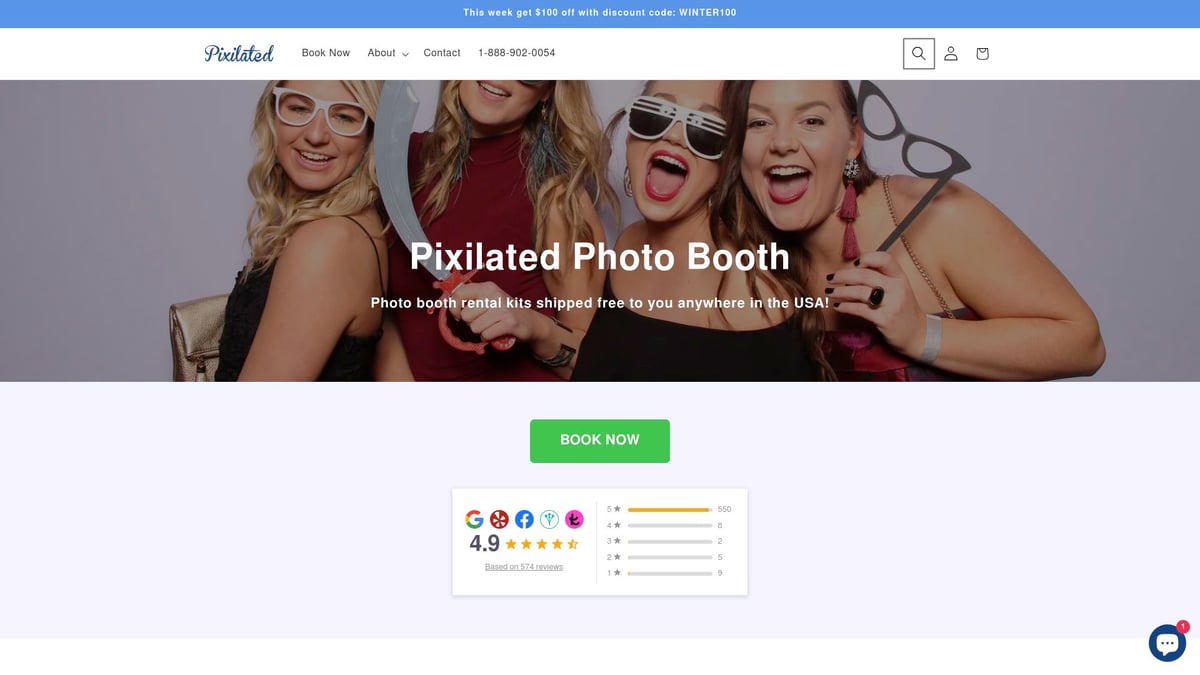
With customizable options and seamless digital delivery, Pixilated empowers you to offer memorable experiences without heavy investment or technical complexity. Many event planners and new business owners have leveraged Pixilated to expand their service range and streamline operations.
Choosing a partner like Pixilated can help your photo booth rental business overcome startup challenges, reduce risk, and quickly adapt to changing market demands.
Step 4: Crafting a Winning Brand and Marketing Strategy
Launching a successful photo booth rental business requires more than just quality equipment. Building a strong brand and a results-driven marketing strategy will set your business apart, attract ideal clients, and lay the foundation for sustainable growth. Let's explore the essential steps to create a standout presence in the competitive 2026 market.
Building a Memorable Brand Identity
The first step in establishing your photo booth rental business is creating a brand that resonates with your target audience. Select a unique business name that reflects your personality and service style. Design a modern logo and cohesive visual identity, using consistent colors and fonts across your website, props, and marketing materials.
Craft a compelling brand story that communicates your mission, values, and the experience you offer. Your value proposition should highlight what makes your photo booth rental business different, such as premium technology, exceptional customer service, or creative customization options. Consistency in branding across all customer touchpoints builds recognition and trust.
Developing an Effective Online Presence
A professional website is the digital storefront for your photo booth rental business. Ensure your site is visually appealing, easy to navigate, and mobile-friendly. Integrate booking functionality to streamline inquiries and reservations.
Optimize your website with search engine optimization (SEO) best practices to rank for relevant keywords like "photo booth rental business" in your region. Use high-quality images, clear service descriptions, and engaging calls to action. Leverage social media platforms such as Instagram, Facebook, TikTok, and Pinterest to showcase client testimonials, event galleries, and behind-the-scenes moments. Positive reviews and case studies build credibility and support future bookings.
Local and Digital Marketing Tactics
Effective marketing for your photo booth rental business combines both local outreach and digital strategies. Network with event planners, venues, and other vendors to generate referrals and establish trusted partnerships. Participate in local expos, sponsor community events, and run targeted ads through Google My Business.
Offer referral programs and special promotions to encourage word-of-mouth growth. Email marketing is a powerful tool for nurturing leads and securing repeat business. For inspiration on unique event offerings and boosting engagement, explore creative photo booth ideas for events to differentiate your services and attract new clients.
Leveraging Reviews and Word-of-Mouth
Satisfied clients are your best marketing asset in the photo booth rental business. Encourage customers to leave detailed reviews on platforms like Google, Yelp, WeddingWire, and The Knot. Provide a simple, friendly follow-up after each event to request feedback.
Use positive testimonials in your marketing materials and on your website to build trust with prospective clients. High ratings directly influence booking rates, as potential customers seek proven reliability and exceptional experiences. Consistent word-of-mouth referrals will drive ongoing growth and solidify your reputation in the market.
Step 5: Operations, Logistics, and Customer Experience
Running a successful photo booth rental business hinges on seamless operations, precise logistics, and delivering memorable customer experiences. Each phase, from booking to follow-up, requires attention to detail and proactive planning. In this section, we break down the core elements that ensure your photo booth rental business stands out in a competitive market.
Streamlining Booking and Event Management
Efficient booking and event management form the backbone of any thriving photo booth rental business. Start by implementing an online booking system that lets clients view availability, select packages, and receive instant confirmations. Integrate a digital calendar to manage multiple events, minimizing scheduling conflicts.
Clear communication is essential. Respond promptly to inquiries, provide detailed proposals, and confirm all details in writing. Develop standardized rental agreements that outline terms of service, payment schedules, and cancellation policies. A transparent process builds trust and sets expectations.
Consider using management software to automate reminders, track payments, and store client information securely. This approach not only reduces administrative workload but also enhances the professionalism of your photo booth rental business.
Delivery, Setup, and Onsite Support
The logistics of delivering and setting up booths can make or break client satisfaction in your photo booth rental business. Decide whether you will offer self-delivery, professional delivery, or nationwide shipping. For local events, timely delivery and efficient setup are crucial. Provide clients with comprehensive setup instructions for DIY models, or dispatch trained staff for full-service packages.
Prepare for the unexpected by maintaining backup equipment and contingency plans. Walk clients through the setup process with easy-to-follow guides or video tutorials. Offer remote support via phone or chat to troubleshoot any issues that arise during events.
Onsite support can elevate the guest experience. For premium packages or large-scale events, consider having an attendant present to assist guests, manage props, and ensure smooth operation. This personal touch can set your photo booth rental business apart from competitors.
Training and Staffing Considerations
Well-trained staff are essential to the smooth operation of your photo booth rental business. If you offer staffed booths, develop a comprehensive training program covering equipment setup, troubleshooting, customer service, and event etiquette. For self-service or DIY models, create detailed training materials—videos, checklists, and FAQs—that empower clients to operate the booth confidently.
Hiring part-time attendants for peak dates or premium events can help manage multiple bookings simultaneously. Use scheduling tools to assign staff efficiently, monitor performance, and track payroll. Regularly update your team on new features, safety protocols, and customer interaction best practices.
By investing in training and maintaining a flexible staffing model, your photo booth rental business will be equipped to handle a variety of events with professionalism and consistency.
Enhancing the Customer Experience
Exceptional customer experience is the cornerstone of a successful photo booth rental business. Start by offering customization options, such as themed backdrops, branded templates, and personalized props. Incorporate instant digital sharing and high-quality printouts to delight guests and encourage social sharing.
Streamline follow-up by collecting feedback post-event and requesting reviews on platforms like Google, Yelp, or wedding directories. Positive word-of-mouth can significantly boost bookings and credibility.
To further differentiate your photo booth rental business, explore niche event opportunities. For example, offering creative photo booth ideas for college events can help you tap into new markets and deliver unique experiences. Regularly update your offerings based on customer feedback and industry trends to stay ahead.
By prioritizing every touchpoint, from initial inquiry to post-event follow-up, your photo booth rental business will foster loyal clients and generate repeat business.
Step 6: Scaling, Innovating, and Future-Proofing Your Business
Scaling a photo booth rental business means thinking beyond the basics. As the market evolves, so must your offerings, operations, and long-term strategy. By embracing innovation and tracking performance, you can ensure your business thrives in a competitive landscape.
Expanding Your Service Offerings
To stand out in the photo booth rental business, diversify your services. Clients now expect more than simple photo strips.
Consider adding new booth types, such as 360° video booths, AR-enabled experiences, or interactive mirror booths. Offer branded activations for corporate clients and immersive setups for themed parties.
Form partnerships with venues and event planners to secure recurring bookings. By expanding your photo booth rental business portfolio, you capture a wider audience and create upselling opportunities.
- 360° and AR/VR booths
- Branded corporate activations
- Venue and planner collaborations
Continual innovation ensures your photo booth rental business remains relevant and in demand.
Automating and Optimizing Operations
Efficient operations are crucial as your photo booth rental business grows. Automate repetitive tasks with scheduling and invoicing software.
Implement a CRM system to manage leads, track customer interactions, and streamline follow-ups. Use inventory management tools to monitor your fleet and accessories.
Automation reduces errors, saves time, and lets you focus on growth strategies. Optimize delivery routes and logistics for timely booth setup and retrieval.
By integrating these tools, your photo booth rental business can handle increased bookings without sacrificing service quality.
Staying Ahead of Industry Trends
The photo booth rental business is dynamic, shaped by technology and consumer preferences. Regularly evaluate new features like instant social sharing, GIF creation, and touchless operation.
Monitor competitors and attend industry events for inspiration. Invest in ongoing staff training to keep your team updated on trends and best practices.
Reviewing Photo Booth Industry Statistics 2025 helps you anticipate shifts and adapt your photo booth rental business accordingly.
Staying informed is the key to long-term relevance and profitability.
Measuring Success and Planning for Growth
Track key performance indicators (KPIs) to measure your photo booth rental business’s success. Monitor bookings, revenue, customer satisfaction scores, and repeat business rates.
Regularly review your data to identify strengths and improvement areas. Adjust your marketing and operations based on insights gained.
Set clear goals for regional expansion or franchising to keep your photo booth rental business on a growth trajectory.
Consistent evaluation and strategic planning ensure your business is ready for future opportunities and challenges.
As you’ve seen throughout this guide, launching a photo booth rental business in 2026 is all about combining smart research, the right technology, and a customer-first mindset. Whether you’re just starting out or ready to expand, choosing a modern, easy-to-use solution can make all the difference for your clients and your bottom line. If you’re eager to take the next step and want a reliable way to deliver memorable experiences at every event, explore the possibilities with Pixilated’s professional DIY kits. You can get started today—simply Book Now to elevate your business.